
Russian Deputy Foreign Minister Blames West for Escalating Ukraine Conflict
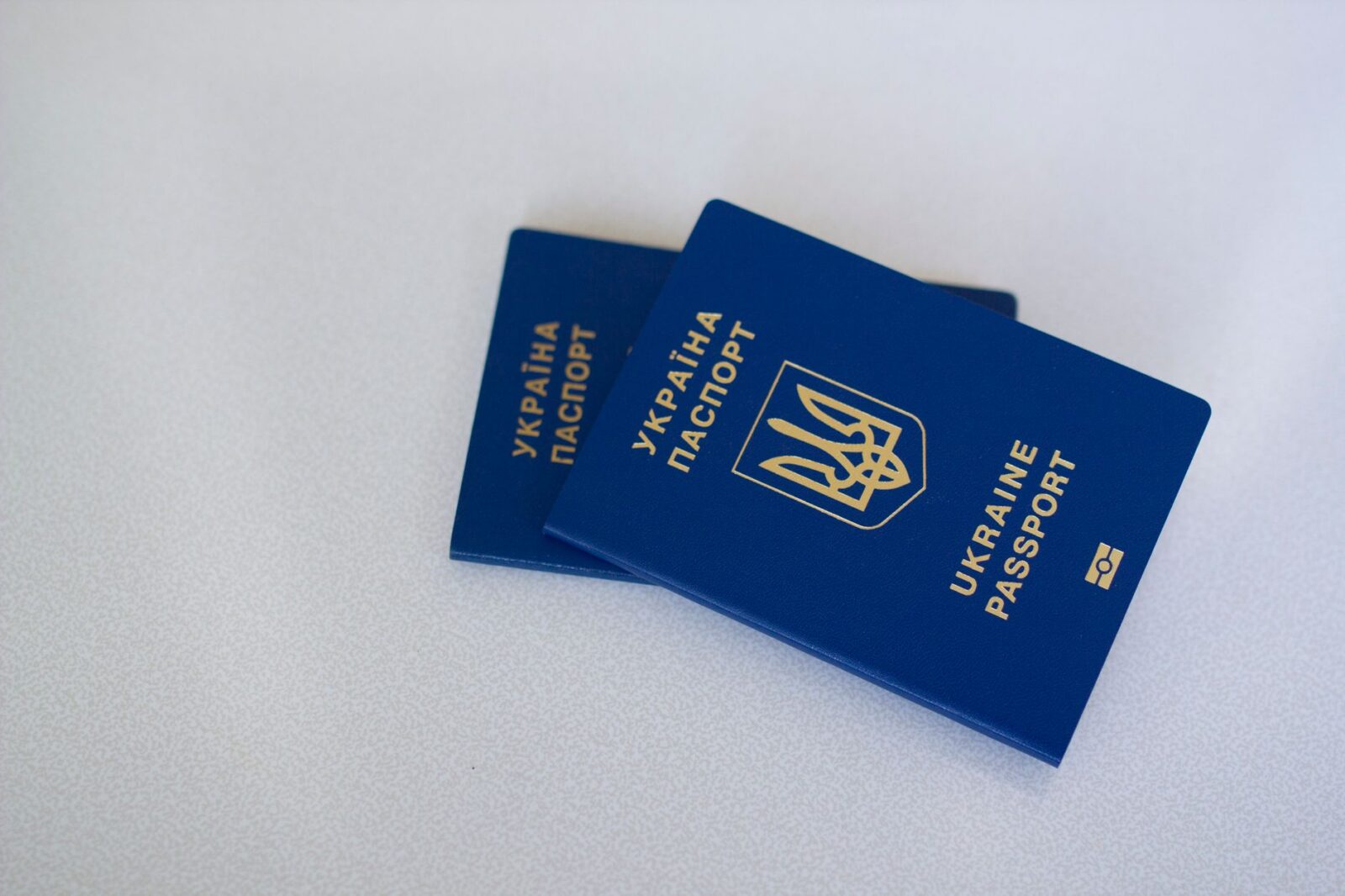
On June 11, 2026, Russian Deputy Foreign Minister Sergey Ryabkov publicly accused Western nations of prolonging the ongoing conflict in Ukraine. His remarks were made during a press briefing where he emphasized that the continued military and financial support from the West to Ukraine serves only to escalate tensions and hinder diplomatic resolutions. Ryabkov’s statements reflect a growing frustration within the Russian government regarding what it perceives as external interference in the region.
The conflict in Ukraine, which began in 2014, has seen a resurgence of hostilities, particularly in the eastern regions where Russian-backed separatists continue to engage with Ukrainian forces. Recently, the U.S. and European allies have intensified their military aid, including advanced weaponry and intelligence support. This assistance has been pivotal for Ukrainian forces in their ongoing efforts to reclaim territories and maintain sovereignty. Ryabkov’s comments underline Russia’s view that such support undermines peace initiatives and prolongs the suffering of civilians caught in the crossfire.
This situation has significant global implications, as it not only affects regional stability in Eastern Europe but also has broader repercussions for international relations. The United States and NATO’s commitment to Ukraine is seen as a stand against Russian aggression, but it also risks further entrenching the conflict. As diplomatic avenues appear increasingly strained, the potential for a wider confrontation rises, drawing in other global powers and affecting economic markets worldwide.
Looking ahead, the international community faces a critical crossroads. Should Western nations continue to support Ukraine militarily, the conflict may escalate further, leading to greater loss of life and potential military confrontations. Conversely, a shift towards diplomatic engagement could pave the way for negotiations, but this would require significant concessions from both sides. The path forward remains uncertain, but the stakes are undeniably high for all involved.
Source: Caliber.Az




Trump Proposes Mediation to Resolve Russia–Ukraine Conflict Amid Ongoing Tensions
Trump's renewed offer to mediate the Russia–Ukraine war highlights shifting geopolitical dynamics...
 1 Mins read

Calls for New European Security Framework Intensify Amidst Ongoing Ukraine Conflict
Global leaders emphasize the urgent need for a redefined European security structure...
1 Mins read
Trump Proposes Mediation to Resolve Ukraine Conflict in Call with Putin
Trump's offer to mediate the Ukraine war underscores a critical geopolitical moment...
1 Mins read


Peskov Acknowledges Shift from ‘Special Military Operation’ to ‘Real War’ in Ukraine
This declaration signals a critical escalation in the Russia-Ukraine conflict, impacting global...
1 Mins read