
Russia’s Strategic Retreat in Ukraine Signals Urgent Need for Peace Negotiations
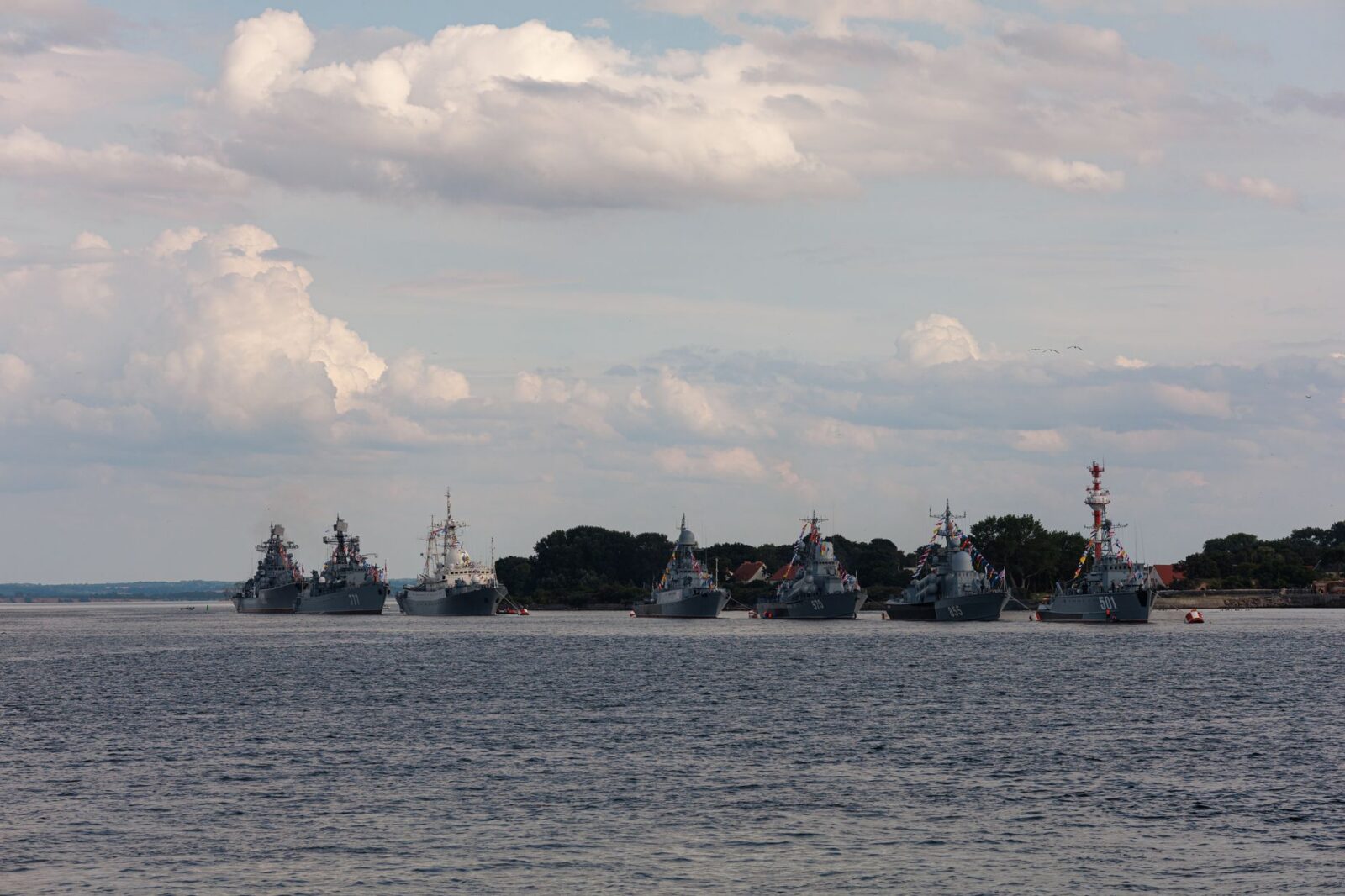
As of June 25, 2026, reports indicate that Russia is experiencing significant setbacks in its ongoing conflict with Ukraine, prompting a renewed urgency for peace negotiations. The war, which has already resulted in profound humanitarian crises and geopolitical instability, is now seeing Russia’s military effectiveness diminish, leading to calls from various international observers for decisive action.
Key stakeholders in this situation include the Ukrainian government, led by President Volodymyr Zelenskyy, who has maintained a resolute stance against Russian aggression. On the other side, Russian President Vladimir Putin appears increasingly isolated, with mounting internal pressures as losses in the conflict escalate. The dynamics are shifting; Russia is reportedly seeking to initiate peace talks, viewing this as a necessary step amidst its faltering military campaign.
This moment is critical for global leaders, as a potential peace settlement could redefine security frameworks in Europe. The implications are vast; a successful negotiation could not only halt the violence but also pave the way for reconstruction efforts in Ukraine while addressing the broader European security architecture that has been severely disrupted. Conversely, failing to act decisively while Russia is in a weakened state could embolden further aggression and prolong the conflict.
Looking ahead, the international community, particularly NATO and the European Union, must engage strategically. They should consider leveraging Russia’s current vulnerability to push for terms that ensure long-term stability and accountability. The next steps could involve diplomatic initiatives and possibly the formulation of a comprehensive peace plan that addresses both territorial and political aspects of the conflict, setting a precedent for conflict resolution in the region.
Source: fakti.bg









Trump Addresses Foreign Interference and Voting Security in Upcoming Speech
Trump's focus on election integrity raises critical questions about democratic processes and...
 1 Mins read

Grassley Interrogates Attorney General Nominee Blanche in Senate Hearing
The outcome of this hearing could reshape U.S. legal policy and governance...
1 Mins read

Blake Garrett’s Cause of Death Confirmed as Fentanyl Overdose
The untimely death of actor Blake Garrett underscores the ongoing opioid crisis...
1 Mins read



Kelli Potter Faces Potential Bank Account Seizure Over Significant Unpaid Debt
The financial troubles of public figures like Kelli Potter raise concerns about...
1 Mins read
