

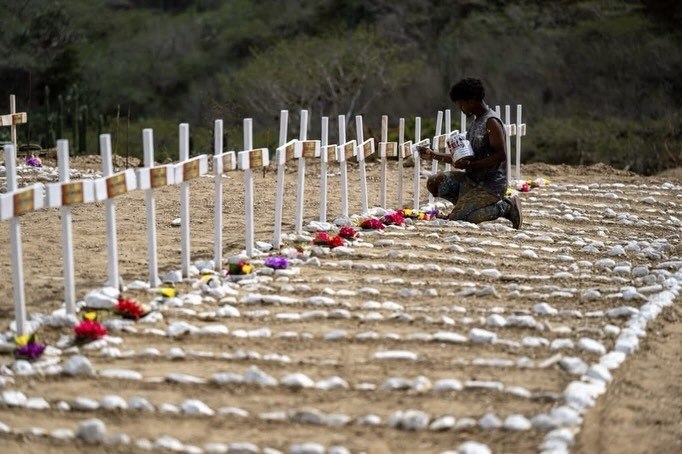
A Nation in Crisis
In the wake of the catastrophic earthquakes that struck northern Venezuela on June 24, 2026, the nation finds itself grappling with the overwhelming aftermath of a tragedy that has redefined its landscape. As the dust settles from the tremors, the silence from authorities regarding updated casualty figures has raised alarm among citizens, humanitarian organizations, and the international community.
The Tremors That Shook a Region
Measuring magnitudes of 7.2 and 7.5, these earthquakes, which hit with only 39 seconds apart in the Yaracuy region and later in La Guaira, have been deemed the worst natural disaster in Venezuela’s modern history. The states of Vargas, Caracas, Miranda, and Carabobo were particularly impacted, with Vargas bearing the brunt of the destruction. The unfolding crisis has triggered a wave of solidarity, as various organizations mobilize to support those affected, particularly individuals suffering from amputations due to the disaster.
Official Communications: A Dimming Light
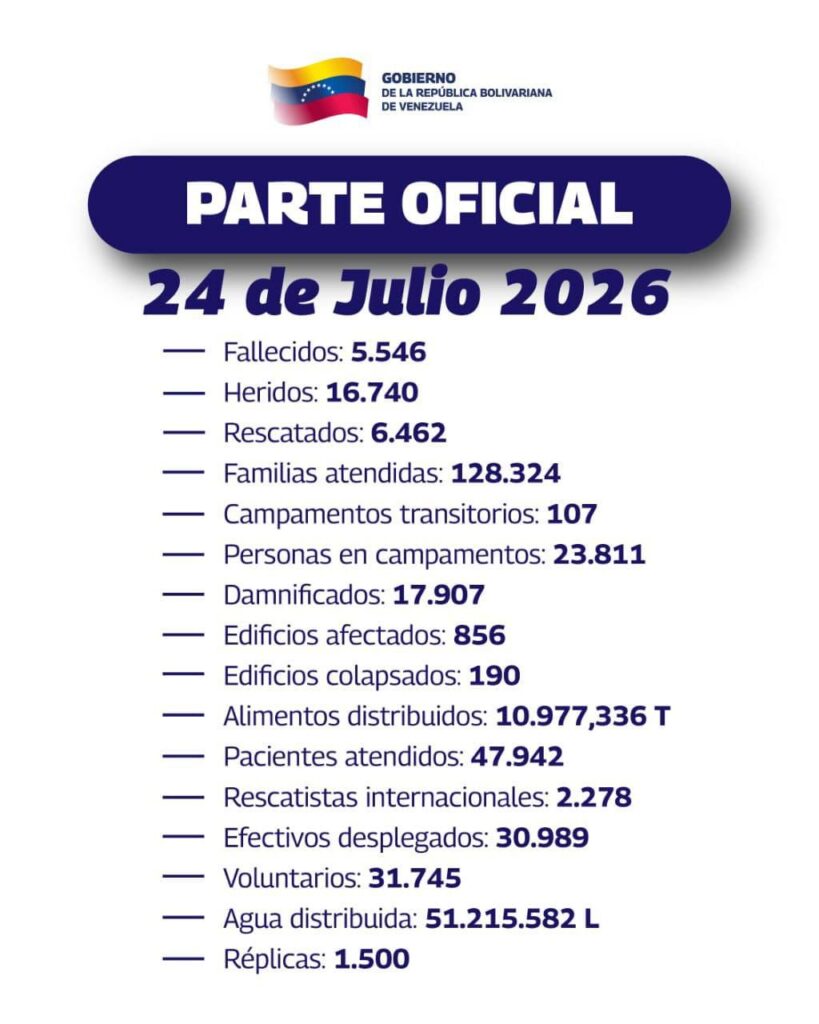
Initially, the government responded with a barrage of updates, revealing a rapid escalation in reported fatalities from a mere 134 to a staggering 5,546 by the end of June. However, as of late July, the flow of information has been alarmingly stilted. The last official report indicated approximately 16,740 injuries and over 17,907 individuals displaced and residing in temporary shelters. As rescue operations continue, the absence of updated figures has left many questioning the true extent of the devastation.
International Perspectives and Concerns
While the government’s figures paint a grim picture, independent organizations have voiced even graver concerns. The United Nations has estimated that over 50,000 individuals are unaccounted for, with fears that many remain trapped beneath the rubble. Projections from the United States Geological Survey (USGS) suggest that the final death toll could surpass 10,000, placing this disaster among the most lethal in Latin America in recent decades.
Civil initiatives, such as the “Desaparecidos Terremoto Venezuela” platform, have documented tens of thousands of reports, highlighting the desperate search for missing loved ones. With estimates indicating that as many as 6.7 million people have been affected, and damages reaching around $6.7 billion—or about 6% of Venezuela’s GDP—the scale of this disaster is staggering.
The Call for Transparency
The ongoing silence from official sources exacerbates the anxiety felt by families searching for their loved ones. The humanitarian community is calling for increased transparency to coordinate effective aid and reconstruction efforts. As volunteers and rescue teams tirelessly sift through debris, the uncertainty surrounding the official death toll and the number of missing persons continues to loom large over the affected populations.
Hope Amidst Despair
Despite the overwhelming challenges, stories of resilience are beginning to emerge. Local communities are banding together, forming alliances to support those who have lost everything. As they navigate the complexities of recovery, their courage and determination shine through, offering a glimmer of hope in an otherwise bleak situation.
Miami’s Connection
The tragedy in Venezuela resonates deeply within the Miami community, home to a significant Venezuelan diaspora. Many families in Miami are anxiously awaiting news of their loved ones back home, while others are actively engaging in relief efforts and fundraising initiatives. As the situation evolves, Miami stands as a beacon of hope and solidarity, bridging the gap between two worlds in crisis and recovery.
Editorial note: This article was created by A Bit Lavish Miami’s Magazine as an original editorial reinterpretation based on publicly available reporting. Original source: efectococuyo.com. Read the original article here: https://efectococuyo.com/la-humanidad/autoridades-no-actualizan-balance/.
Images are used for editorial reference with source credit. If an image requires correction or removal, please contact A Bit Lavish.








Unlocking Venezuelan Gold: A Path Forward in England
Exploring the complexities and implications of unlocking Venezuelan gold assets held in...
 3 Mins read
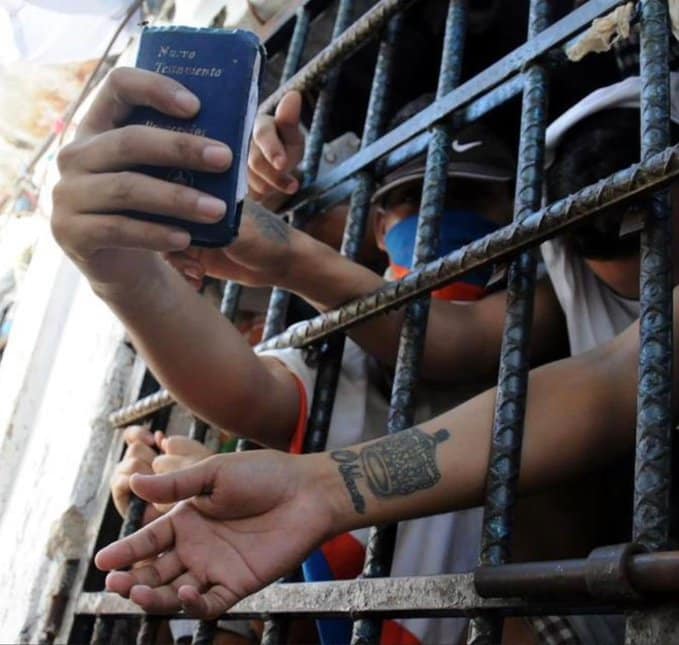
A Call for Compassion: Enhancing Humanitarian Cooperation in Venezuelan Prisons
Discover the ongoing humanitarian efforts to improve conditions in Venezuelan prisons, focusing...
2 Mins read
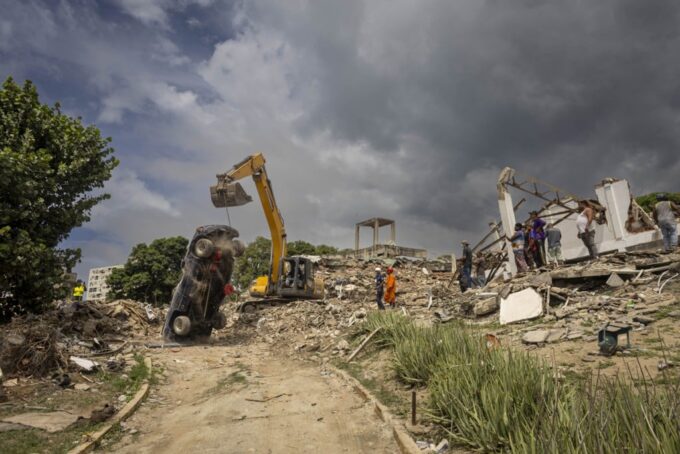
Transforming Tragedy: The Rebirth of La Guaira Through Innovation and Resilience
Discover how La Guaira is turning the devastation from recent earthquakes into...
2 Mins read


Desmitificando Rumores: La Verdad Tras la Supuesta Destitución de Jueces en Venezuela
Una exploración de la reciente ola de desinformación sobre la destitución de...
2 Mins read
