
Speaker Johnson and Trump Seek Finalization of FISA Deal Amidst National Security Concerns

In a significant political maneuver, Speaker of the House Mike Johnson convened with former President Donald Trump on June 9, 2026, to negotiate the final terms of a revised Foreign Intelligence Surveillance Act (FISA) deal. This development comes at a time when the balance between national security and civil liberties is under intense scrutiny, reflecting broader global concerns regarding privacy rights amidst increasing surveillance.
The discussions are particularly noteworthy given the heightened dialogue surrounding intelligence gathering practices in the wake of several high-profile cyber incidents that have exposed vulnerabilities in U.S. infrastructure. Johnson, representing a Republican majority in the House, recognizes the urgency of addressing these issues while maintaining party unity, especially as Trump continues to wield significant influence within the GOP.
This negotiation is crucial not only for domestic policy but also for international relations, as the FISA framework impacts how foreign entities perceive U.S. commitment to human rights and privacy standards. The outcome of these discussions could set a precedent for similar legislative frameworks globally, as countries grapple with the implications of surveillance in an increasingly interconnected world.
Looking ahead, the finalization of the FISA deal could lead to a contentious debate in Congress, with potential pushback from civil liberties advocates. If Johnson and Trump succeed in reaching an agreement, it may bolster the Republican agenda ahead of the upcoming elections. Conversely, failure to reach consensus could exacerbate divisions within the party and ignite protests from civil rights organizations, raising questions about the future of surveillance legislation in the United States and beyond.










Trump Reports $1.2 Billion Earnings from Crypto Ventures in 2025
Trump's substantial crypto earnings raise questions about the influence of digital currencies...
 1 Mins read
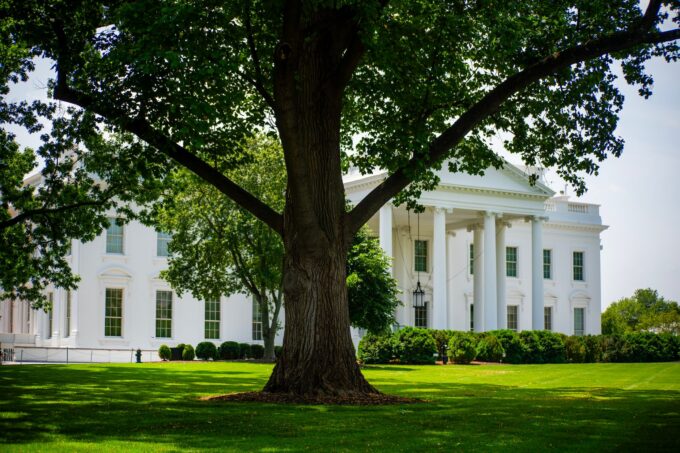
Trump White House Faces New Legal Challenges Amidst Ongoing Investigations
The latest developments in the Trump White House highlight significant legal challenges...
1 Mins read
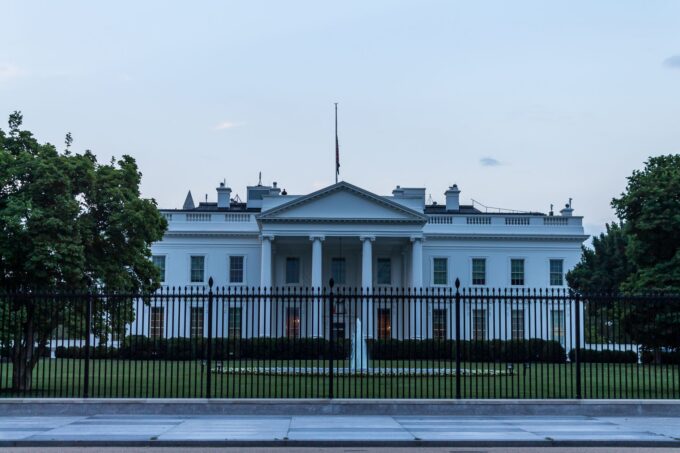
Former White House Lawyer Declares Trump & Sons’ Crypto Deal Illegal
The legality of a cryptocurrency deal involving Donald Trump and his sons...
1 Mins read



Trump Reports Billions in Income Following White House Return
Trump's recent income disclosure raises critical questions about transparency and influence in...
1 Mins read