
Supreme Court Considers Trump-Backed Appeal on Arizona Voting Laws
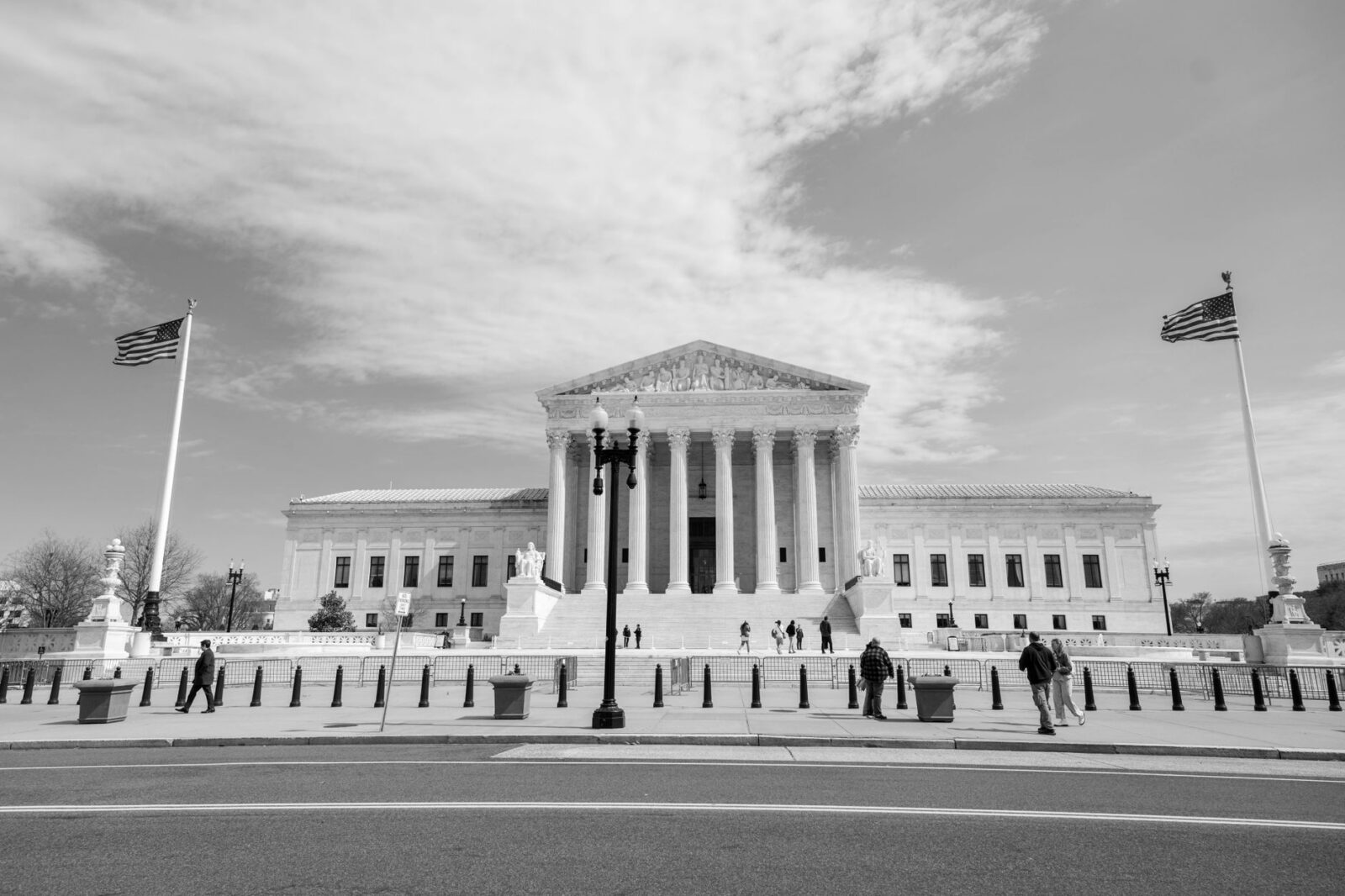
On June 29, 2026, the Supreme Court of the United States agreed to review a pivotal appeal concerning the enforcement of voting laws in Arizona, a case significantly backed by former President Donald Trump and prominent Republican figures. This appeal arises from a lower court’s ruling that deemed certain provisions of Arizona’s voting regulations unconstitutional, specifically those that critics argue disproportionately affect minority voters.
The case is particularly relevant as it encapsulates the ongoing national discourse surrounding voting rights and electoral integrity, which have been hotly contested issues in American politics. The implications extend far beyond Arizona, as the outcome could establish legal precedents that influence voting laws across the country. Trump, who remains a powerful figure within the Republican Party, is advocating for stricter voting regulations that his supporters argue will safeguard electoral fairness. However, opponents claim such measures risk disenfranchising vulnerable populations.
This Supreme Court hearing comes at a critical juncture in the political landscape, with the 2026 midterm elections approaching. The ruling could either validate stricter voting laws, emboldening similar legislative efforts in Republican-led states, or it could reinforce judicial safeguards intended to protect access to the ballot for all citizens. Given the Court’s current composition, observers are closely monitoring how the justices will navigate this contentious issue.
The decision is expected to be announced later this year, and it is likely to spark intense debate within both political and public spheres. Analysts predict that regardless of the ruling, the case will invigorate discussions on voting rights, possibly leading to further legislative actions or judicial challenges in various states. As such, the world watches closely, as the ramifications of this case could redefine the electoral landscape in the United States for years to come.
Source: The Washington Post









Zac Thornton Secures First Career Win as Mets Defeat Brewers 4-0
Zac Thornton's debut victory underscores a pivotal moment for the New York...
 1 Mins read

FBI Director Undertakes Sensitive Mission to Russia Amid Heightened Tensions
The FBI chief's visit underscores critical U.S.-Russia relations and global security challenges.
1 Mins read

Rock Star Cites ‘War Economy’ in Postponement of Tour Amid Political Climate
The postponement of a major rock tour highlights the intersection of culture...
1 Mins read


Allegations of Noncitizen Voter Registration Emerge in New Jersey
The integrity of electoral processes is under scrutiny as allegations of noncitizen...
1 Mins read
