
Supreme Court Decision Fortifies Trump’s Political Influence
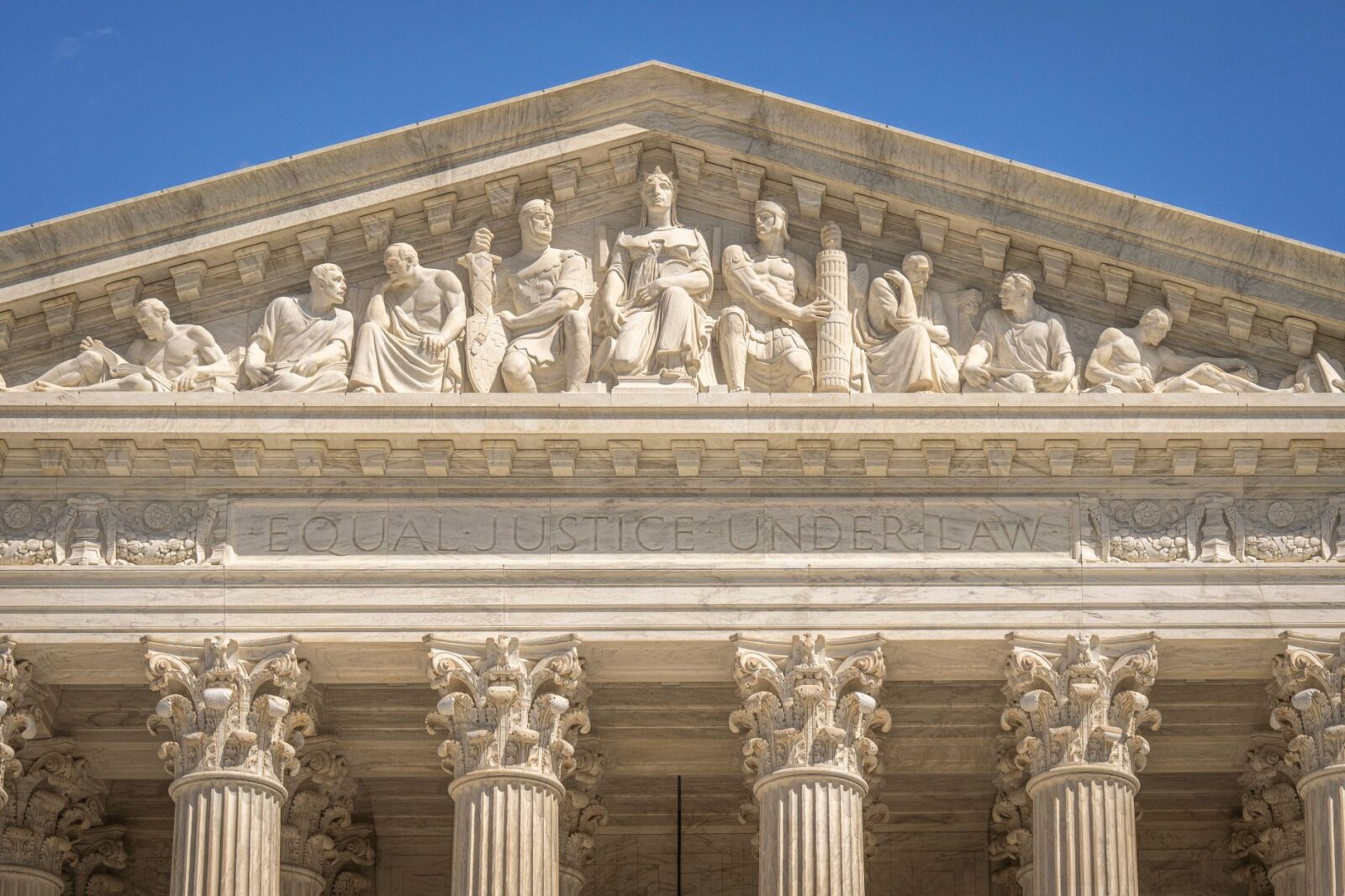
In a landmark decision on June 30, 2026, the U.S. Supreme Court delivered a ruling that further consolidates Donald Trump’s influence over critical levers of government power. The court’s decision, which came as a result of several contentious cases involving executive authority and state governance, underscores the ongoing impact of Trump’s political legacy, even as he remains a polarizing figure in American politics.
The ruling involved key interpretations of executive powers, particularly regarding the authority of state governors to implement policies aligned with federal directives. This has significant implications as it empowers governors who align with Trump’s agenda, potentially reshaping the political landscape in several states. Notably, this decision arrives at a time when Trump’s influence is being scrutinized in the broader context of American democracy and governance.
This ruling matters globally because it may signal a shift in how political power is exercised in the United States, which has historically served as a model for democratic governance worldwide. The implications extend beyond American borders, as international observers are keenly aware of how shifts in U.S. policy and governance can affect global stability, trade relationships, and democratic movements. Countries that are already grappling with their own governance challenges may look to this decision as an example of how executive power can be wielded.
Looking ahead, this consolidation of power could embolden Trump and his supporters, potentially influencing the upcoming elections and policy negotiations. The ruling may also provoke responses from opposition parties and civil rights organizations, who may challenge the decision in various forums. As the political landscape continues to evolve, the ramifications of this Supreme Court ruling will likely reverberate through both domestic and international spheres.
Source: Reuters










Russell Fry Positions Himself as Key Contender for Graham’s Senate Seat
Fry's candidacy could reshape the political landscape in South Carolina amid ongoing...
 1 Mins read
Republican Nominee Odds for 2028 Presidential Election Shift Significantly
The evolving dynamics of the 2028 Republican nomination process highlight the strategic...
1 Mins read
Mike Pence Advocates for U.S. Military Engagement in Ongoing Conflicts
Pence's call for military action underscores the shifting dynamics of U.S. foreign...
1 Mins read



CFL Player Jayden Dalke Dies at 30 Following Tragic Car Accident
The untimely death of Jayden Dalke underscores the urgent need for road...
1 Mins read
