
Supreme Court Directs Union and Assam to Respond on NRC I-Card Plea
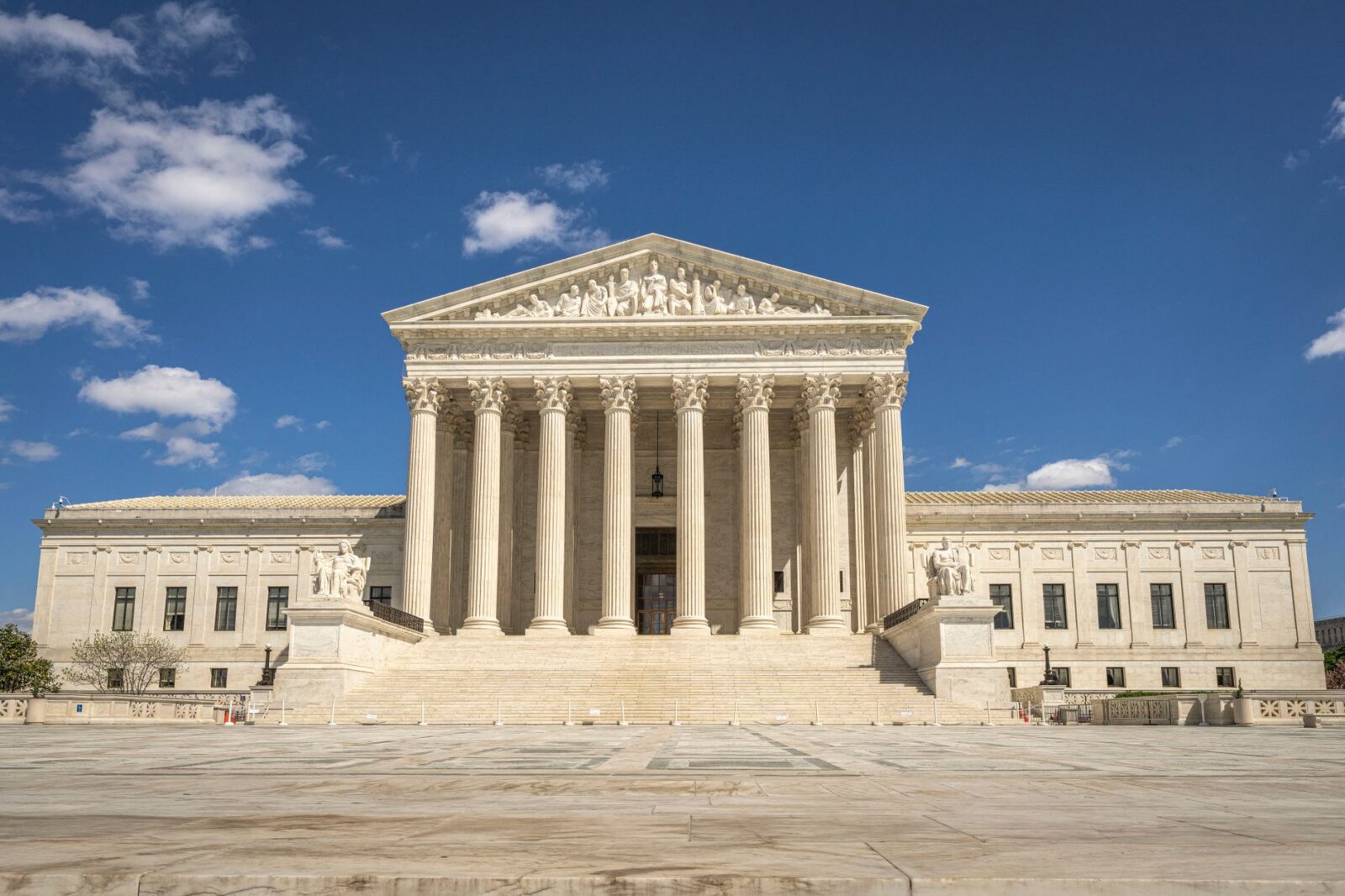
In a significant legal development, the Supreme Court of India has directed both the Union Government and the Assam State Government to respond to a petition seeking the issuance of identification cards for individuals included in the National Register of Citizens (NRC) list. This request was made on August 10, 2026, during a hearing that underscores the critical issues surrounding citizenship and identity in India.
The petition, which raises pressing questions about the rights of those who have been recognized in the NRC, emphasizes the need for formal identification to ensure access to various social, economic, and political rights. The NRC, originally aimed at identifying illegal immigrants in Assam, has been a contentious issue, affecting the lives of millions and sparking nationwide debates regarding citizenship and human rights.
This development is particularly timely as it sheds light on the broader implications of the NRC and its enforcement. With the Union Government’s stance on citizenship being closely scrutinized, the Court’s inquiry into this matter signals a potential shift in policy or at least an acknowledgment of the complexities involved. The responses from both governments are expected to clarify their positions on the legal status of NRC enrollees and the issuance of identification cards, which could have far-reaching consequences for affected individuals.
Looking ahead, the Supreme Court’s upcoming hearings could shape the future of citizenship rights in India. The legal discourse surrounding the NRC continues to evolve, and the Court’s decisions may influence legislative actions and public policy regarding citizenship verification processes across the country.
Source: Live Law










APM Calls for Release of FBI Report on Tinubu Amid 2027 Election Concerns
The demand for transparency regarding Tinubu's FBI report highlights significant electoral integrity...
 1 Mins read

FBI Manhunt Culminates in Arrest of Accused Double-Killer in New York City
The apprehension of a suspected double-killer underscores ongoing public safety concerns and...
1 Mins read

People Power Party Floor Leader Chung Jum-sik Criticizes Cabinet Reshuffle as ‘Declaration of Complete Refusal to Reform State Affairs’
Chung Jum-sik's remarks highlight growing discontent over South Korea's governance amid ongoing...
1 Mins read



Ireland’s Anti-Social Behaviour Orders: A Two-Decade Assessment
The effectiveness of Ireland's Anti-Social Behaviour Orders (Asbos) is under scrutiny as...
1 Mins read