
Supreme Court Rules Mail-in Ballots Received After Election Day Can Be Counted
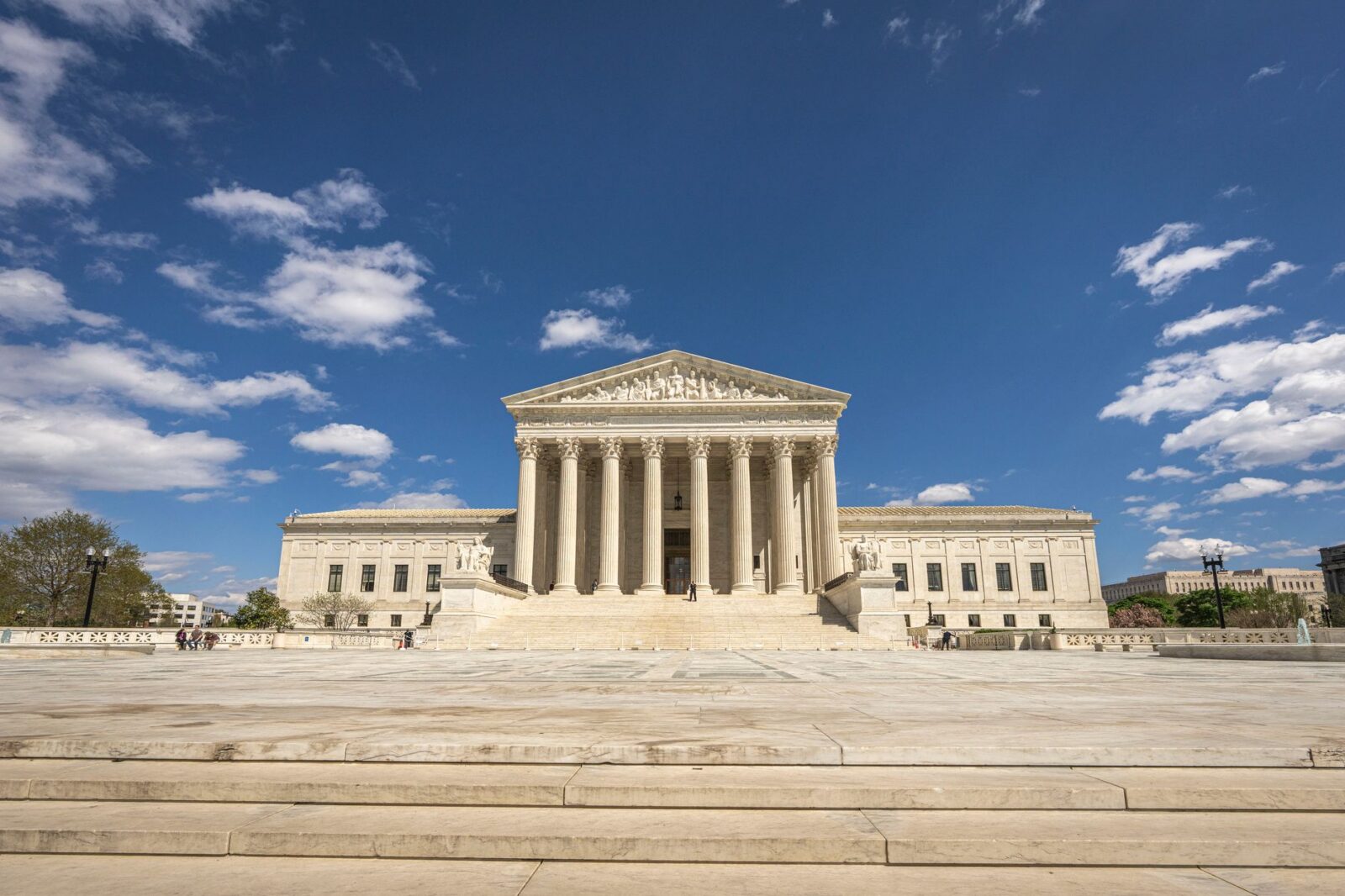
In a landmark decision on June 30, 2026, the United States Supreme Court ruled that mail-in ballots arriving after Election Day can be counted, a move that could significantly influence the upcoming elections and reshape voting rights discussions nationwide. This ruling comes amid ongoing debates over voting accessibility and the integrity of electoral processes in a country still grappling with the aftermath of the contentious 2020 presidential election.
The case was brought to the Supreme Court by a coalition of voter advocacy groups who argued that the ability to count late-arriving mail-in ballots is essential for ensuring that every eligible vote is recognized, particularly in a climate where many voters continue to rely on mail-in voting due to various factors, including health concerns and geographical barriers. The decision was reached with a narrow 5-4 vote, highlighting the deeply polarized views among the justices regarding election laws and their implications for democracy.
This ruling is significant not only for the United States but also for global electoral practices. Countries around the world are watching closely as they navigate their own voting reforms, particularly in the wake of the COVID-19 pandemic, which has accelerated the shift toward mail-in and absentee voting methods. The court’s decision could serve as a precedent, encouraging other nations to adopt more inclusive voting practices that prioritize voter participation over rigid timelines.
Looking ahead, the implications of this ruling are profound. With the next elections approaching, candidates and political parties must now strategize around the new dynamics of ballot counting. Additionally, this decision may provoke further legislative action at both state and federal levels, as lawmakers and advocacy groups mobilize to either reinforce or challenge the legal framework surrounding mail-in voting. As the world continues to grapple with issues of electoral integrity and access, the U.S. Supreme Court’s ruling could catalyze a broader movement toward reforming voting laws globally.
Source: The Washington Post










Zac Thornton Secures First Career Win as Mets Defeat Brewers 4-0
Zac Thornton's debut victory underscores a pivotal moment for the New York...
 1 Mins read

FBI Director Undertakes Sensitive Mission to Russia Amid Heightened Tensions
The FBI chief's visit underscores critical U.S.-Russia relations and global security challenges.
1 Mins read

Rock Star Cites ‘War Economy’ in Postponement of Tour Amid Political Climate
The postponement of a major rock tour highlights the intersection of culture...
1 Mins read


Allegations of Noncitizen Voter Registration Emerge in New Jersey
The integrity of electoral processes is under scrutiny as allegations of noncitizen...
1 Mins read
