
Supreme Court Upholds $5 Million Civil Verdict Against Trump in Carroll Case
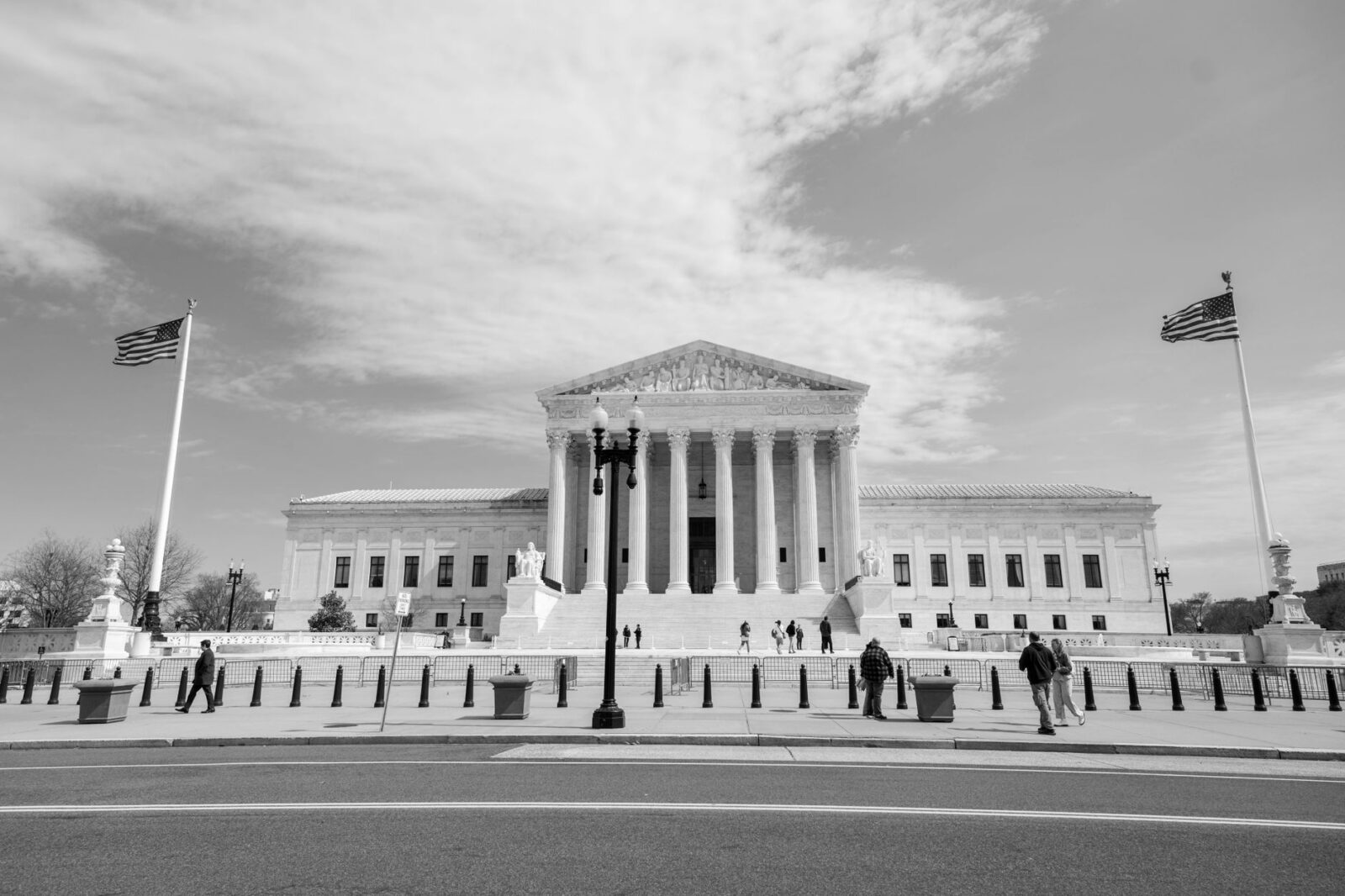
On June 29, 2026, the United States Supreme Court made a significant ruling by allowing a $5 million civil verdict against former President Donald Trump to stand in the defamation case brought by writer E. Jean Carroll. This verdict stems from Carroll’s allegations that Trump sexually assaulted her in the 1990s and subsequently defamed her when he denied the accusations in 2019. The court’s decision not to hear Trump’s appeal effectively upholds the lower court’s findings, marking a pivotal moment in the intersection of law, politics, and societal norms regarding sexual misconduct.
The case has been closely watched not only for its implications regarding Trump’s personal accountability but also for its broader impact on how allegations of sexual assault are treated within the public sphere. E. Jean Carroll, a prominent journalist and author, has become a symbol of the fight against the silencing of sexual assault survivors. The court’s ruling reinforces the notion that public figures can be held liable for their statements and actions, a precedent that may influence future cases involving other high-profile individuals.
This ruling is particularly significant in a global context, as it resonates with ongoing discussions about accountability, justice, and the treatment of sexual assault claims. As various countries grapple with their own legal frameworks concerning such allegations, the U.S. Supreme Court’s decision may serve as a reference point for similar legal battles elsewhere.
Looking ahead, the implications of this ruling could be profound. It may encourage more individuals to come forward with their own allegations, knowing that the legal system can and does provide a measure of justice. Furthermore, this case could galvanize movements advocating for changes in laws related to sexual assault and defamation, as well as prompt public figures to reconsider their responses to allegations of misconduct. The global community will be closely monitoring how this decision influences not just American politics but also the international landscape concerning gender equality and justice.
Source: The Washington Post










Zac Thornton Secures First Career Win as Mets Defeat Brewers 4-0
Zac Thornton's debut victory underscores a pivotal moment for the New York...
 1 Mins read

FBI Director Undertakes Sensitive Mission to Russia Amid Heightened Tensions
The FBI chief's visit underscores critical U.S.-Russia relations and global security challenges.
1 Mins read

Rock Star Cites ‘War Economy’ in Postponement of Tour Amid Political Climate
The postponement of a major rock tour highlights the intersection of culture...
1 Mins read


Allegations of Noncitizen Voter Registration Emerge in New Jersey
The integrity of electoral processes is under scrutiny as allegations of noncitizen...
1 Mins read
