
Terafab: A Visionary Leap or Musk’s Greatest Misstep?
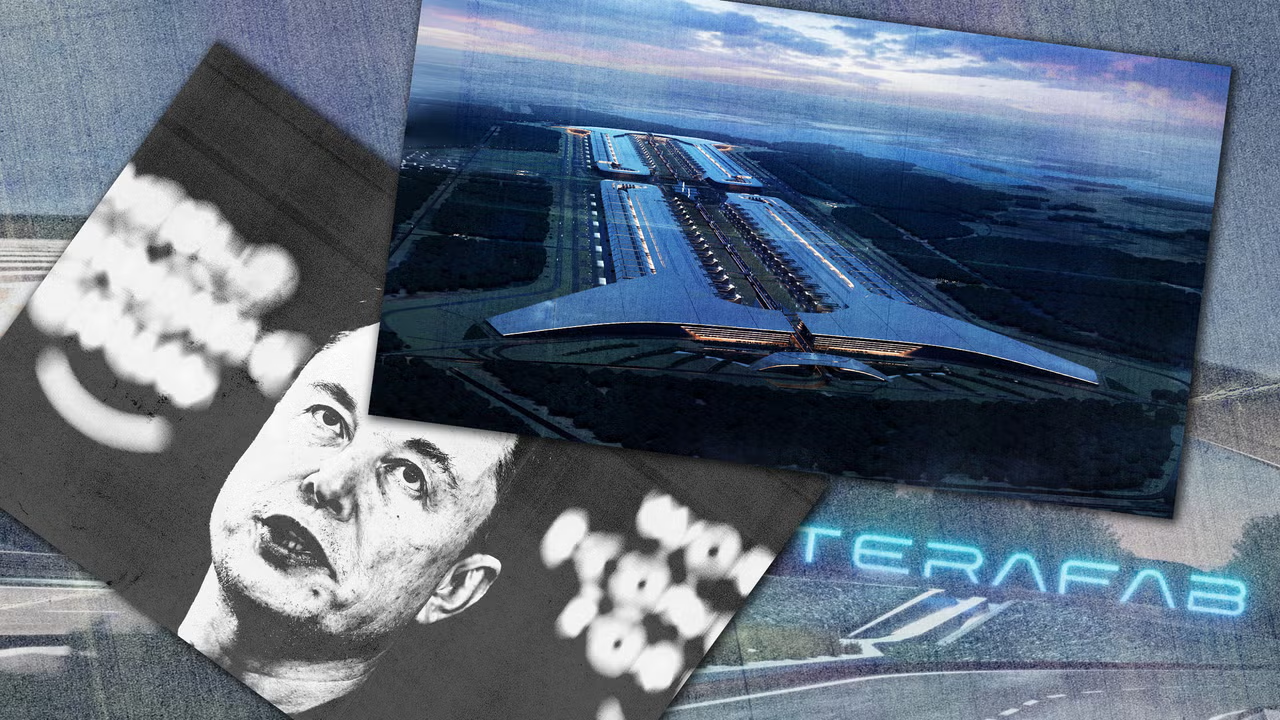
A Glimpse into the Future of Manufacturing
In a world increasingly reliant on technology, the race to innovate in semiconductor manufacturing has reached new heights. Enter Terafab, a proposed factory that has captured the imagination of many, promising to be the largest facility of its kind on Earth. Jointly developed by SpaceX and Tesla, this ambitious project is designed to meet the soaring demand for advanced chips that power everything from autonomous vehicles to cutting-edge robotics.
The Scale of Ambition
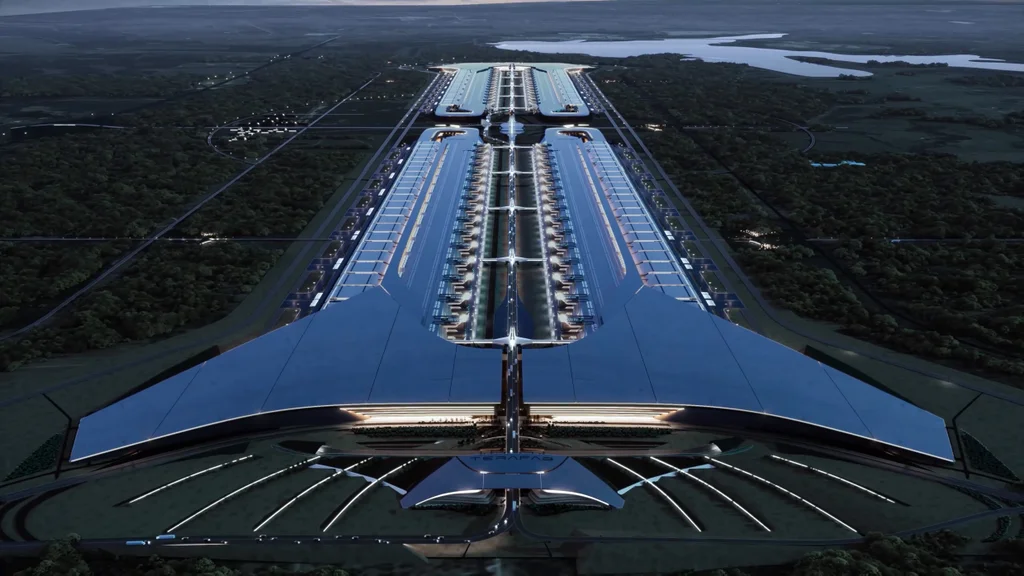
With a staggering planned footprint of 100 million square feet, Terafab stands as a testament to Elon Musk’s grand vision. To put this in perspective, the proposed site could accommodate six times the area of Manhattan. Musk himself has heralded it as the “largest and most valuable building on Earth,” underscoring the audacity that has become synonymous with his endeavors.
However, amid the excitement, a critical eye must assess what this vision entails. The factory is branded as a vertically integrated powerhouse, combining the processes of manufacturing, packaging, and testing under one expansive roof. The chips produced here are aimed at supporting a new era of computing, particularly in edge technologies, and will cater to both Tesla’s autonomous systems and SpaceX’s space data centers.
The Economic Landscape
While Terafab promises to create at least 3,000 jobs in the local communities of Grimes and Brazos counties, the project has not been without contention. Local residents have expressed concerns over the extensive tax abatements granted to SpaceX, totaling up to $100 million contingent on the facility’s commitments. Many argue that such financial incentives should translate into tangible benefits for the community and not just bolster the bottom line of a burgeoning tech empire.
Additionally, the factory’s energy strategy raises eyebrows. SpaceX plans to power Terafab using natural gas, despite the clean energy credentials of its partner, Tesla. The choice not to incorporate solar energy into the design has drawn criticism, especially from advocates of sustainable industry practices.
Financial Fluctuations and Market Implications
As the narrative surrounding Terafab unfolds, the project’s budget has morphed significantly—from an initial estimate of $25 billion to a staggering potential total of $119 billion. Such volatility in financial projections raises questions about the feasibility of Musk’s plans. Investors and stakeholders are left to wonder if this project represents a groundbreaking leap forward or merely another grand announcement destined to shift over time.
Innovation at the Intersection of Vision and Reality
Terafab serves as a microcosm of Musk’s broader ambitions, which often blur the lines between visionary innovation and speculative fantasy. The comparisons to massive structures like Apple Park and even the Pentagon highlight Musk’s penchant for hyperbole, but they also reflect a broader trend in the tech industry towards monumental projects that promise to reshape our future.
Yet, as the excitement builds, it is essential to remember that the distinction between vision and reality is often fraught with challenges. History has shown that large-scale projects can face unforeseen obstacles, from regulatory hurdles to technological limitations. As experts in various fields have pointed out, the ambitious nature of Terafab’s plans might overlook some fundamental principles of engineering and economics.
The Miami Connection
For Miami, a city at the forefront of technology and innovation, the implications of projects like Terafab are particularly resonant. As we continue to cultivate a vibrant tech ecosystem, the balance between ambitious ventures and sustainable practices becomes increasingly crucial. Miami’s burgeoning role as a tech hub could benefit from observing the trajectory of mega-projects like Terafab, learning from both their aspirations and pitfalls.
As Terafab continues to evolve from concept to reality, it embodies the spirit of innovation that drives industries forward. It challenges us to consider not just the potential of technology, but also the responsibilities that come with it. Whether Terafab becomes a beacon of progress or a cautionary tale remains to be seen, but one thing is clear: the conversation surrounding this ambitious factory will only grow more intricate as we move into the future.
Editorial note: This article was created by A Bit Lavish Miami’s Magazine as an original editorial reinterpretation based on publicly available reporting. Original source: fastcompany.com. Read the original article here: https://www.fastcompany.com/91587172/terafab-largest-factory-in-the-word-musk.
Images are used for editorial reference with source credit. If an image requires correction or removal, please contact A Bit Lavish.









Positive US-China Talks Boost Stock Market Ahead of Trump-Xi Meeting
Successful discussions between US and Chinese officials signal potential economic stabilization, impacting...
 2 Mins read
Bessent’s Meeting with China Vice Premier He Lifeng Signals Potential Shift in US-China Relations Ahead of Trump-Xi Summit
The recent meeting between Bessent and China’s Vice Premier He Lifeng is...
2 Mins read

Navigating the Refurbished Tech Landscape: A Smart Buy for Savvy Professionals
Explore the nuances of purchasing refurbished technology and discover which devices offer...
2 Mins read


SoftBank Seeks Over $11 Billion in Junk Bonds for OpenAI Investment
SoftBank's ambitious move to raise over $11 billion in junk bonds signals...
2 Mins read
