
The Aftermath of Dual Earthquakes: A Challenge for Vargas’ Labor Market
The Dual Earthquake: A Catalyst for Economic Instability
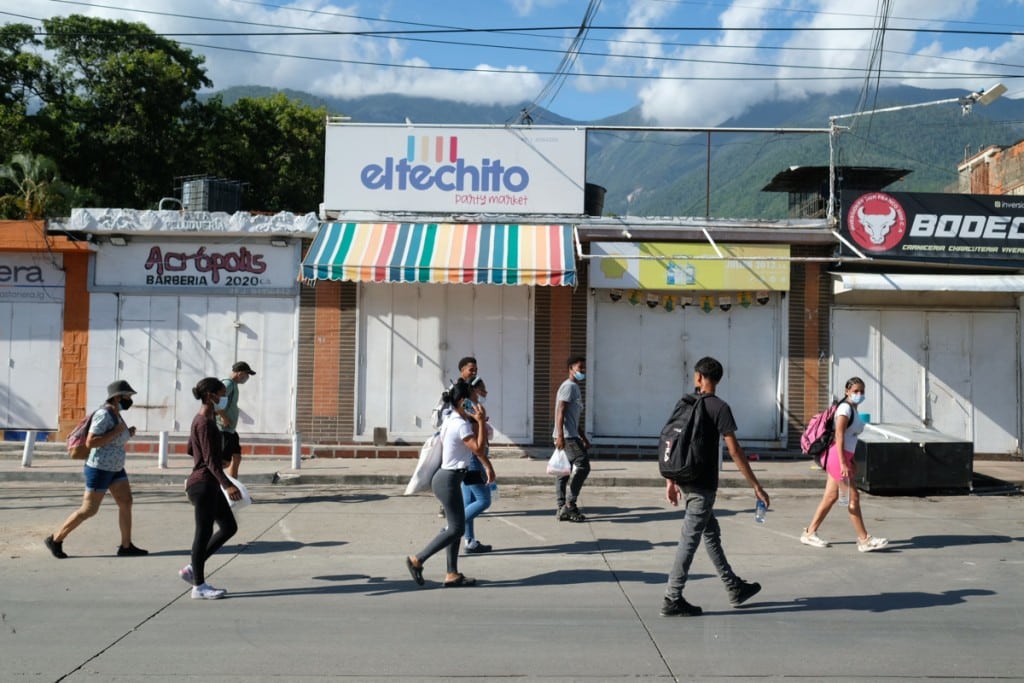
On June 24, a seismic event of significant magnitude shook the coastal state of Vargas, leaving a profound impact on its economic landscape. The tremors disrupted the very fabric of local commerce, tourism, and production activities, particularly affecting the parishes of Caraballeda, Macuto, Catia La Mar, and Urimare. With over 215,000 residents directly influenced, the consequences of this disaster extend far beyond the physical damage to infrastructure.
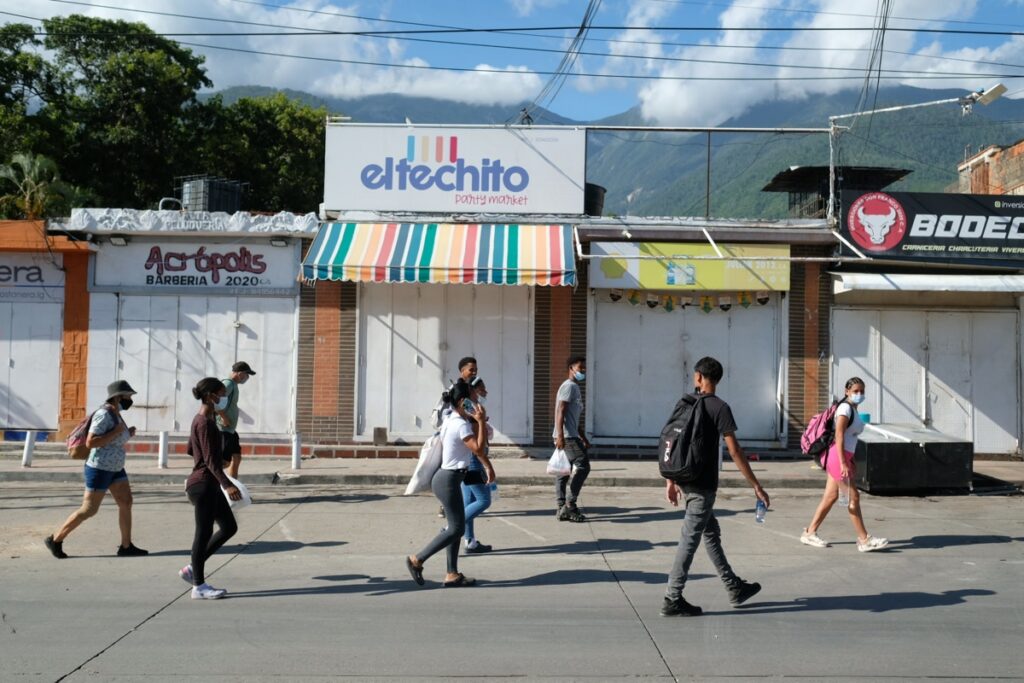
The aftermath has revealed a staggering 40% reduction in commercial activity across the affected parishes, sparking fears for the stability of around 30,000 jobs. The president of the local Chamber of Commerce, Rusvel Gutiérrez, highlighted that the repercussions are not limited to visible storefronts; many service-oriented businesses, including medical offices and legal practices, have also faced existential threats due to structural damage.
Challenges in the Path to Recovery
As the local business community rallies to recover from this catastrophe, the call for governmental support becomes increasingly urgent. Gutiérrez noted that the request for tax exemptions—spanning national, regional, and municipal levels—has yet to receive a response from authorities. This delay in communication hampers the ability of businesses to stabilize and begin their recovery processes.
The Toll on Tourism and Services
The tourism sector, a vital component of Vargas’ economy, has also suffered extensively. According to Rogelio Díaz, president of the local Tourism Chamber, the damages extend beyond the physical destruction caused by the earthquakes. Vandalism in the wake of the disaster has further exacerbated the losses, with many establishments reporting that looting was as damaging as the seismic shocks themselves.
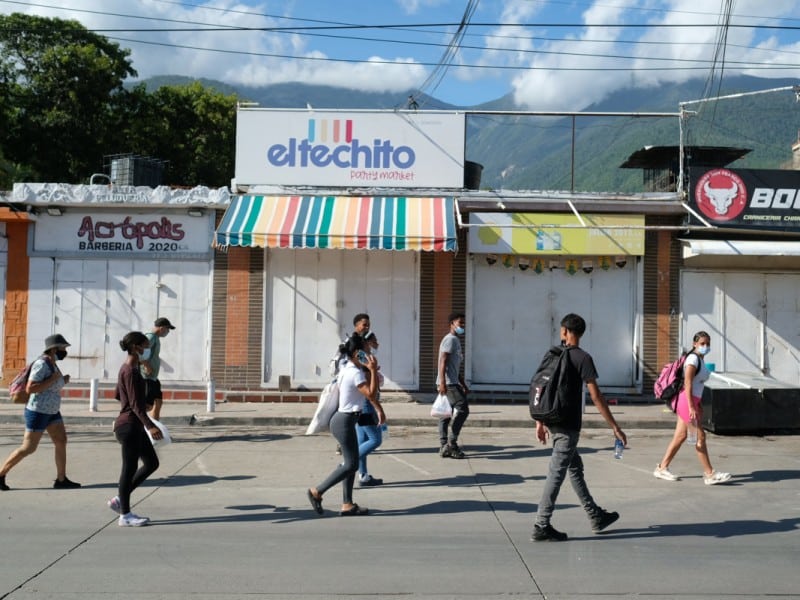
This turmoil has led to a significant workforce reduction, with many businesses unable to operate due to a lack of personnel. The displacement of families has left numerous establishments short-staffed, unable to resume normal operations or serve their clientele effectively.
Beach Workers in Crisis
The coastal strip, a popular destination for both locals and tourists, has been particularly hard-hit. The Federation of Beach Workers in Vargas reported widespread destruction of essential amenities, including restrooms and access points, across popular beaches like Playa Verde and Camurí Chico. Celsa Malvavé, the federation’s president, emphasized the dire situation of nearly 5,000 independent workers who rely on these venues for their livelihoods.
The federation’s proposal to reactivate less-damaged beaches is a critical step toward alleviating the economic strain on these workers. Malvavé argued that without immediate action to reopen these spaces, the community faces a prolonged period of unemployment and economic hardship.
Looking Ahead: The Need for Support and Action
As the dust begins to settle, the focus shifts to the future of Vargas and its people. The need for coordinated recovery efforts, including temporary employment solutions and infrastructure support, is evident. Community leaders are urging local and national government officials to prioritize the region’s recovery to prevent a deeper economic crisis.
With the challenges ahead, the resilience of Vargas’ citizens remains paramount. The call for solidarity and action reflects the spirit of a community determined to rebuild and foster a sustainable future amidst adversity.
Editorial note: This article was created by A Bit Lavish Miami’s Magazine as an original editorial reinterpretation based on publicly available reporting. Original source: efectococuyo.com. Read the original article here: https://efectococuyo.com/economia/doble-terremoto-pone-en-jaque-30-000-plazas-de-trabajo-en-vargas/.
Images are used for editorial reference with source credit. If an image requires correction or removal, please contact A Bit Lavish.






Empowering Voices: Women as Architects of Change in Venezuela
Discover how women in Venezuela are shaping the transition towards democracy and...
 3 Mins read
Navigating Vulnerability: The Return of La Guaira’s Universities Post-Earthquake
Explore the challenges faced by La Guaira's universities as they recover from...
3 Mins read
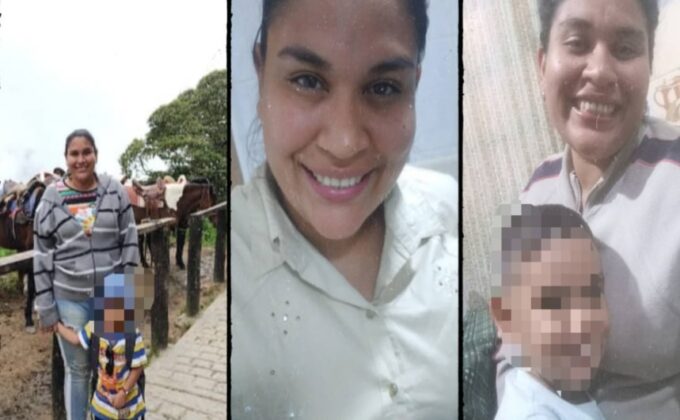
The Unyielding Spirit of Brenda Velázquez: A Mother’s Fight Amidst Political Turmoil
Discover the harrowing story of Brenda Velázquez, a political prisoner in Venezuela,...
2 Mins read


La Política de la Obediencia: Un Análisis del Futuro Venezolano
Exploramos cómo la renuncia a la política en Venezuela ha llevado a...
2 Mins read
