
The Digital Revolution: BMW’s Bold Leap into a Buttonless Future
Embracing the Future of Driving
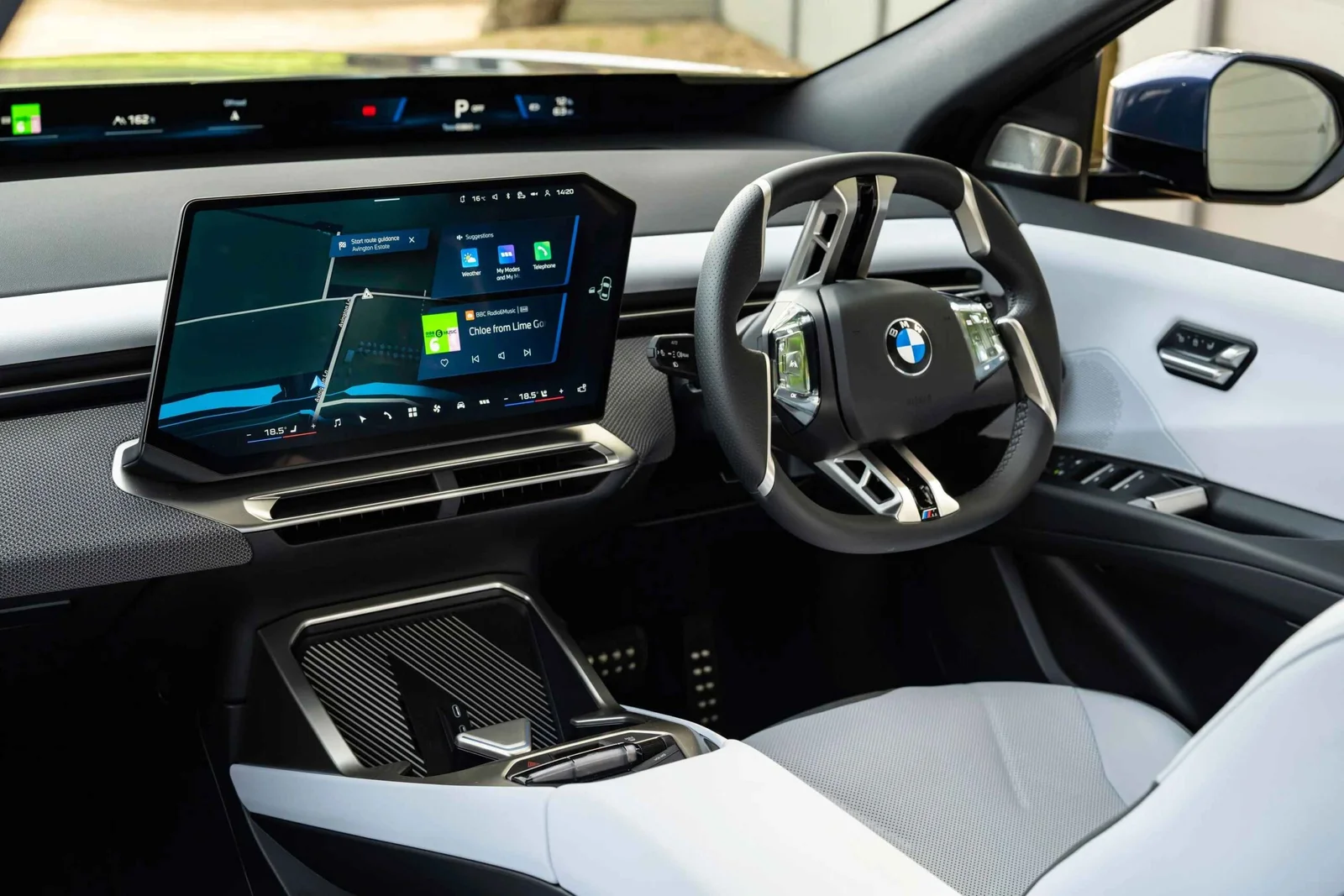
In a world where technology is woven into the fabric of daily life, BMW is embarking on a transformative journey that could redefine how we experience driving. The iconic German automaker, known for its blend of performance and luxury, is making a significant pivot away from traditional physical controls—buttons and knobs—in favor of sleek touchscreens and sophisticated voice-command systems. This strategic decision is not merely a reflection of changing times but a calculated move to engage a younger demographic that thrives on digital interaction.
A Shift in Consumer Engagement
With the automotive landscape evolving rapidly, BMW’s leadership recognizes that the future of car ownership is not solely about the vehicle’s mechanical prowess or aesthetic appeal. Vikram Pawah, the CEO of BMW Group Australia, articulates this vision succinctly: modern vehicles must resonate with the lifestyle and preferences of younger buyers. By focusing on intuitive technology, BMW aims to create an environment that feels as familiar as a personal device, tapping into a generation that values connectivity and convenience.
Design and Engineering: A Harmonious Blend
The shift towards a digital-centric cockpit is not simply a matter of aesthetics; it represents a significant engineering challenge. BMW’s design language has always emphasized a driver-focused experience, marrying form and function seamlessly. The transition to touchscreen interfaces allows for a more streamlined dashboard, enhancing both the visual appeal and the overall user experience.
By utilizing advanced materials and cutting-edge technology, BMW is crafting interiors that are not only visually striking but also ergonomically sound. The elimination of physical buttons reduces clutter, allowing for a more spacious feel within the cabin. This minimalist approach aligns perfectly with contemporary design trends, making the vehicle’s interior as much a part of the luxury experience as its performance on the road.
Market Relevance: Standing Out in a Competitive Landscape
As competition intensifies with brands like Audi and Mercedes-Benz reconsidering the role of physical controls, BMW’s bold approach positions it uniquely within the market. The decision to embrace touch-driven interfaces may seem risky, but it reflects a deep understanding of consumer behavior and preferences. Younger buyers are not only more tech-savvy but also increasingly expect seamless integration of digital experiences in all facets of life, including their vehicles.
This strategic pivot could also enhance BMW’s appeal in urban environments like Miami, where technology plays a crucial role in the lifestyle of its residents. The ability to control various functions of the car through voice commands or touch gestures resonates well with a city that thrives on innovation and modernity.
Driving Emotion: Beyond the Mechanics
At the heart of BMW’s ethos lies the principle that driving should evoke emotion. This shift towards digital interfaces is not merely about keeping pace with technology; it is about enhancing the overall driving experience. Imagine navigating the bustling streets of Miami with intuitive controls that respond to your every command, allowing you to focus on the thrill of the drive rather than fumbling with buttons.
Moreover, the visceral connection between driver and car is being reimagined in a digital context. The integration of artificial intelligence and machine learning means that vehicles can adapt to individual preferences, creating a personalized driving experience that feels unique to each owner. This emotional resonance is crucial for those who view their cars not just as a mode of transportation, but as an extension of their identity.
Miami’s Lifestyle Context: Cars as a Canvas
In a city celebrated for its vibrant culture and dynamic lifestyle, the way one drives is as much about personal expression as it is about performance. As BMW shifts towards a more digital cockpit, it aligns perfectly with Miami’s ethos—where style meets substance, and innovation drives the future. The allure of a BMW, with its sleek lines and cutting-edge technology, mirrors the aesthetics of this bustling metropolis.
For Miamians, owning a BMW transcends mere transportation; it is a statement of sophistication and a reflection of a lifestyle steeped in luxury. The new focus on digital interaction could further enhance this narrative, allowing drivers to showcase their affinity for technology and design while navigating the city’s sun-soaked streets.
As BMW forges ahead into this new era, the automotive world watches with bated breath. Will this leap into a buttonless future resonate with younger buyers? Only time will tell, but one thing is certain: BMW is not just reimagining the car; it is redefining the very essence of what it means to drive.
Editorial note: This article was created by A Bit Lavish Miami’s Magazine as an original editorial reinterpretation based on publicly available reporting. Original source: thesupercarblog.com. Read the original article here: https://www.thesupercarblog.com/bmw-is-moving-away-from-buttons-knobs-to-attract-younger-buyers/.
Images are used for editorial reference with source credit. If an image requires correction or removal, please contact A Bit Lavish.




Stellantis CEO Addresses Quality Issues Amid Strategic Shift
Stellantis CEO highlights rapid improvements in quality control, signaling a pivotal moment...
 2 Mins read
Navigating the Terrain: The Toyota Land Cruiser’s Legacy and Recent Challenges
Explore the enduring legacy of the Toyota Land Cruiser, its engineering excellence,...
2 Mins read
The BMW 5 Series: A Luxurious Blend of Performance and Precision
Explore the allure of the BMW 5 Series, a high-performance sedan that...
2 Mins read
Aston Martin Valhalla: The Epitome of Hybrid Performance Meets Elegance
Explore the Aston Martin Valhalla, a mid-engined hybrid supercar that combines breathtaking...
2 Mins read