

A Journey into Uncertainty
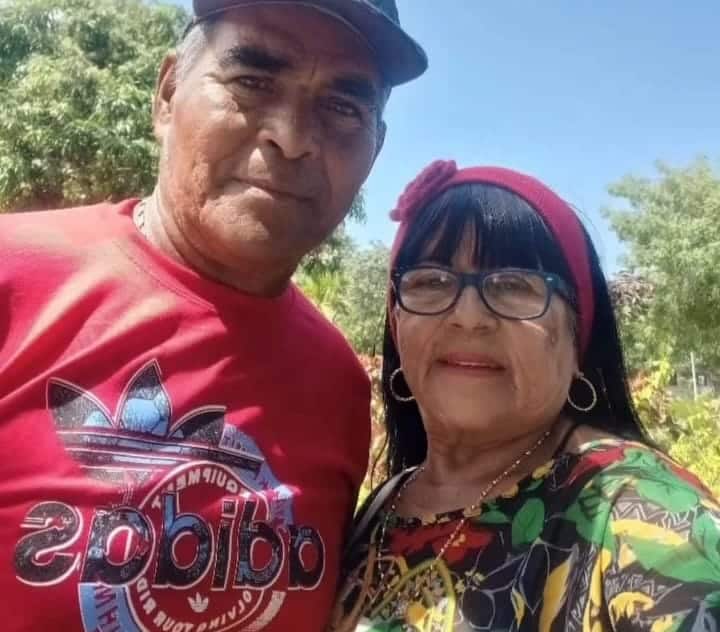
In the wake of devastating earthquakes that struck Venezuela, the case of Cristina Ramos has become emblematic of the chaos and uncertainty that many families are currently enduring. For over a month, her family has scoured more than 45 shelters and nearly every hospital in Caracas and La Guaira, desperately seeking news of her whereabouts.
A Moment of Hope Turned to Despair
Ramos, a spirited 71-year-old, was rescued from the debris of her collapsed building in Playa Grande on June 24. Initial reports indicated she was taken to the Naval Hospital Dr. Raúl Perdomo Hurtado, but since then, her trail has gone cold. Despite her viral moment of resilience—where she expressed concern for her appearance during her rescue—her family has faced a grim reality: no news for 33 days.
The Struggle for Information
Yusdalid Jiménez, Ramos’s goddaughter, has been vocal about her family’s plight, stating that her godmother’s name has not appeared in any health or morgue records. The chaos following the earthquake has hindered hospital operations, with staff claiming power outages led to operational failures and mismanagement of records. This has left families like Ramos’s feeling utterly helpless.
A National Call for Action
The disappearance of so many following the earthquakes has raised alarms across the nation. Families have plastered missing person posters in hospitals, shelters, and devastated neighborhoods, tirelessly searching for any information. The absence of official statistics on the missing further complicates their agony.
- More than 50,000 individuals are estimated to be missing, according to unconfirmed reports.
- Families have resorted to DNA testing in hopes of finding their loved ones.
- Calls for a national registry of missing persons have intensified.
Legal and Humanitarian Implications
Legal experts and human rights advocates have emphasized the need for a structured governmental response to the issue of missing persons. Liliana Ortega, a human rights lawyer, has urged the Venezuelan government to establish a national plan for exhumation and identification of victims. She argues that a unified record of missing individuals, along with a national DNA database, is essential to address this crisis effectively.
International organizations, including the United Nations, have echoed these sentiments, stressing the importance of accurate statistics for understanding the full scope of the tragedy. The ongoing uncertainty surrounding missing persons leads to profound psychological and emotional distress for families, complicating their grief and hindering their ability to move forward.
A Collective Grief
As the family of Cristina Ramos continues their search, they represent countless others in Venezuela grappling with the loss of loved ones. The quest for answers is a painful reminder of the broader implications of the recent earthquakes, which have left a lasting impact on the nation.
Ortega’s calls for adherence to international protocols regarding missing persons highlight the urgent need for Venezuela to implement regulations that ensure the dignity of victims and their families. With the international community watching, the time for action is now.
Conclusion
The case of Cristina Ramos is a poignant reflection of the struggles faced by many in Venezuela today. As hope dims and uncertainty looms, the need for a compassionate and organized response from authorities becomes increasingly vital. Families yearning for closure deserve answers, and the responsibility to provide them falls on both the state and society as a whole.
Editorial note: This article was created by A Bit Lavish Miami’s Magazine as an original editorial reinterpretation based on publicly available reporting. Original source: efectococuyo.com. Read the original article here: https://efectococuyo.com/la-humanidad/familia-de-cristina-ramos-denuncia-que-van-33-dias-sin-noticias-de-su-paradero/.
Images are used for editorial reference with source credit. If an image requires correction or removal, please contact A Bit Lavish.



Venezuela Denies Seeking Immunity for Nicolás Maduro Amid U.S. Legal Concerns
Venezuela's government has officially confirmed that it did not seek Nicolás Maduro's...
 1 Mins read
The Return of María Corina Machado: A New Chapter for Venezuela?
Exploring the implications of María Corina Machado's anticipated return to Venezuela amidst...
2 Mins read
Navigating Pragmatism: Brazil’s Political Shift and Its Implications for Venezuela
Explore the evolving political landscape in Brazil and its potential effects on...
2 Mins read
Venezuela’s National Assembly Launches Special Commission to Reform Law Against Hate
The Venezuelan National Assembly has initiated a special commission aimed at reforming...
2 Mins read