
The Expanding Divide: Wealth, Art, and the Future of Collecting

Introduction: Art in the Age of Billionaires
The contemporary art landscape is increasingly shaped by the interests and investments of the ultra-wealthy. This phenomenon raises critical questions about the future of art collecting and its accessibility, particularly as wealth inequality continues to widen. In a world where art has become both a cultural treasure and a financial asset, understanding the dynamics of this elite market is essential for collectors and enthusiasts alike.
The New Breed of Collector
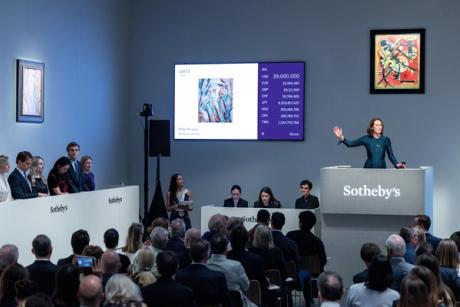
Today’s art collectors are not just connoisseurs; they are often billionaires whose financial power can dramatically influence the market. As art becomes an extension of personal brand and status, these collectors are drawn to works that not only resonate aesthetically but also promise robust investment returns. This has led to a focus on high-profile artists whose pieces can fetch astronomical prices at auction, further entrenching the divide between the elite and the broader public.
The Cultural Impact of Exclusivity
The rise of ultra-rich collectors has significant implications for cultural institutions and the accessibility of art. Galleries and auction houses increasingly cater to the tastes of these wealthy individuals, often sidelining emerging artists or less-commercialized forms of expression. This shift not only affects the diversity of voices represented in the art world but also the narratives that shape our cultural landscape.
Market Dynamics: Speculation Meets Affluence
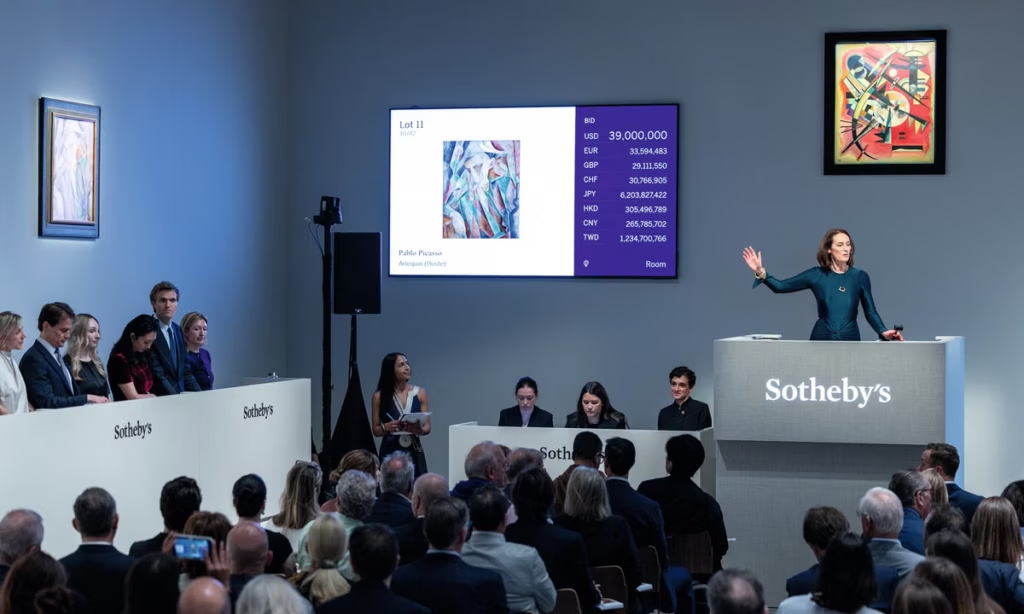
As the art market becomes more entwined with the financial ambitions of its wealthiest players, speculation has surged. Art is often viewed as a safe haven for investment, a perception that has only intensified in uncertain economic climates. This speculative nature can lead to inflated prices and a volatile market, where the value of a piece is determined more by status than by artistic merit.
Rarity and Provenance: The Allure of the Unique
Within this climate, the significance of rarity and provenance has become paramount. Collectors are increasingly focused on acquiring pieces with compelling backstories and verifiable authenticity. The narrative surrounding an artwork—its journey through history, the reputation of the artist, and the context of its creation—can greatly enhance its value. As such, the art market is not just about aesthetics but also about the stories that artworks tell, making the role of curators and art historians ever more vital.
The Psychology of Collecting
The motivations behind art collecting are complex and often intertwined with personal and cultural identity. For some collectors, the act of acquiring art is a means of establishing legacy, while for others, it is a way to engage with and influence the cultural discourse. Understanding these psychological drivers can provide deeper insights into market trends and the future of art collecting.
A Call for Inclusivity
As the art world grapples with the implications of wealth disparity, there is a growing call for inclusivity and accessibility. Initiatives aimed at democratizing access to art—through community exhibitions, digital platforms, and educational programs—are essential in broadening the scope of who can participate in the art market. By fostering a more diverse and inclusive environment, the art world can not only thrive but also enrich the cultural fabric of society.
Editorial note: This article was created by A Bit Lavish Miami’s Magazine as an original editorial reinterpretation based on publicly available reporting. Original source: theartnewspaper.com. Read the original article here: https://www.theartnewspaper.com/2026/09/01/the-art-worlds-billionaire-problem-is-getting-worse.
Images are used for editorial reference with source credit. If an image requires correction or removal, please contact A Bit Lavish.




Francis Halzen Awarded Nobel Prize in Physics for Groundbreaking Study on Ghost Particles
The Nobel Prize in Physics 2026 has been awarded to Francis Halzen...
 2 Mins read
Echoes of Resilience: The Transformative Power of Art in Gaza
Explore how Palestinian artists, navigating life under the Gaza ceasefire, use their...
2 Mins read
A Cultural Renaissance: The Gift Transforming South Asian Art at Phoenix Art Museum
Explore the profound impact of Sukumar Nagendran's generous gift to the Phoenix...
2 Mins read
A New Beacon of Activism: The Puffin Foundation Center at the Museum of the City of New York
Explore the newly opened Puffin Foundation Center for Social Activism at the...
2 Mins read