

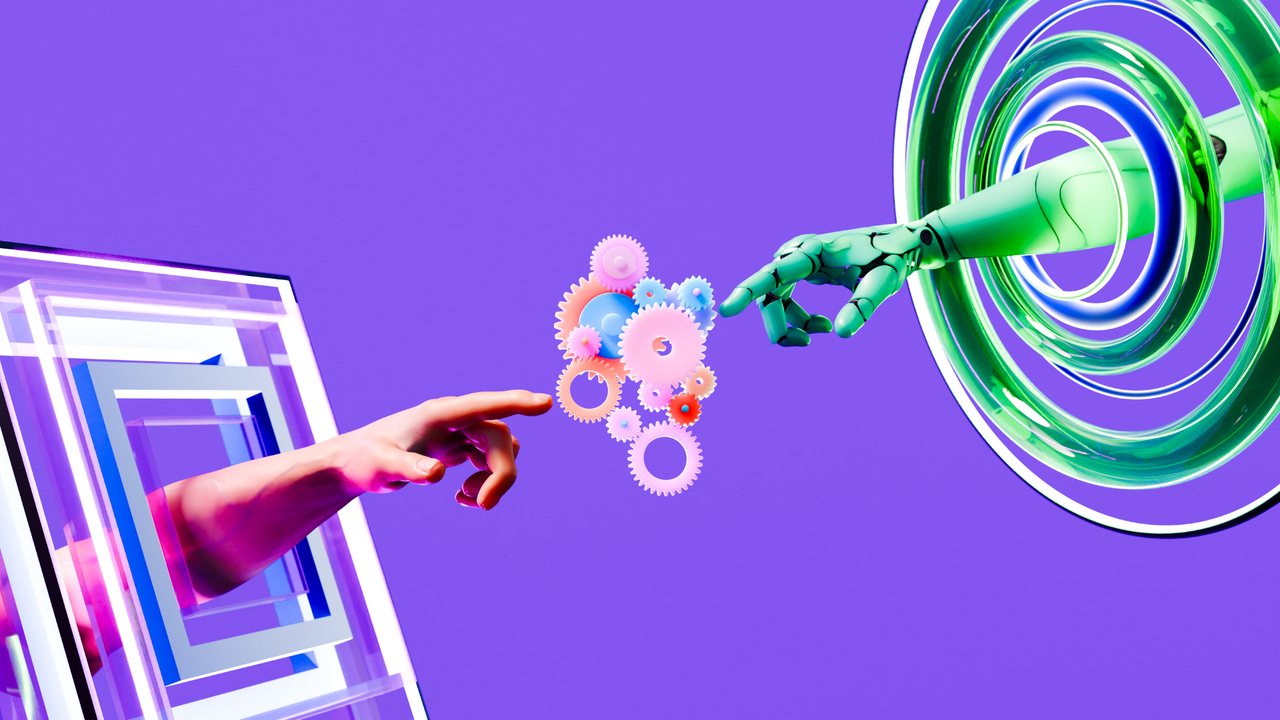
Redefining the Role of AI in Design
In the rapidly evolving landscape of design, architecture, and engineering, artificial intelligence has emerged as a pivotal topic of discussion. Yet, amidst the buzz, a critical dialogue is taking shape around the nature of AI’s role in creative processes. As industry leaders grapple with how to integrate these technologies, a standout philosophy is surfacing: AI should serve as an augmentation of human expertise rather than a substitute for it.
A Caution Against Full Automation
The allure of full automation is tempting, with promises of efficiency and output at the forefront. However, the pursuit of a fully automated design environment raises significant concerns. When organizations prioritize the streamlining of deliverables at the expense of human creativity, they risk losing the essence of what makes design a rich and personal endeavor. The passion and individuality that designers bring to their work are irreplaceable; they resonate with clients and end-users on a profound level.
The Power of Collaboration
Rather than relegating designers to the sidelines, AI should function as a collaborative partner that enhances the creative journey. The key lies in maintaining a balance—leveraging AI’s capabilities to refine ideas while ensuring that the human element remains at the forefront. This collaborative model fosters a dynamic where designers can utilize AI to challenge their thinking, identify potential gaps, and ultimately create more robust solutions.
Nurturing the Next Generation of Designers
The implications of AI on emerging talent in the design field are profound. For young architects and engineers entering the workforce, exposure to authentic, hands-on experiences is crucial for their development. An over-reliance on automation can stifle their growth, depriving them of the opportunities to engage in critical thinking, iteration, and the nurturing of a personal design philosophy. By preserving these formative experiences, we equip the next generation with the tools necessary to become innovative leaders in the industry.
Empathy and Authenticity in Communication
Interestingly, as AI-generated content proliferates, the value of genuine, human communication becomes increasingly apparent. In a world inundated with machine-generated outputs, clients and stakeholders are likely to gravitate toward authenticity. This shift places a premium on effective communication skills, which can be enhanced through the thoughtful application of AI. For example, in high-stakes meetings, AI can assist designers in interpreting verbal cues and nuances, enabling them to respond with greater empathy and understanding.
A Deliberate Approach to Technology
The future of design is not about resisting the integration of AI but rather embracing it with intention and care. By strategically employing technology that fosters innovative thinking and preserves the core values of design—human judgment, creativity, and empathy—we can navigate this new landscape effectively. As we continue to explore the intersection of AI and design, it is imperative that we remain vigilant in our commitment to maintaining the human touch that underpins our craft.
Editorial note: This article was created by A Bit Lavish Miami’s Magazine as an original editorial reinterpretation based on publicly available reporting. Original source: fastcompany.com. Read the original article here: https://www.fastcompany.com/91551054/use-ai-to-augment-design-not-replace-it.
Images are used for editorial reference with source credit. If an image requires correction or removal, please contact A Bit Lavish.










Navigating the New Frontier: Leadership in the Age of Agentic AI
Explore how leaders can reclaim agency in a world increasingly driven by...
 3 Mins read

From Layoffs to Rehires: The Unfolding Narrative of AI in the Workforce
Explore how the AI narrative is reshaping employment strategies, revealing the importance...
2 Mins read

Limited-Time Kamaʻāina Discounts Announced at Hyatt Buffet
Hyatt's discount initiative highlights the importance of local tourism recovery amidst ongoing...
1 Mins read



Freddy Krueger Returns to Pop Culture Spotlight Amidst Global Nostalgia
The resurgence of Freddy Krueger reflects a significant cultural moment, highlighting evolving...
1 Mins read
