
The Human Element in a Colorful Controversy: Ansel Adams Reimagined

The Intersection of Art and Technology
In a landscape where the boundaries of traditional art forms are increasingly blurred by technological advancements, a recent furor surrounding a colorized version of Ansel Adams’ photography has ignited a passionate debate. This discourse transcends mere aesthetic preferences, delving deep into the psyche of art collectors and critics alike, and raises vital questions about the essence of artistic value in an age dominated by artificial intelligence.
Rediscovering a Master
Ansel Adams, revered for his breathtaking black-and-white landscapes, captured the American wilderness with unparalleled precision and emotion. His work not only exemplifies technical mastery but also represents a profound connection to nature and the ethos of environmentalism. The allure of his photographs lies in their authenticity—each image is a testament to a moment in time, meticulously crafted through Adams’ deep understanding of light, shadow, and composition.
However, the recent unveiling of a digitally colorized rendition challenges this authenticity. What does it mean to reinterpret a master’s work through the lens of modern technology? As the art world grapples with this question, the implications of AI in the creative process cannot be understated.

Provocative Implications for Art Collectors
The colorization of Adams’ work raises a multitude of concerns for collectors. Art is often valued not just for its visual appeal but for the narrative it embodies—the history, the artist’s intent, and the cultural context surrounding its creation. When an AI reimagines a piece, does it inherently dilute the original’s significance? Or does it open new avenues for appreciation and understanding?
- Rarity and Uniqueness: One of the hallmarks of fine art is its rarity. The notion of a singular vision expressed through the hands of a master like Adams cannot be replicated by algorithms, which operate on data and patterns.
- Market Sentiment: The art market is as much about perception as it is about physical pieces. How does the introduction of AI-generated works affect collector psychology? Are collectors more inclined to invest in original pieces or are they open to embracing new interpretations?
- Artist Legacy: The legacy of an artist such as Adams is intricately tied to the authenticity of their work. Can AI-generated versions coexist with traditional masterpieces, or do they overshadow the original contributions?
Artistic Integrity in a Digital Age
The controversy surrounding the colorized photograph underscores a profound tension between innovation and tradition. As we navigate this brave new world, the role of the curator becomes increasingly vital. Curators are tasked with not only preserving the integrity of an artist’s legacy but also presenting new interpretations that resonate with contemporary audiences.
In Miami, where the vibrancy of the art scene mirrors the city’s dynamic culture, galleries are beginning to showcase works that incorporate technology, inviting patrons to engage with art in ways that were previously unimaginable. This evolution poses a question: can the marriage of AI and art lead to a richer understanding of both mediums?
Challenges and Opportunities in the Art Market
The art market is not merely a marketplace; it is a reflection of societal values and cultural shifts. As the conversation around AI-generated art expands, it presents both challenges and opportunities for collectors and institutions alike. The issues raised by this colorized photograph mirror broader concerns about authenticity, authorship, and the ever-changing definition of art.

For collectors, the choice between traditional and AI-generated works may well come down to personal taste and philosophical alignment. Are they drawn to the emotional weight of a piece created by human hands, or do they embrace the novelty and potential for innovation that AI brings?
Miami’s Role in the Future of Art
As a cultural epicenter, Miami stands at the forefront of this dialogue. The city’s vibrant art fairs and exhibitions provide fertile ground for exploring the implications of AI in art. Collectors, artists, and curators alike are uniquely positioned to influence how these discussions unfold.
Ultimately, the intersection of art and technology invites us to reconsider our relationship with creativity. The colorization of Ansel Adams’ photographs may serve as a catalyst for broader conversations about the nature of art itself—challenging us to reflect on what it means to create, to appreciate, and to collect in a world where the lines between human and machine are increasingly blurred.
Editorial note: This article was created by A Bit Lavish Miami’s Magazine as an original editorial reinterpretation based on publicly available reporting. Original source: theartnewspaper.com. Read the original article here: https://www.theartnewspaper.com/2026/06/02/colourised-ansel-adams-photo-artificial-intelligence-press-any-key-to-continue.
Images are used for editorial reference with source credit. If an image requires correction or removal, please contact A Bit Lavish.









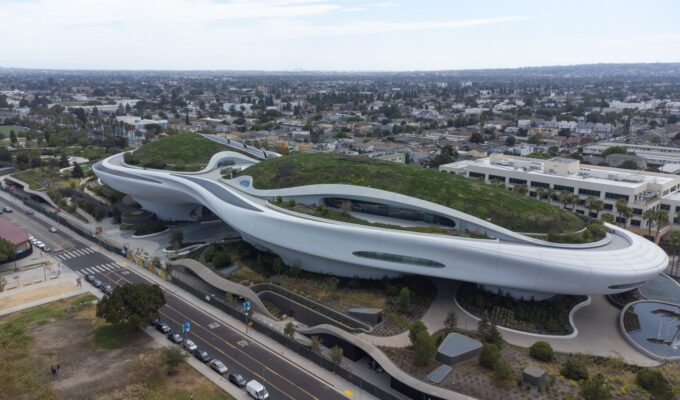
Lucas Museum Opens with Star-Studded Gala, Signaling a New Era in Art Institutions
The Lucas Museum of Narrative Art officially opened on September 20, 2026,...
 2 Mins read
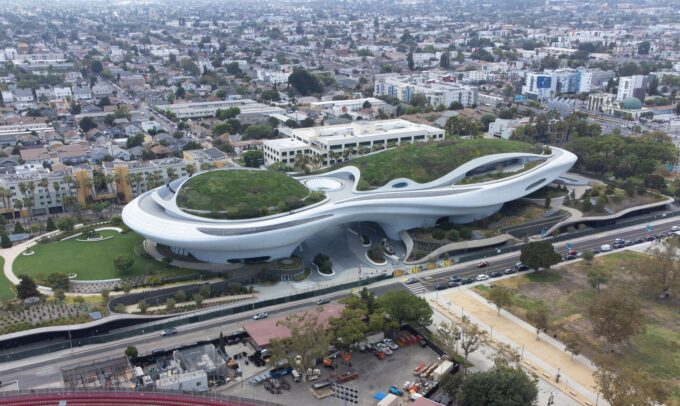
Hollywood Celebrates the Opening of the Lucas Museum of Narrative Art
The Lucas Museum of Narrative Art officially opened its doors, marking a...
1 Mins read
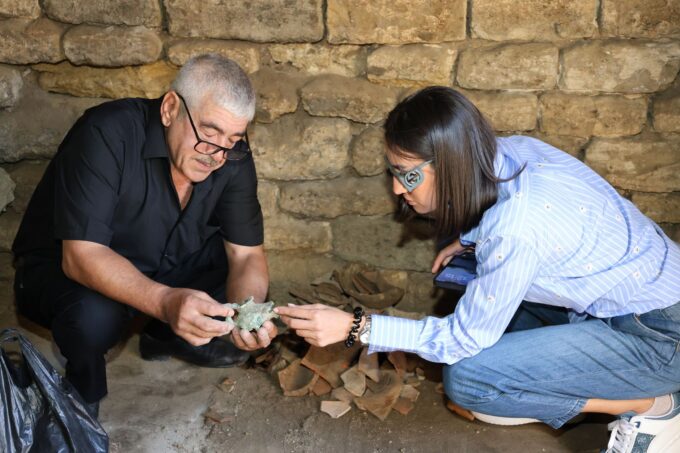
Archaeologists Race Against Time to Save Centuries-Old Artifacts in Alaska After Typhoon Halong
Urgent efforts are underway to recover invaluable historical artifacts scattered by Typhoon...
1 Mins read


High School Teacher Uncovers Rare T. Rex Tracks in Pivotal Paleontological Discovery
A high school science teacher's remarkable find of rare T. Rex tracks...
2 Mins read
