
Unraveling the Ties That Bind
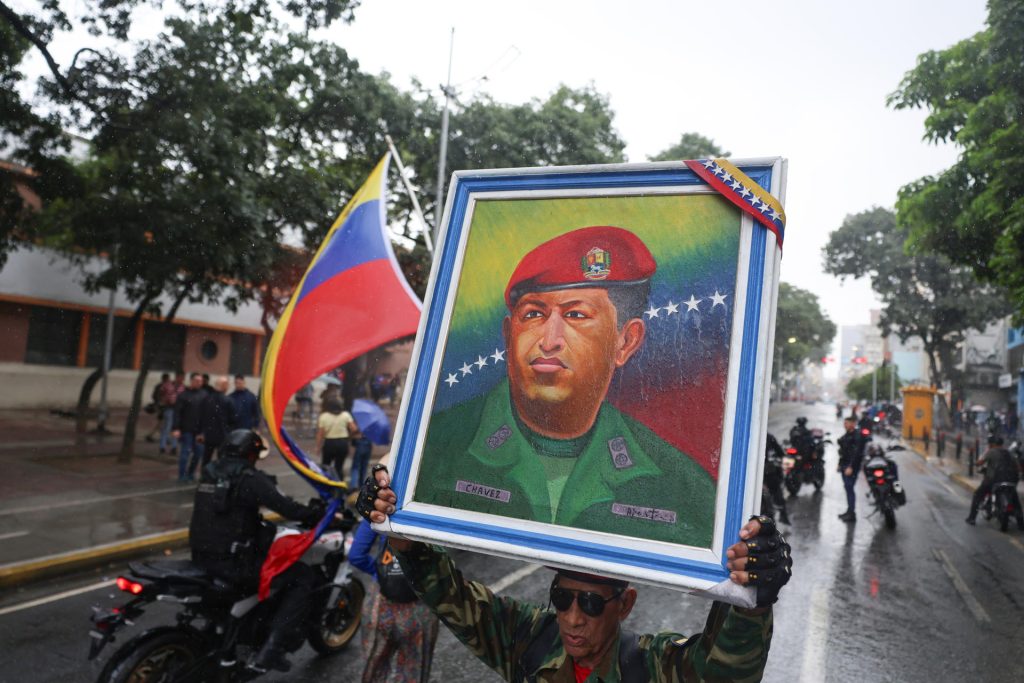
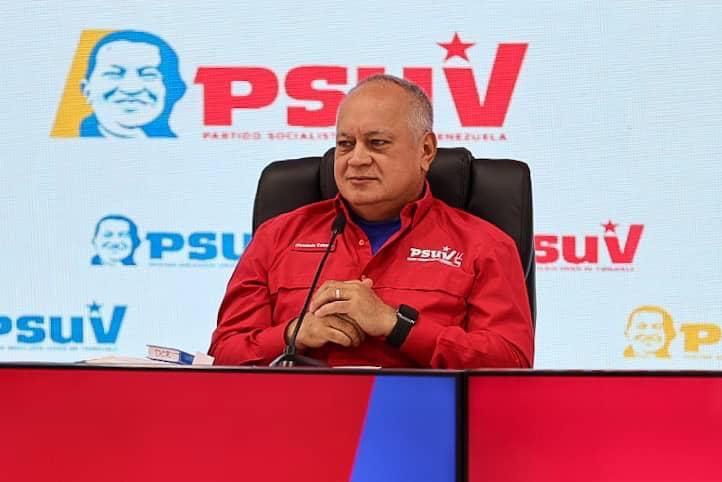
In the complex landscape of Venezuelan politics, the Chavismo movement stands at a crossroads, grappling with internal dissent that questions its very foundation. Key figures within the political sphere, such as Iris Varela and Francisco Arias Cárdenas, have begun to voice their unease regarding the leadership under Delcy Rodríguez, the appointed successor of Nicolás Maduro. Despite the calls for unity by Diosdado Cabello, the Secretary General of the United Socialist Party of Venezuela (PSUV), the discontent is palpable.
The Dissonance of the Discontented
Recent developments have highlighted a growing rift among the ranks of Chavismo, particularly in response to the ongoing dialogue table between the government and opposition factions. Notably, a group of 29 dissenting members, referring to themselves as ‘chavistas originarios,’ issued a statement demanding that internal consultations be prioritized before any negotiations proceed. This dissent has been further amplified by a social media campaign under the hashtag #FueraTrumpDeVenezuela, signaling a collective call for sovereignty and an end to perceived foreign influence.
The Fragile Cohesion of Power
Political analysts suggest that while the internal factions may not wield significant power, their symbolic stance represents a larger ideological struggle within Chavismo. The leadership, particularly that of Cabello, maintains a tight grip on the party’s hierarchical structure, yet the challenge lies in navigating the discontent among its grassroots supporters. The reluctance to prominently feature Maduro in public events indicates a strategic shift aimed at appeasing the dissenting voices while preserving the existing power dynamics.
Protests and Ideological Struggles
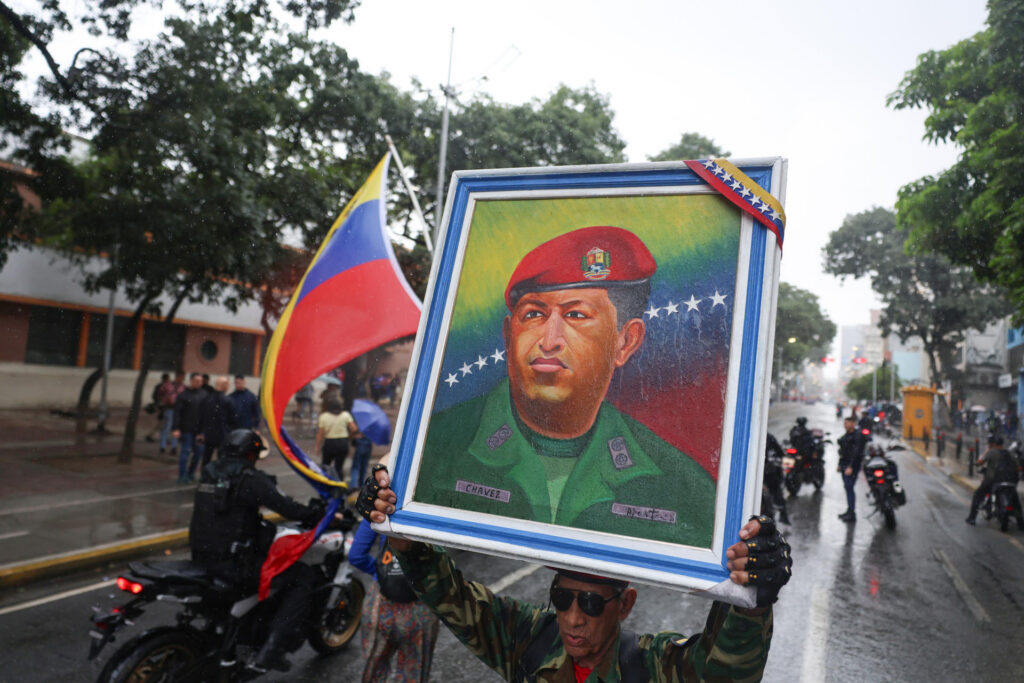
Amidst this upheaval, radical factions within Chavismo have manifested their discontent through public demonstrations, including a recent protest in Caracas where U.S. and Israeli flags were burned in a display of defiance against foreign intervention. Varela’s vocal criticism of the dialogue initiative reflects a broader sentiment among those who adhere to the original tenets of Chavismo, emphasizing anti-imperialism and ideological purity.
A Call for Authentic Representation
Amidst this backdrop of dissent, voices like Arias Cárdenas have emerged, advocating for a more inclusive approach that actively engages the PSUV’s base in negotiations with the opposition. His insistence on consulting party members before finalizing any agreements underscores a desire for legitimacy in the political process. However, critics, including former party members, argue that the PSUV has lost its connection to the Venezuelan populace, rendering any consultation efforts virtually meaningless.
The Road Ahead: A Potential Realignment
As tensions simmer, the potential for a power struggle within Chavismo looms large. Figures like Arias Cárdenas, who appear to advocate for greater internal democracy, may be positioning themselves for future leadership roles in anticipation of upcoming elections. Furthermore, the emergence of a more unified front among dissenting factions could signal a pivotal moment for the party, potentially reshaping the political landscape in Venezuela as the nation grapples with its identity and direction.


Editorial note: This article was created by A Bit Lavish Miami’s Magazine as an original editorial reinterpretation based on publicly available reporting. Original source: efectococuyo.com. Read the original article here: https://efectococuyo.com/politica/el-triunvirato-vs-el-chavismo-originario-fractura-inminente/.
Images are used for editorial reference with source credit. If an image requires correction or removal, please contact A Bit Lavish.



Venezuela Reports 8.4% Inflation Rate for September 2026
The Central Bank of Venezuela has announced an inflation rate of 8.4%...
 2 Mins read
A Shift in the Winds: Flávio Bolsonaro’s Call for Change in Brazil
Explore Flávio Bolsonaro's vision for Brazil's future following his strong showing in...
2 Mins read
A Surprising Turn in Brazilian Politics: Lula’s Unexpected First-Round Results
Brazil's President Luiz Inácio Lula da Silva reacts to unexpected election results,...
2 Mins read
Venezuela’s Inflation Rate Hits 8.4% in September 2026
The Central Bank of Venezuela has reported an inflation rate of 8.4%...
2 Mins read