
The Legacy of Julio Le Parc: A Luminary in Kinetic Art

A Visionary’s Journey
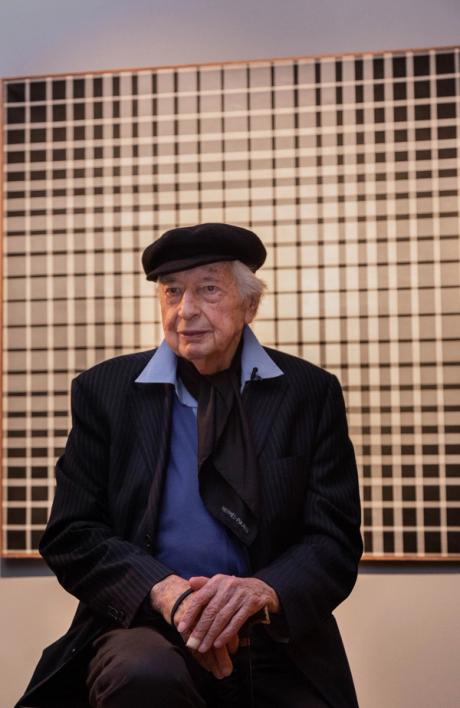
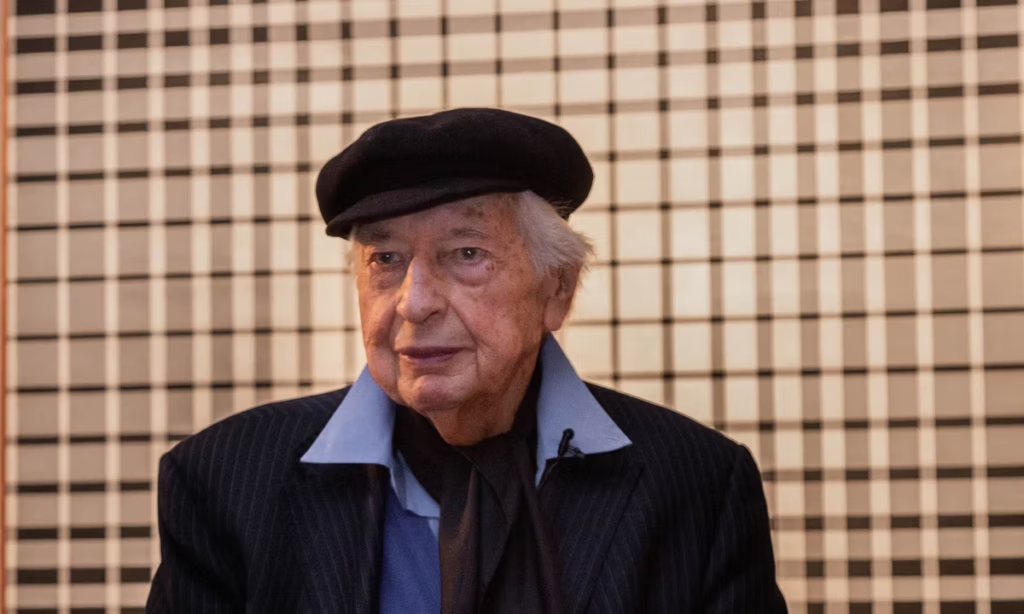
Julio Le Parc, an iconic figure in the realm of kinetic art, has left an indelible mark on the contemporary art landscape. Born in Argentina and later establishing his creative roots in Paris, Le Parc’s artistic journey is a testament to his unyielding passion for exploring the intersection of art and movement. His recent passing at the age of 97 has sparked reflections on his profound influence and the significance of his work in the evolution of modern art.
The Dance of Light and Shadow
Le Parc’s oeuvre is characterized by a harmonious interplay of light, movement, and viewer engagement. His installations invite spectators to immerse themselves in a sensory experience, blurring the lines between the artwork and the observer. By employing light as a medium, he created dynamic environments that challenge conventional perceptions, encouraging audiences to participate actively in the artistic experience.
Challenging Artistic Norms
Throughout his prolific career, Le Parc championed the idea of art as a collaborative experience rather than a solitary observation. He was a founding member of the Grupo de Acción Visual, which sought to break away from traditional art forms, advocating for active viewer involvement. This ethos resonates deeply in today’s art market, where the boundaries between creator and consumer continue to evolve, and his pioneering vision serves as a guiding light for emerging artists.
Provenance and Rarity in the Art Market
Le Parc’s works are not just aesthetically captivating; they are steeped in cultural significance and rarity. As collectors seek to diversify their portfolios with pieces that embody innovation and historical importance, Le Parc’s creations are increasingly recognized for their investment potential. His retrospectives, including the highly anticipated exhibition at Tate Modern, underscore the enduring relevance of his work and its appreciation in the art market.
An Artist’s Legacy
Le Parc’s artistic journey was deeply intertwined with his commitment to social issues. Many of his works challenge viewers to reflect on broader societal themes, turning the act of viewing into a dialogue. This legacy is particularly relevant in today’s Miami art scene, where social consciousness and cultural narratives play a pivotal role in the collections of discerning collectors.
In the Fabric of Miami’s Art Scene
As Miami continues to establish itself as a global art hub, the influence of artists like Julio Le Parc becomes even more significant. His innovative approach to kinetic art inspires local artists and galleries, fostering a vibrant community that values creativity and innovation. Collectors in Miami are increasingly drawn to artworks that not only enhance their aesthetic environments but also carry profound stories and cultural significance.
Conclusion: A Lasting Impact
The recent passing of Julio Le Parc marks the end of an era but also serves as a call to honor the legacy of a true visionary. His works transcend mere decoration, urging us to reconsider our relationship with art and its role in our lives. As the art world reflects on his contributions, we are reminded of the power of creativity to inspire, provoke, and transform. In the spirit of Le Parc, may we continue to explore the boundaries of art and embrace the beauty of movement and interaction.
Editorial note: This article was created by A Bit Lavish Miami’s Magazine as an original editorial reinterpretation based on publicly available reporting. Original source: theartnewspaper.com. Read the original article here: https://www.theartnewspaper.com/2026/06/05/julio-le-parc-kinetic-art-pioneer-obituary.
Images are used for editorial reference with source credit. If an image requires correction or removal, please contact A Bit Lavish.








Navigating Fantasy: The Allure of Rare Literary Cartography
Explore the captivating intersection of literature and cartography in an upcoming Zurich...
 3 Mins read

Cuauhtémoc Medina: Curatorial Visionary Set to Elevate Guatemala’s Bienal de Arte Paiz
Explore the profound impact of Cuauhtémoc Medina's curatorial approach as he prepares...
2 Mins read

Unveiling Deception: The Forgery Scandal Shaking the Art World
An in-depth exploration of the Giuliano Ruffini forgery scandal, its implications for...
2 Mins read



Transition at the Top: A New Era for the Art Gallery of Ontario
As Stephan Jost steps down from his role at the Art Gallery...
2 Mins read
