
The Next Chapter in Florida’s Property Tax Evolution
 ABLUpdated 1 month Ago3 Mins read45
Fresh Insights into Property Tax Reformation
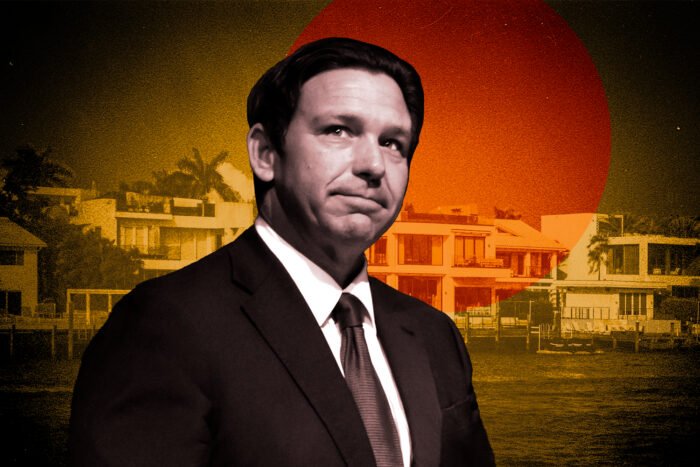
In a move that has captured the attention of property owners and investors alike, Florida Governor Ron DeSantis is reigniting discussions surrounding property tax reform. His proposal aims to significantly alter the taxation landscape for primary residences, particularly homesteaded properties, signaling a potential shift that could resonate throughout Miami’s affluent real estate market.
Having previously encountered resistance during the regular legislative session, the initiative is poised for renewed consideration in a special summer session. This development holds promise for homeowners and real estate stakeholders who are keenly watching the implications of such a significant change.
Reimagining the Tax Landscape
The crux of Governor DeSantis’s proposal lies in a phased approach to property tax reductions, as opposed to a blanket elimination. This more measured strategy aims to provide homeowners with immediate relief while allowing the state to retain essential revenue streams. “Our goal would be: Homestead properties would be exempt from property tax,” DeSantis stated in Palm Beach, indicating his administration’s commitment to recalibrating fiscal policies in favor of residents.
This shift could potentially enhance the desirability of Miami’s residential neighborhoods, making them more appealing to both current and prospective homeowners. As the city continues to attract wealthy individuals and families, the prospect of lower property taxes could amplify Miami’s allure as a prime destination for luxury living.
The Ripple Effect on Miami’s Real Estate Market
As Miami stands at the forefront of luxury real estate, any changes in taxation will undoubtedly ripple through its vibrant market. With a significant number of properties classified as homesteads, this proposed tax reform could stimulate heightened demand in the sector. Investors might see this as a strategic opportunity to acquire properties with favorable tax implications.
Moreover, as the city navigates its post-pandemic recovery, an influx of new residents seeking tax advantages could further bolster the local economy. Enhanced investment in residential developments would be likely, as builders and developers align their projects with the evolving needs of a changing demographic landscape.
Architectural Innovation Meets Fiscal Strategy
With financial incentives on the table, architecture and design in Miami could experience a renaissance. Developers may prioritize sustainable, luxury homes that cater to the affluent market, creating spaces that not only serve as residences but also as investments. Innovative designs that capitalize on Miami’s unique coastal lifestyle will likely emerge, blending aesthetics with functionality.
This convergence of fiscal strategy and architectural innovation is essential for maintaining Miami’s competitive edge in an increasingly crowded luxury market. The prospect of reduced property taxes may empower developers to invest in more ambitious projects, thereby enhancing the city’s architectural landscape.
Navigating the New Normal
As Florida’s legislative session approaches, stakeholders from various sectors will need to navigate the complexities of the proposed tax reforms. Real estate professionals, financial advisors, and potential homeowners will benefit from understanding the nuances of the changes and how they may affect property values and investment strategies.
Furthermore, as Miami’s waterfront lifestyle continues to draw attention, the implications of tax reform could extend beyond mere property values. The city’s cultural fabric, characterized by its vibrant community and business opportunities, will likely evolve in response to the shifting fiscal policies.
Looking Ahead: Opportunities and Challenges
The anticipated property tax overhaul presents both opportunities and challenges for Miami’s real estate market. While the prospect of lower taxes on homesteaded properties may enhance affordability and attractiveness, it also raises questions about long-term fiscal sustainability and the potential impact on public services.
As discussions unfold, stakeholders must engage in open dialogue to ensure that any reforms align with the broader goals of community development and economic growth. The balance between enticing property owners and maintaining the integrity of public infrastructure will be critical as Miami continues its journey as a premier destination for luxury living.
Editorial note: This article was created by A Bit Lavish Miami’s Magazine as an original editorial reinterpretation based on publicly available reporting. Original source: therealdeal.com. Read the original article here: https://therealdeal.com/miami/2026/05/07/desantis-signals-summer-session-for-property-tax-overhaul/.
Images are used for editorial reference with source credit. If an image requires correction or removal, please contact A Bit Lavish.










A New Chapter in Luxury: Gabe Newell Acquires Stunning Manalapan Estate
Billionaire video game mogul Gabe Newell makes headlines with a $71 million...
 2 Mins read

Elevating West Palm Beach: A High-Stakes Waterfront Development Emerges
Explore the ambitious plans of Terra and BH Group as they transform...
2 Mins read

The World Cup Effect: A Transformative Wave for South Florida Real Estate
Explore how the FIFA World Cup is set to reshape the real...
2 Mins read



Love and Leases: A Turbulent Tale in Miami Real Estate
Explore the complexities of relationships in Miami's real estate world through a...
2 Mins read
