
The Parthenon Marbles: A Tale of Cultural Heritage and Controversy
 ABLUpdated 4 weeks Ago3 Mins read47

Renaissance of an Icon
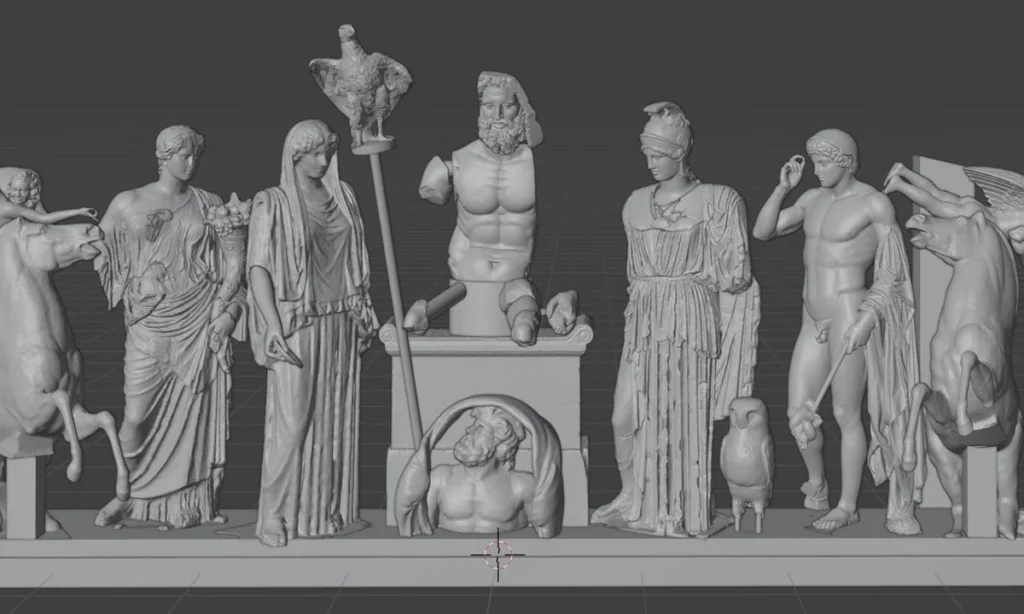
In the dynamic world of art and antiquities, few subjects inspire as much passion and debate as the Parthenon Marbles. Originally part of the Parthenon temple, these sculptural masterpieces have elicited fervent discussions about cultural ownership and heritage for decades. Recently, the British Museum’s decision to loan two of these fragments to the Liebieghaus in Frankfurt has reignited the dialogue surrounding their provenance and the ongoing quest for rightful restitution.
Greece’s Stance: A Cultural Reclamation
Greece’s recent rejection of the loan request for the fragments highlights a pivotal moment in the ongoing discourse about cultural treasures. The Greek government’s position asserts not just a desire for the return of the marbles but also a broader commitment to preserving and celebrating their historical significance within their original cultural context.
With the temple’s grandeur serving as a symbol of ancient Greek civilization, the marbles are more than mere artifacts; they embody the narrative of a rich cultural heritage that transcends borders. This rejection underscores Greece’s dedication to reclaiming its historical narrative and the cultural integrity of its national identity.

The Art Market’s Intricate Web
As the art market continues to evolve, the significance of provenance has never been more pronounced. The decision by the British Museum to lend the fragments is not only a logistical maneuver but also a strategic move within the art market’s intricate web. Institutions often leverage such loans to enhance their exhibitions and attract visitors, creating a dual narrative of cultural exchange and contested ownership.
The implications reach beyond the immediate exhibition. For collectors and institutions, the significance of owning pieces with a complex history such as the Parthenon Marbles can elevate their value and prestige. Yet, this also raises questions about the ethics of collection practices and the responsibilities of institutions in the face of historical injustices.
The Intersection of Art and Identity
The discourse surrounding the Parthenon Marbles extends into the realm of identity and memory. For many, these sculptures are emblematic of Greece’s ancient glory and contemporary aspirations. The marbles are not just relics; they are physical representations of a culture’s identity and its ongoing struggle for recognition and respect within the global art narrative.
As institutions like the British Museum navigate the complexities of their collections, they must grapple with the evolving expectations of cultural sensitivity and ethical stewardship. The conversation surrounding the marbles has sparked a broader movement advocating for the decolonization of art institutions and the re-evaluation of the narratives they perpetuate.
Miami’s Role in the Conversation
In the vibrant cultural landscape of Miami, the conversation around the Parthenon Marbles resonates deeply. The city’s emerging art scene is characterized by a blend of global influences and cultural dialogues. As Miami continues to position itself as a nexus for art and cultural exchange, the debates surrounding iconic works like the Parthenon Marbles provide a crucial framework for understanding the evolving dynamics of art ownership and cultural heritage.
Local collectors and institutions are increasingly attuned to the importance of ethical considerations in acquiring and exhibiting art. Miami’s galleries and museums are uniquely positioned to facilitate discussions about provenance, cultural heritage, and the responsibilities of collectors, offering a platform for critical engagement that reflects the city’s diverse community.
A Legacy in Flux
The narrative of the Parthenon Marbles is one of resilience and complexity, echoing the broader themes of art’s role in society. As Greece continues its pursuit of cultural restitution, the marbles remain a potent symbol of the intersection between history, identity, and the evolving landscape of the art market.
For collectors and enthusiasts alike, the ongoing story of the Parthenon Marbles serves as a reminder of the need for thoughtful engagement with the past while envisioning a future that honors the integrity of cultural heritage. The dialogue surrounding these fragments is far from over, and as it unfolds, it invites us to reflect on our own relationships with art, history, and the stories that define us.
Editorial note: This article was created by A Bit Lavish Miami’s Magazine as an original editorial reinterpretation based on publicly available reporting. Original source: theartnewspaper.com. Read the original article here: https://www.theartnewspaper.com/2026/09/08/greece-rejects-parthenon-marbles-loan-request-from-frankfurt-due-to-british-museum-involvement-reports-say.
Images are used for editorial reference with source credit. If an image requires correction or removal, please contact A Bit Lavish.




A Cultural Renaissance: The Gift Transforming South Asian Art at Phoenix Art Museum
Explore the profound impact of Sukumar Nagendran's generous gift to the Phoenix...
 2 Mins read
A New Beacon of Activism: The Puffin Foundation Center at the Museum of the City of New York
Explore the newly opened Puffin Foundation Center for Social Activism at the...
2 Mins read
The Tapestry of Time: Unraveling the Bayeux Tapestry’s Enduring Legacy
Explore the cultural significance and investment potential of the Bayeux Tapestry, a...
ABL2 Mins read
Preserving Art for Tomorrow: The Sustainable Revolution in Conservation
Exploring the innovative approaches in art conservation through sustainability, featuring insights from...
ABL3 Mins read