
The Political Theater: Trump, Venezuela, and the Art of Electoral Manipulation
A Cautionary Tale from the South
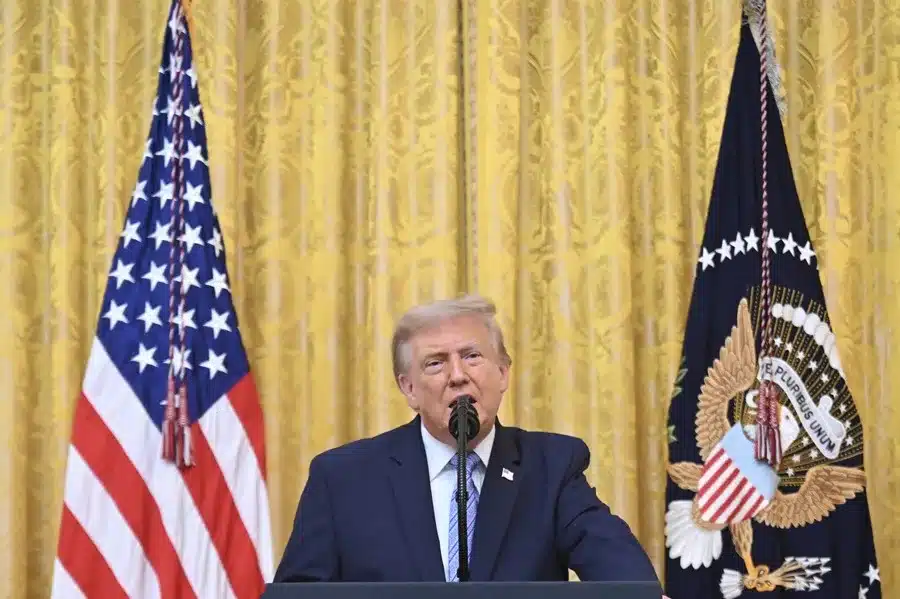
In the complex narrative of electoral politics, few stories have captured attention as compellingly as Venezuela’s tumultuous political landscape. Recently, former President Donald Trump invoked this narrative during a speech, framing Venezuela as a prime example of electoral fraud. While Trump sought to link his claims of widespread electoral manipulation in the United States to the Venezuelan experience, analysts have pointed out a fundamental disconnect between his assertions and the realities documented by intelligence agencies.
Unraveling the Narrative
Trump’s rhetoric, aimed at rallying his political base ahead of the anticipated midterm elections, highlighted alleged electronic voting fraud in Venezuela from 2004 to 2020. However, reports from the Central Intelligence Agency (CIA) contradict his statements, emphasizing a lack of definitive evidence regarding large-scale electronic fraud. Instead, the CIA’s findings suggest that Venezuelan authorities employed various methods—political disqualifications and institutional manipulation—to secure electoral advantages.
The Quest for Legitimacy
Political analysts contend that Trump’s narrative serves a dual purpose: to bolster his claims of having been robbed of the 2020 election and to undermine confidence in the American electoral system. By drawing parallels with Venezuela, Trump aims to instill doubt about the integrity of elections in the U.S. This strategy raises critical questions about the motivations behind his rhetoric and what it signifies for the future of American democracy.
A Domestic Focus
Despite the international framing, the upcoming midterm elections are profoundly rooted in domestic issues. Voters will weigh their opinions on local governance, economic pressures, and the overarching discontent with the current administration. Analysts argue that Trump’s focus on Venezuela may inadvertently alienate his own supporters, encouraging skepticism about the electoral process among his base rather than among opposing voters.
Manipulation or Miscommunication?
As Trump continues to leverage Venezuela in his political speeches, experts underscore the complexities surrounding electoral integrity. Instances of electoral manipulation in Venezuela, such as the controversial 2018 elections and subsequent events, have been documented. Yet, the CIA’s findings indicate that while there were attempts to alter outcomes, they did not manifest through the electronic means Trump claims.
Implications for U.S. Democracy
The ramifications of Trump’s narrative extend beyond immediate political gains. By fostering a climate of distrust around electoral systems, he risks engendering long-term consequences for voter participation. Analysts highlight how his assertions may serve to discourage voter turnout among independents and Democrats, undermining the very democratic processes he purports to defend.
Charting a Path Forward
As the U.S. approaches critical elections, the intersection of foreign narratives and domestic politics becomes increasingly significant. While Trump’s invocation of Venezuela as a cautionary tale may resonate with certain audiences, it also opens the floor for crucial discussions about electoral integrity, transparency, and the health of American democracy. As voters prepare to cast their ballots, understanding these dynamics will be essential in navigating the complexities of the political landscape.
Editorial note: This article was created by A Bit Lavish Miami’s Magazine as an original editorial reinterpretation based on publicly available reporting. Original source: efectococuyo.com. Read the original article here: https://efectococuyo.com/politica/por-que-trump-uso-a-venezuela-como-un-mal-ejemplo-electoral/.
Images are used for editorial reference with source credit. If an image requires correction or removal, please contact A Bit Lavish.



Venezuela Reports 8.4% Inflation Rate for September 2026
The Central Bank of Venezuela has announced an inflation rate of 8.4%...
 2 Mins read
A Shift in the Winds: Flávio Bolsonaro’s Call for Change in Brazil
Explore Flávio Bolsonaro's vision for Brazil's future following his strong showing in...
2 Mins read
A Surprising Turn in Brazilian Politics: Lula’s Unexpected First-Round Results
Brazil's President Luiz Inácio Lula da Silva reacts to unexpected election results,...
2 Mins read
Venezuela’s Inflation Rate Hits 8.4% in September 2026
The Central Bank of Venezuela has reported an inflation rate of 8.4%...
2 Mins read