
The Resilience of Heritage: The Iglesia Apóstol Santiago’s Encounter with Nature
A Legacy of Faith and Artistry
In the heart of the Peruvian highlands, where the whispers of history intertwine with the echoes of contemporary life, stands the Iglesia Apóstol Santiago. This 16th-century church, emblematic of colonial architecture, is not just a place of worship but a testament to the artistry and cultural heritage of its time. Its intricate design and rich history have made it a focal point for both locals and visitors, illuminating the enduring legacy of colonial craftsmanship.
The Forces of Nature
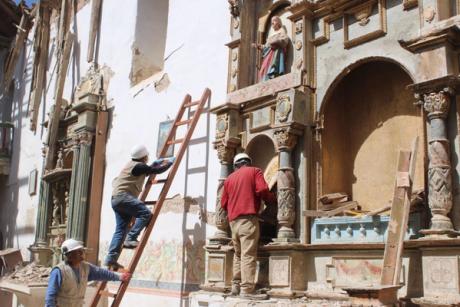
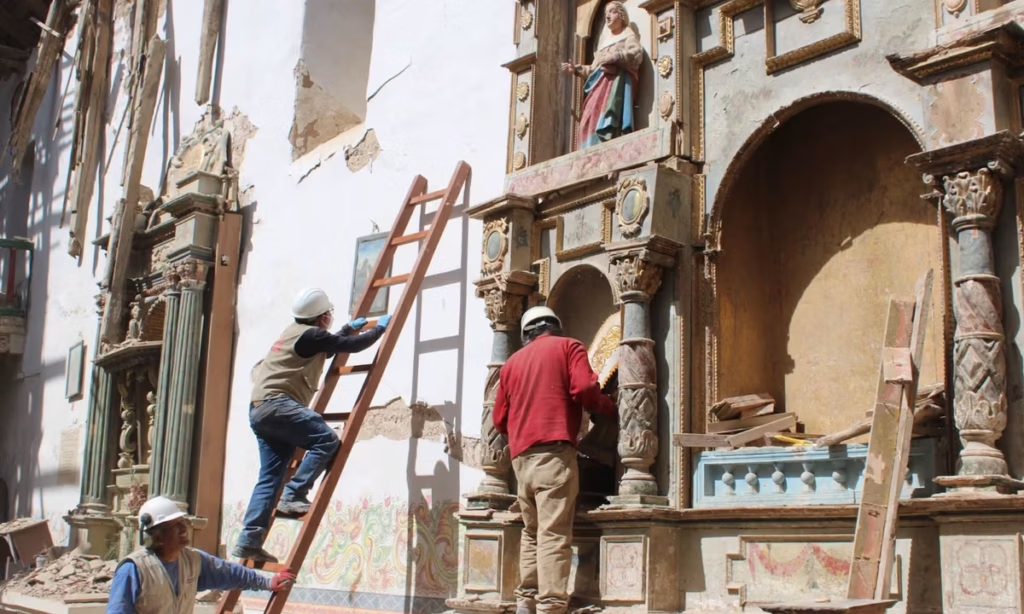
On July 18, a 5.1-magnitude earthquake struck the region, leading to the unfortunate collapse of the roof and a portion of the facade of this venerable structure. Such seismic events remind us of the fragility of history amidst the relentless forces of nature. The earthquake’s impact is a stark reminder of the vulnerabilities that historical buildings face, particularly those constructed centuries ago, when building techniques were less advanced than today.
Provenance and Preservation Challenges
The Iglesia Apóstol Santiago is not merely a building; it embodies the cultural narrative of a nation. Its walls have witnessed centuries of worship, community gatherings, and countless milestones in the lives of the local populace. However, the challenges of preservation are profound. The intersection of cultural significance and structural integrity poses a dilemma for conservators and local authorities. As they assess the damage, the focus is on how to restore this architectural gem while honoring its original essence.
Community and Collector Response
In the wake of the earthquake, the community’s response has been overwhelming. Local artisans, historians, and preservationists are rallying to initiate restoration efforts, driven by a shared sense of duty to protect their heritage. This collective effort speaks to the psychology of collectors and enthusiasts who understand that the value of such sites extends beyond mere aesthetics or historical significance; it lies in their ability to connect people with their past.
The Cultural Investment Perspective
For art collectors and investors, the events surrounding the Iglesia Apóstol Santiago present a critical learning opportunity. The rarity of colonial architecture, particularly structures that have stood for centuries, elevates their value in a market that increasingly seeks authenticity and provenance. Investing in such heritage not only reflects a desire to own a piece of history but also to contribute to its preservation for future generations. The dialogue between cultural significance and market value is complex yet vital, as more collectors recognize the importance of safeguarding our shared heritage.
A Call for Global Awareness
The plight of the Iglesia Apóstol Santiago serves as a poignant reminder of the need for heightened global consciousness regarding the preservation of historical sites. As natural disasters become more frequent and severe, the urgency to protect our cultural landmarks intensifies. Engaging with local communities, fostering international collaboration, and investing in preservation initiatives can ensure that these treasures endure through time, allowing future generations to appreciate the narratives they hold.
Editorial note: This article was created by A Bit Lavish Miami’s Magazine as an original editorial reinterpretation based on publicly available reporting. Original source: theartnewspaper.com. Read the original article here: https://www.theartnewspaper.com/2026/07/27/peru-earthquake-damages-16th-century-church-iglesia-apostol-santiago.
Images are used for editorial reference with source credit. If an image requires correction or removal, please contact A Bit Lavish.



Nobel Prize in Medicine 2026 Awarded for Breakthroughs in Optogenetics
The Nobel Prize in Medicine for 2026 has been awarded to Karl...
 1 Mins read

Houston’s Art Renaissance: A Canvas of Opportunity
Exploring Houston's burgeoning art scene through the lens of the recent Untitled...
 ABL2 Mins read

Harvesting Talent: Atlanta Art Fair’s Flourishing Platform for Local Artists
Explore how the Atlanta Art Fair is nurturing local talent and shaping...
ABL2 Mins read



Stolen ‘Walking Dead’ Comic Book Resurfaces at Pawn Shop, Seller Linked to Another Theft
A valuable comic book linked to a recent theft has surfaced at...
2 Mins read
