
The Resurgence of Guatemala’s Artistic Heart: A Journey Through the Museo de Arte Colonial

Restoration of Cultural Heritage
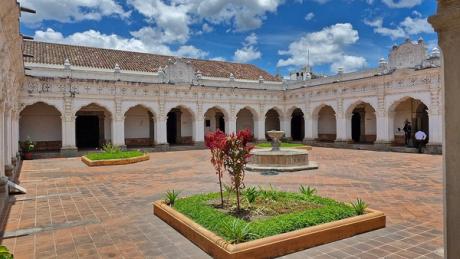
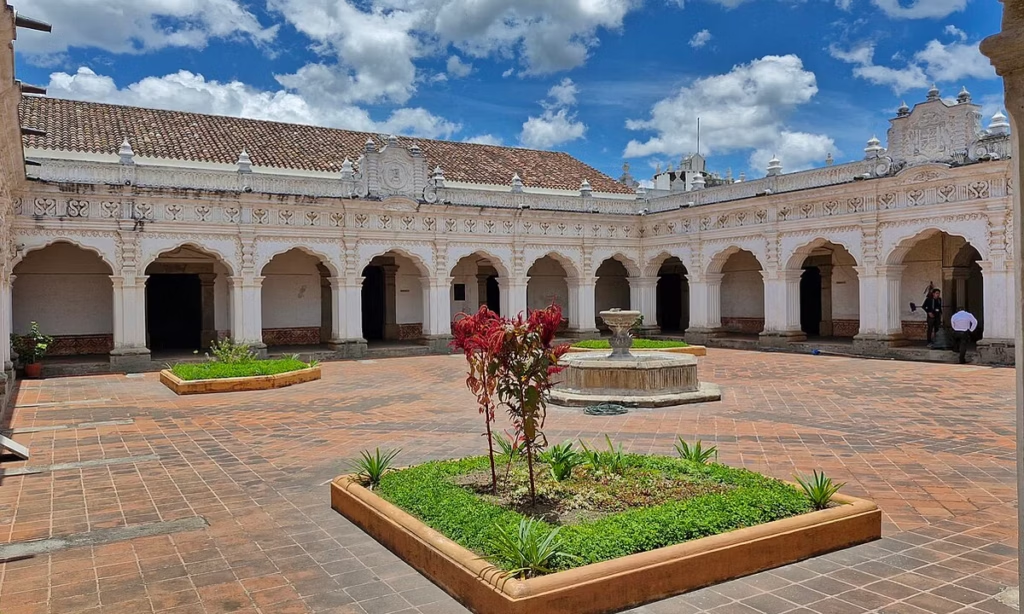
In a remarkable turn of events, the Museo de Arte Colonial in Antigua, Guatemala, is set to reopen its doors after a tumultuous closure that left its extensive collection suspended in uncertainty. This museum, a cornerstone of Guatemalan art history, houses an impressive array of 287 works that encapsulate the rich colonial legacy of the region. The abrupt closure last December, prompted by a court-ordered raid, sent shockwaves through the art community, raising questions about the preservation of cultural artifacts and the complexities of legal ownership.
A Glimpse into the Collection
The Museo de Arte Colonial is not merely a repository of artworks; it is a narrative woven through centuries of history. Each piece in its collection possesses a unique provenance that speaks to the intricate relationship between art and the socio-political landscape of its time. The collection features masterful works that echo the colonial era’s artistic styles, including religious iconography and local craftsmanship that are both rare and significant.
The Legal Labyrinth
The circumstances surrounding the museum’s closure illuminate the often murky waters of art ownership and cultural property laws. The court-ordered intervention aimed to address allegations concerning the authenticity and rightful ownership of the collection. This incident has ignited a broader conversation about the ethics of art curation and the responsibilities of museums to safeguard their collections while navigating legal challenges. The reopening of the museum not only reinstates access to these cultural treasures but also highlights the delicate balance between legalities and the preservation of heritage.
Art as Investment and Identity
As the museum prepares to welcome visitors once again, the implications of its reopening extend beyond mere aesthetics. In the contemporary art market, the intersection of cultural heritage and investment potential is becoming increasingly pronounced. Collectors and investors alike are keenly aware that rare works, especially those with a storied history, often appreciate over time. The pieces housed within the Museo de Arte Colonial are not just artifacts; they are potential investments that encapsulate both cultural significance and financial value.
The Collector’s Mindset
For art collectors, the allure of acquiring a piece from a collection steeped in history is compelling. The psychological motivations behind collecting often intertwine with a desire for legacy, identity, and cultural connection. The reopening of the Museo de Arte Colonial provides a renewed opportunity for collectors to engage with Guatemalan art, fostering an environment where historical significance and modern appreciation can coexist harmoniously.
Miami’s Role in the Global Art Scene
Miami, a burgeoning hub for art and culture, finds itself at the intersection of traditional and contemporary artistic discourse. As the city continues to attract international collectors and artists, the stories emerging from the Museo de Arte Colonial resonate with those in the Miami art community. The shared experience of navigating the complexities of art ownership and cultural heritage underscores the global nature of the art world, inviting Miamians to reflect on their role in it. The museum’s reopening serves not only as a revival of a vital cultural institution but also as a reminder of the importance of preserving the narratives that shape our collective artistic identity.
Editorial note: This article was created by A Bit Lavish Miami’s Magazine as an original editorial reinterpretation based on publicly available reporting. Original source: theartnewspaper.com. Read the original article here: https://www.theartnewspaper.com/2026/08/28/museo-arte-colonial-antigua-guatemala-reopens-after-court-ordered-raid-closure.
Images are used for editorial reference with source credit. If an image requires correction or removal, please contact A Bit Lavish.




A Celebration of Heritage: The Ukrainian Museum’s 50th Anniversary and Its Artistic Tribute
Explore the Ukrainian Museum in New York's 50th anniversary, highlighting an artistic...
 ABL2 Mins read
A Call to Action: The Whitney Museum Workers Stand for Change
Exploring the implications of the Whitney Museum workers' decision to strike, we...
 2 Mins read
Navigating the Waters of Art Restitution: A California Test Case
Exploring the implications of recent lawsuits concerning Nazi-looted art and the potential...
2 Mins read
A New Era at the Vancouver Art Gallery: Co-Leadership and Vision
Explore the transformative leadership of Eva Respini and Sirish Rao at the...
3 Mins read