
The Rise and Risks of Wildberries: Russia’s E-Commerce Titan in Turbulent Times
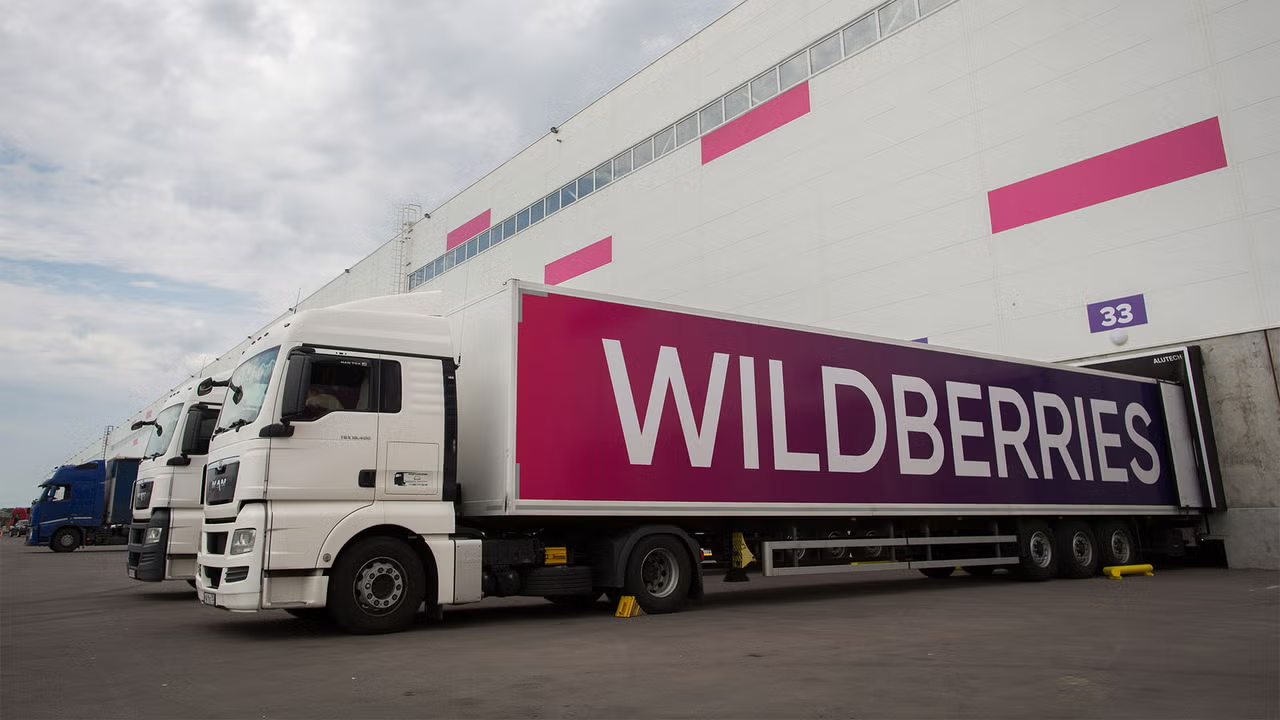
Unveiling Wildberries: A Leader in E-Commerce
In the realm of e-commerce giants, few platforms are as pivotal within their home markets as Wildberries is in Russia. Established in 2004 by Tatyana Kim, Wildberries has grown from a humble online retailer to the country’s largest e-commerce platform, often referred to as ‘Russia’s Amazon.’ Kim, who now stands as Russia’s richest woman with a net worth exceeding $8 billion, created a marketplace that reflects both innovation and resilience.
Wildberries operates on a hybrid model, combining direct sales with a marketplace approach that allows third-party sellers to reach customers through its extensive logistics network. With tens of thousands of pickup points scattered across Russia, it provides convenience and accessibility, selling an array of products from clothing and electronics to beauty items and tools. The platform has also ventured into financial services, offering digital wallets and banking options, thereby enhancing its ecosystem.
The Current Crisis: A Target of Conflict
However, the landscape for Wildberries has shifted dramatically in recent months. Amid the ongoing conflict between Ukraine and Russia, the e-commerce giant has found itself in the crosshairs. Reports indicate that since July, Ukrainian forces have targeted at least 23 of Wildberries’ warehouses, deploying drones to carry out these strikes. The consequences have been severe, resulting in the loss of lives and significant destruction of goods, with estimates suggesting around $5.9 billion worth of inventory has been compromised.
These developments highlight a chilling reality: private companies, even in the digital domain, are not insulated from the repercussions of geopolitical strife. Wildberries’ situation serves as a stark reminder of how intertwined commerce and conflict can become in the modern age.
Strategic Implications: Undermining a Marketplace
The rationale behind Ukraine’s targeting of Wildberries extends beyond mere economic disruption. Reportedly, the platform has been associated with the sale of military-related goods, including drone components utilized in military operations. While Wildberries has publicly stated that it prohibits the sale of weaponry and ammunition, the perception and implications of its inventory have made it a strategic target for Ukrainian forces.
This campaign against Wildberries is not only a tactical maneuver but could also have broader psychological ramifications. As the platform accounts for approximately 10% of Russia’s retail sales, disruptions in its operations might lead to a ripple effect, affecting consumer satisfaction and potentially fostering dissent among the Russian populace as daily life becomes increasingly chaotic due to the war.
A New Era of Warfare: The Intersection of Business and Military Strategy
The situation surrounding Wildberries raises profound questions about the evolving nature of warfare in the 21st century. The targeting of commercial entities is not an isolated occurrence; similar actions have been witnessed in other geopolitical contexts. Earlier this year, Iranian forces reportedly struck Amazon-owned data centers in the UAE, believing them to be integral to U.S. military operations. Such incidents illustrate a growing trend where businesses become direct participants in the geopolitical landscape, bearing the brunt of international conflicts.
Future Prospects: Navigating Uncertainty
As Wildberries navigates this tumultuous period, the future remains uncertain. The company’s ability to recover from the destruction and restore consumer confidence will be pivotal. Moreover, the implications of these attacks extend beyond mere market performance; they signal a shift in how businesses operate within geopolitically volatile environments. In Miami, where the intersection of global commerce and luxury lifestyle thrives, the narrative of Wildberries serves as a cautionary tale for businesses in similar high-stakes markets.
For leaders in the business community, understanding the vulnerabilities that accompany digital commerce in times of conflict will be crucial. As brands continue to expand their global footprints, the lessons learned from Wildberries’ experiences could inform strategies that prioritize resilience and adaptability amid unforeseen challenges.
Editorial note: This article was created by A Bit Lavish Miami’s Magazine as an original editorial reinterpretation based on publicly available reporting. Original source: fastcompany.com. Read the original article here: https://www.fastcompany.com/91590544/what-is-wildberries-russias-amazon-in-the-spotlight-as-ukraine-targets-e-commerce-giants-warehouses.
Images are used for editorial reference with source credit. If an image requires correction or removal, please contact A Bit Lavish.




Trump and AI CEOs Sign Voluntary Safety Pact to Address AI Risks
A significant agreement was reached between Trump and leading AI CEOs to...
 2 Mins read
Trump and AI Executives Sign Voluntary Safety Standards Agreement
The recent signing of a voluntary safety standards agreement between Trump and...
1 Mins read
Trump and AI CEOs Forge Safety Pact Amid Data Center Expansion
A significant agreement between Trump and leading AI CEOs aims to enhance...
2 Mins read
The New Age of School Photos: AI’s Role in Parental Economies
Explore how parents are leveraging AI technologies like ChatGPT to navigate the...
2 Mins read