
Trump Announces Diplomatic Breakthrough with Iran, Nuclear Concerns Remain Unaddressed
Former President Donald Trump has declared a significant diplomatic victory with Iran, following the announcement of a new agreement aimed at stabilizing relations between the two nations. This deal, however, conspicuously omits any commitments regarding Iran’s nuclear program, a point that is likely to provoke considerable international scrutiny and concern.
The agreement comes at a time when tensions in the Middle East are already heightened. Key players include not only the United States and Iran but also other regional stakeholders such as Saudi Arabia and Israel, who have historically viewed Iran’s nuclear ambitions as a direct threat to their national security. Trump’s assertions of success in negotiations may resonate positively with his political base, yet the lack of a framework addressing nuclear proliferation could lead to increased instability in a region already fraught with conflict.
This development matters now more than ever, as the global community is still reeling from the consequences of past nuclear negotiations. The absence of nuclear provisions in this latest agreement raises alarm bells among international observers who fear that it could embolden Iran to continue its nuclear advancements unchecked. The potential for a nuclear-armed Iran could undermine decades of diplomatic efforts aimed at preventing nuclear proliferation in the region.
Looking ahead, the implications of this deal could be profound. If Iran perceives this as a tacit approval of its nuclear program, it may accelerate its efforts to develop nuclear capabilities, prompting an arms race in the region. Conversely, if the international community, particularly European allies and China, can exert pressure on Iran to return to the negotiating table for a more comprehensive framework, there may still be a chance to avert a crisis. The coming weeks will be critical in determining the trajectory of U.S.-Iran relations and the broader geopolitical landscape.
Source: The Washington Post









Pope Leo XIV Remains Isolated at the Vatican Amidst Global Tensions
The isolation of Pope Leo XIV underscores the Vatican's precarious position in...
 1 Mins read
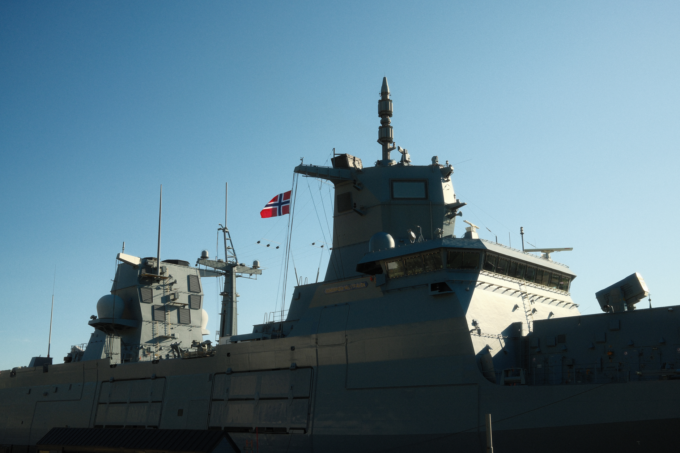
NATO Summit 2026 Addresses Defence Spending, Ukraine Crisis, and Iran Tensions
The NATO Summit 2026 is crucial as global security dynamics shift amid...
1 Mins read
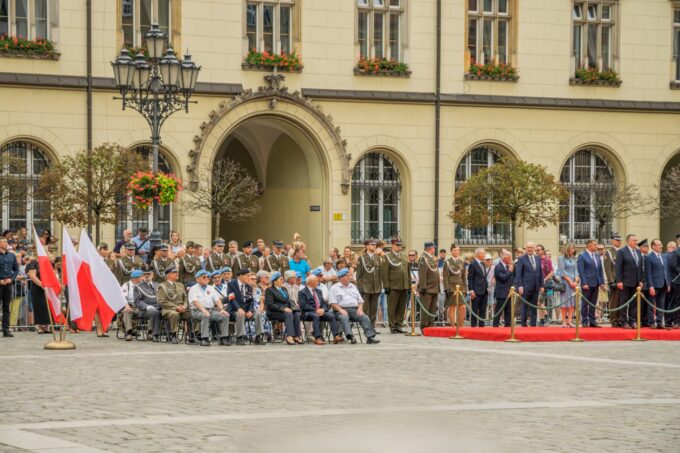
NATO Leaders Meet in Ankara to Discuss Ukraine Aid and Defense Spending
NATO's discussions in Ankara are pivotal as they shape global security dynamics...
1 Mins read
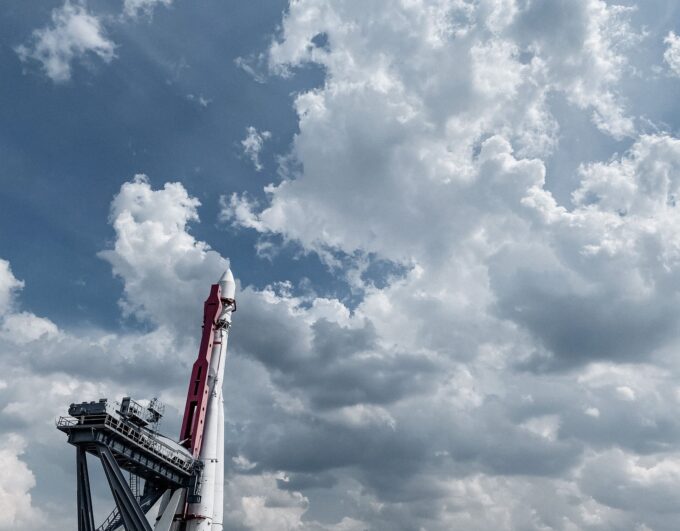


Russia Launches Strikes on Ukraine, Highlighting Air Defense Vulnerabilities Ahead of NATO Summit
The recent Russian strikes on Ukraine underscore critical air defense gaps, raising...
1 Mins read
