
Trump Claims Iran Seeks Talks with U.S.; Iranian Officials Deny Meeting Plans
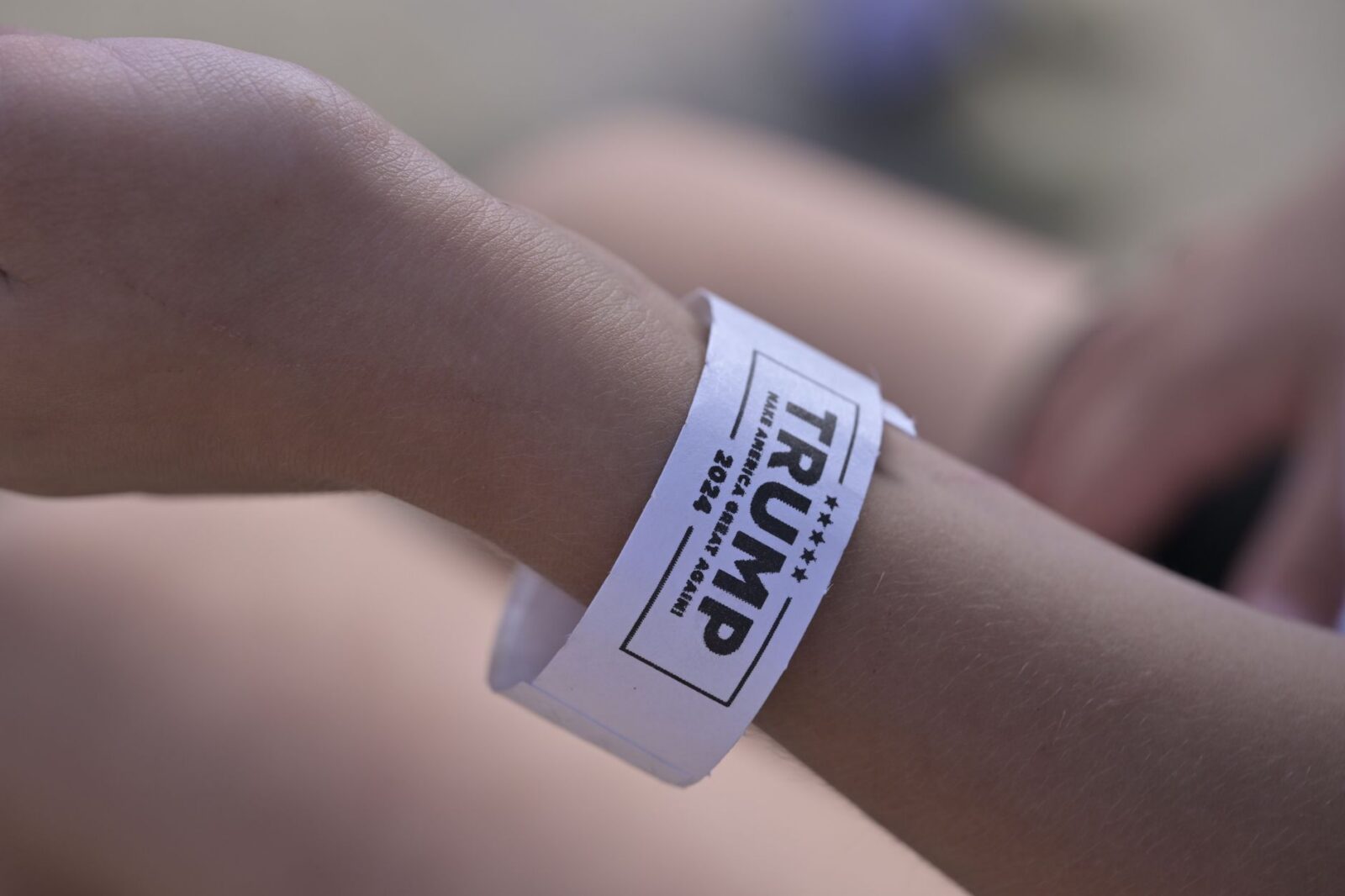
On June 29, 2026, former U.S. President Donald Trump stated that Iranian officials had expressed interest in initiating talks with the United States, suggesting a possible thaw in relations between the two nations. This assertion comes in the context of ongoing tensions in the Middle East, particularly regarding Iran’s nuclear program and its influence in the region. Trump’s comments were made during a public appearance, where he emphasized the importance of diplomacy over conflict.
However, Iranian officials quickly refuted Trump’s claims, stating that no meetings or discussions with U.S. representatives are currently planned. This official denial highlights the complexities of U.S.-Iran relations, which have been fraught with mistrust and hostility since the U.S. withdrew from the Joint Comprehensive Plan of Action (JCPOA) in 2018. The Iranian government has consistently maintained that any negotiations would require a return to the terms of the original nuclear agreement, a stance that complicates potential diplomatic overtures.
The global significance of this exchange cannot be overstated. The prospect of renewed talks between the U.S. and Iran holds implications for international energy markets, particularly as Iran is a key player in global oil production. Any escalation of tensions could further destabilize an already volatile region, leading to potential disruptions in oil supply and increased prices worldwide. Furthermore, the geopolitical landscape is influenced by various stakeholders, including European allies and Middle Eastern nations, who are closely monitoring these developments.
Looking ahead, the divergent narratives from Trump and Iranian officials suggest a continued impasse in negotiations. If diplomatic efforts do not materialize, the risk of heightened military confrontation in the region remains. Conversely, should both sides find common ground, it could lead to a significant shift in U.S.-Iran relations, with far-reaching consequences for global diplomacy and security.
Source: Haaretz









Russell Fry Positions Himself as Key Contender for Graham’s Senate Seat
Fry's candidacy could reshape the political landscape in South Carolina amid ongoing...
 1 Mins read

Republican Nominee Odds for 2028 Presidential Election Shift Significantly
The evolving dynamics of the 2028 Republican nomination process highlight the strategic...
1 Mins read
Mike Pence Advocates for U.S. Military Engagement in Ongoing Conflicts
Pence's call for military action underscores the shifting dynamics of U.S. foreign...
1 Mins read



CFL Player Jayden Dalke Dies at 30 Following Tragic Car Accident
The untimely death of Jayden Dalke underscores the urgent need for road...
1 Mins read
