
Trump Confirms Upcoming US-Iran Meeting in Doha Amidst Uncertainty
In a significant development, former President Donald Trump announced that the next meeting between the United States and Iran will take place in Doha, Qatar, on Tuesday. This announcement comes amid conflicting reports regarding the status and nature of the discussions, which are expected to address ongoing tensions between the two nations. The meeting is seen as a continuation of diplomatic efforts that have fluctuated in intensity since the 2021 resumption of talks aimed at addressing Iran’s nuclear program and regional activities.
The participants in this meeting include senior officials from the U.S. State Department and representatives from Iran’s foreign ministry. The choice of Doha as the venue underscores Qatar’s growing role as a mediator in Middle Eastern affairs, a position it has cultivated through its relationships with both Tehran and Washington. This meeting marks a crucial moment for U.S.-Iran relations, which have been fraught with challenges since the U.S. withdrawal from the Joint Comprehensive Plan of Action (JCPOA) in 2018.
This meeting is particularly significant as it occurs against the backdrop of heightened geopolitical tensions, including Iran’s continued uranium enrichment and its support for proxy groups across the region. The international community is closely monitoring these developments, as any shift in the U.S.-Iran dynamic could have far-reaching consequences for global energy markets, security alliances, and the broader Middle East peace process.
Looking ahead, the outcome of the Doha meeting may either pave the way for renewed negotiations or exacerbate existing tensions. Should the talks yield positive results, there could be a potential thaw in relations that might lead to a re-engagement with the JCPOA framework. Conversely, failure to reach a consensus could prompt further sanctions or military posturing, heightening risks of conflict in an already volatile region.
Source: The Times of Israel









Zac Thornton Secures First Career Win as Mets Defeat Brewers 4-0
Zac Thornton's debut victory underscores a pivotal moment for the New York...
 1 Mins read

FBI Director Undertakes Sensitive Mission to Russia Amid Heightened Tensions
The FBI chief's visit underscores critical U.S.-Russia relations and global security challenges.
1 Mins read

Rock Star Cites ‘War Economy’ in Postponement of Tour Amid Political Climate
The postponement of a major rock tour highlights the intersection of culture...
1 Mins read
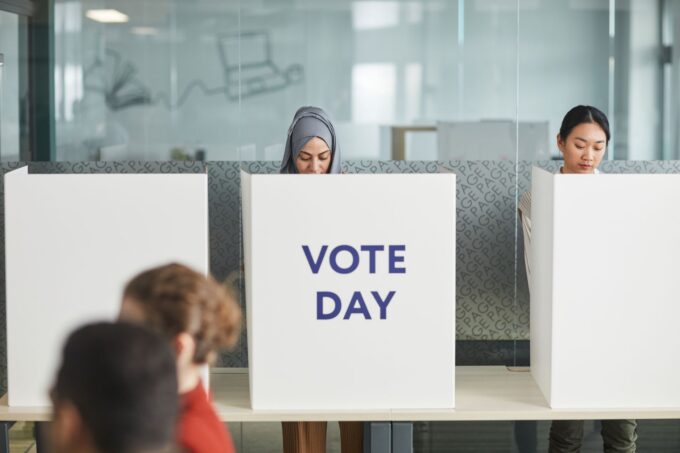


Allegations of Noncitizen Voter Registration Emerge in New Jersey
The integrity of electoral processes is under scrutiny as allegations of noncitizen...
1 Mins read
