
Trump Jokes About Self-Awarding Medal of Honor During White House Presentation
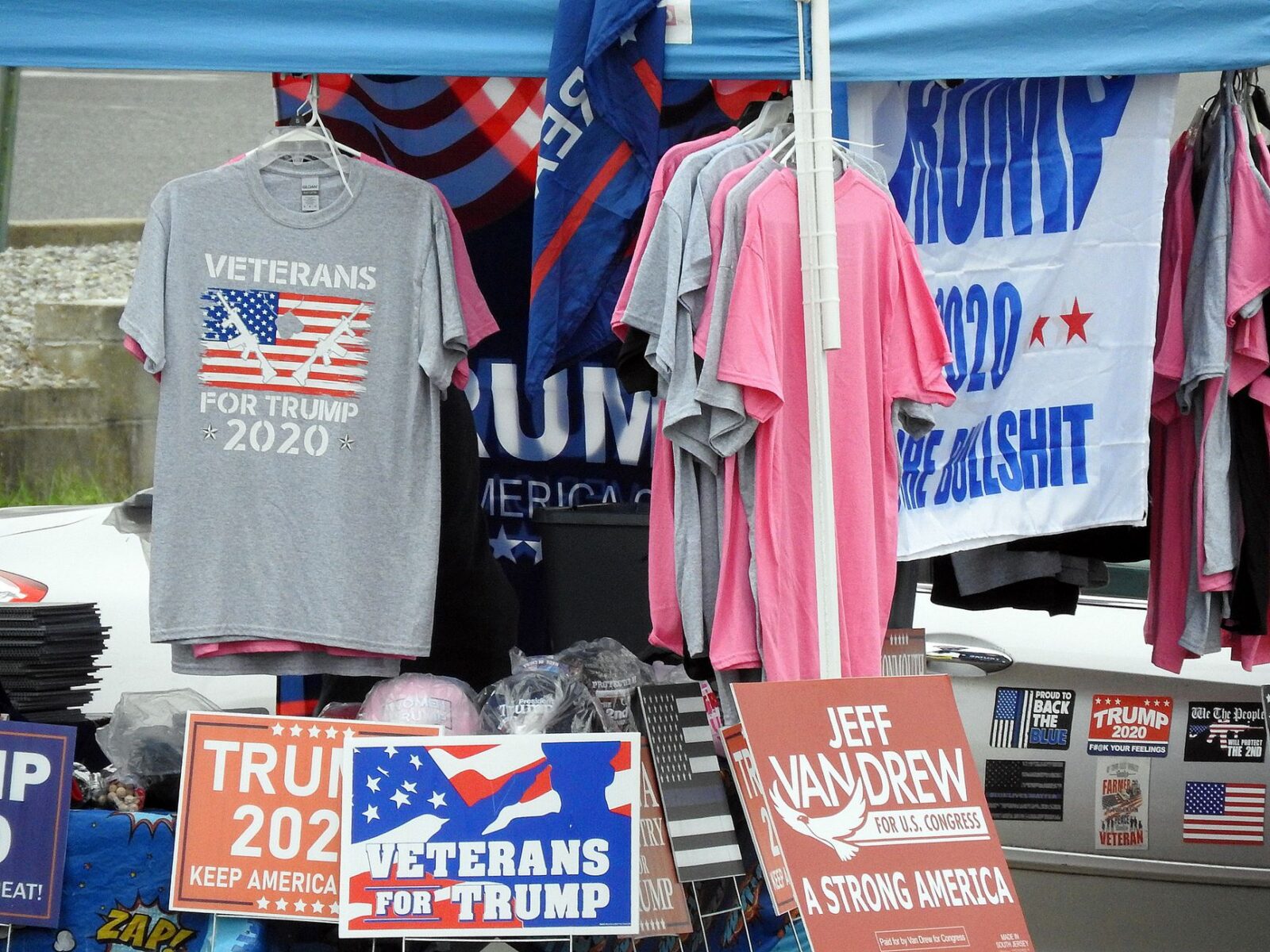
In a notable moment during a recent White House presentation, former President Donald Trump humorously suggested that he contemplated awarding himself the Medal of Honor. This comment was made as he participated in an event honoring veterans, an occasion that typically underscores the gravity and respect associated with military service.
Trump, who has consistently maintained a strong influence over the Republican Party and its voter base, made the remark in a light-hearted manner, yet it raises significant concerns about the perception of military honors and the seriousness with which they are regarded. The Medal of Honor, the highest military decoration awarded by the United States government, is reserved for acts of valor and heroism in combat. By joking about self-awarding this prestigious accolade, Trump not only trivializes its significance but also reflects a broader trend of political leaders engaging in behavior that blurs the lines between respect for military institutions and personal branding.
This incident matters globally as it touches upon themes of leadership accountability and the integrity of national symbols. The United States, often viewed as a beacon of democratic values, faces scrutiny when its leaders make light of such serious matters. The implications extend beyond national borders, affecting how U.S. allies and adversaries perceive American leadership and its commitment to honoring military service.
Looking ahead, this lighthearted quip may resonate with Trump’s base, reinforcing his populist image, but it also risks alienating more traditional conservative voters who hold military honors in high esteem. As the political landscape evolves leading into the 2026 midterm elections, the ramifications of such remarks could play a crucial role in shaping voter sentiment and party dynamics.
Source: MSN









Devin Williams Discusses Overcoming Challenges from Toronto’s Lineup
Devin Williams' insights on navigating Toronto's tough roster highlight the strategic complexities...
 1 Mins read

Nancy Mace Positions Herself as Potential Successor to Lindsey Graham Amidst Political Shift
Mace's potential campaign could reshape the Republican landscape and influence national policy...
1 Mins read

Darline Graham Sworn into Senate, Marks Historic Transition for South Carolina Politics
Darline Graham's ascension to the Senate signifies a pivotal moment in U.S....
1 Mins read



Lindsey Graham’s Sister Sworn in as South Carolina’s First Female Senator
The appointment of Lindsey Graham's sister to the Senate marks a significant...
1 Mins read
