
Trump Proposes Permanent UFC Arena at White House, Drawing Global Attention
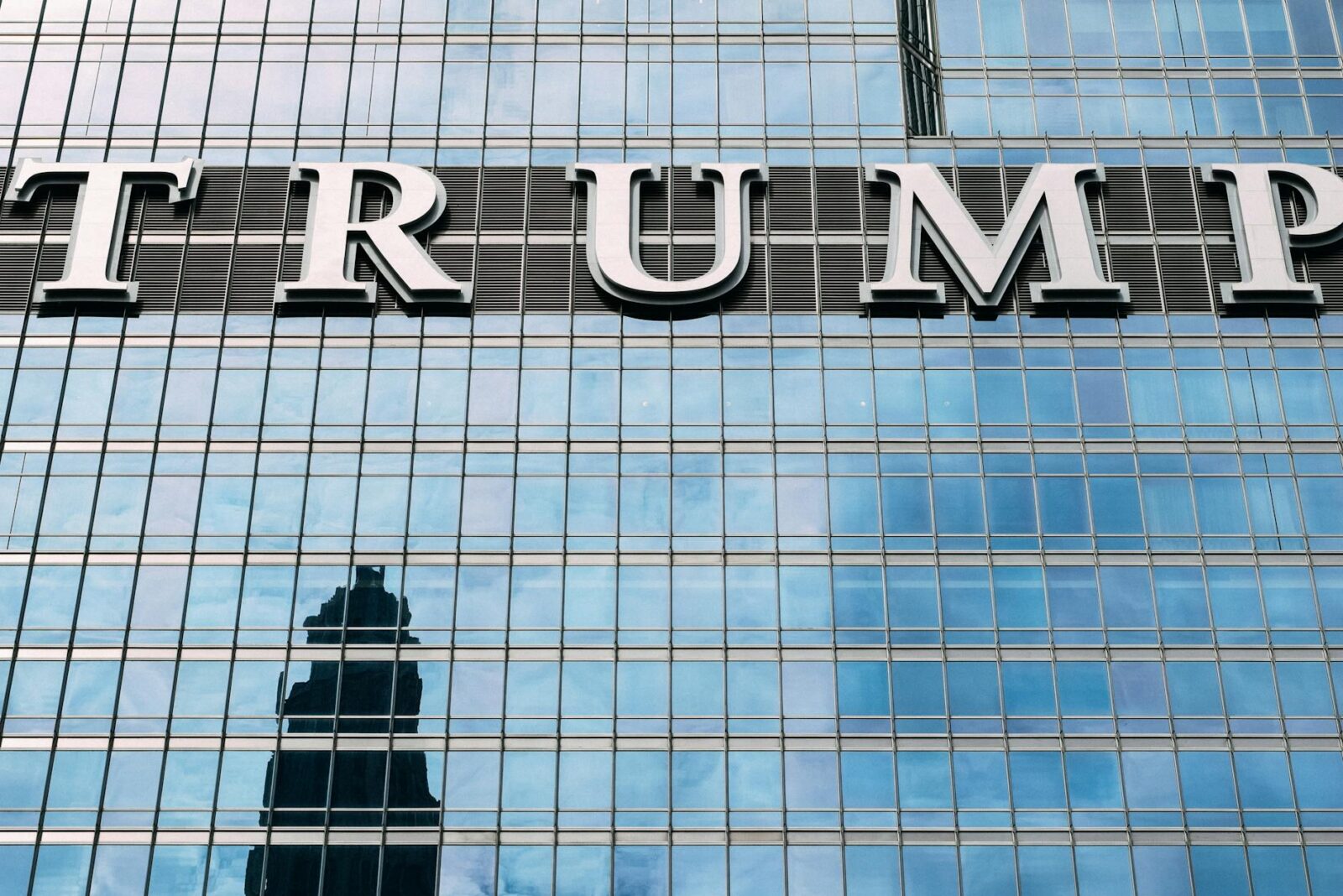
In a bold statement on June 4, 2026, former President Donald Trump suggested the establishment of a permanent UFC arena at the White House, likening its significance to that of the Eiffel Tower in Paris. This announcement is part of a broader strategy to intertwine sports with political branding, a move that could reshape public engagement in both arenas.
Trump’s remarks were made during a promotional event for the Ultimate Fighting Championship (UFC), where he emphasized the potential for the arena to serve as a venue for high-profile matches, attracting international attention and tourism. The proposal has stirred considerable debate among political figures, sports analysts, and cultural commentators, who are scrutinizing the implications of such a venture. Trump’s comparison of the arena to the Eiffel Tower underscores his intent to elevate the UFC’s status and its cultural relevance, potentially positioning the White House as a center for entertainment.
This development is significant not only due to the intersection of sports and politics but also because it reflects a growing trend of celebrity influence on governance. As countries grapple with issues of national identity and cultural representation, Trump’s initiative may set a precedent for how leaders engage with popular culture to galvanize support and foster national pride.
Looking ahead, the proposal could lead to a series of legislative and logistical challenges, including zoning laws, public funding debates, and security concerns surrounding the White House. Should this initiative advance, it may encourage other nations to consider similar collaborations between government institutions and sports organizations, further blurring the lines between politics and entertainment on the global stage.
Source: DC News Now









Devin Williams Discusses Overcoming Challenges from Toronto’s Lineup
Devin Williams' insights on navigating Toronto's tough roster highlight the strategic complexities...
 1 Mins read

Nancy Mace Positions Herself as Potential Successor to Lindsey Graham Amidst Political Shift
Mace's potential campaign could reshape the Republican landscape and influence national policy...
1 Mins read
Darline Graham Sworn into Senate, Marks Historic Transition for South Carolina Politics
Darline Graham's ascension to the Senate signifies a pivotal moment in U.S....
1 Mins read



Lindsey Graham’s Sister Sworn in as South Carolina’s First Female Senator
The appointment of Lindsey Graham's sister to the Senate marks a significant...
1 Mins read
