
Trump Unveils Drone Port at White House to Enhance National Security
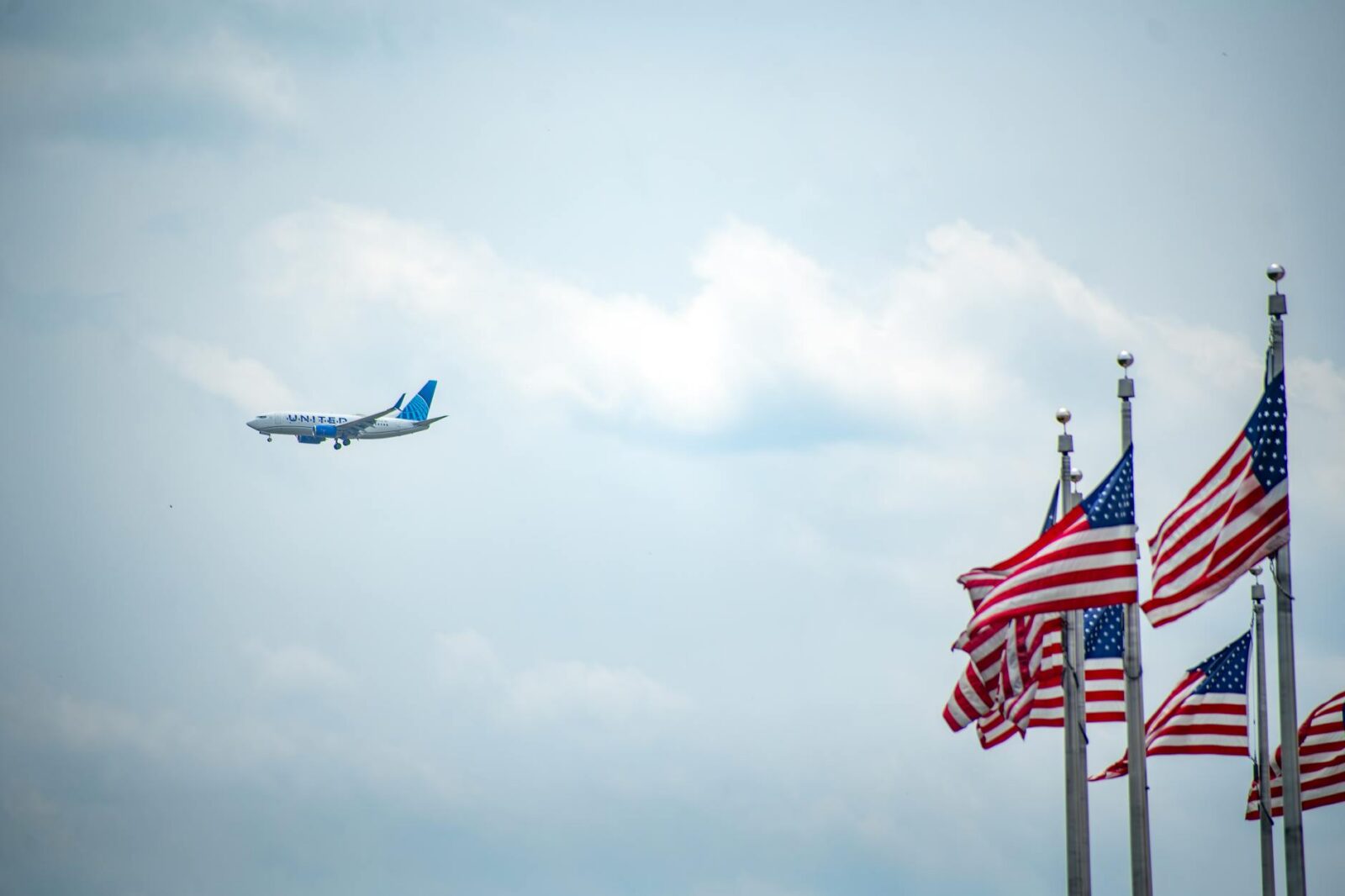
In a significant announcement on May 31, 2026, former President Donald Trump revealed plans for a drone port at the White House, aimed at bolstering security measures around the U.S. capital. This initiative comes in response to escalating threats and the evolving nature of warfare, which Trump stated can no longer be addressed solely with conventional arms such as rifles. The drone port is expected to facilitate advanced surveillance and rapid response capabilities, aligning with modern defense strategies that emphasize technology over traditional military approaches.
The move has drawn attention not only for its ambitious scope but also for its implications on national and global security frameworks. As the world grapples with increasing geopolitical tensions, particularly regarding cybersecurity and drone warfare, the establishment of this facility underscores a pivot towards integrating unmanned aerial systems into defense protocols. Trump’s assertion that the U.S. must adapt to these changing dynamics highlights a crucial inflection point in military strategy, one that other nations will likely observe closely.
This development resonates with ongoing global discussions about the militarization of technology and the ethical considerations surrounding drone usage. Countries like China and Russia have already made significant advancements in drone technology, and the U.S. initiative may prompt a renewed arms race in aerial capabilities. Furthermore, as the international community debates the regulations governing drone warfare, the U.S. positioning itself as a leader in this domain could influence diplomatic relations and defense alliances.
Looking ahead, the operationalization of the drone port will likely spark a series of legislative and military reviews concerning drone deployment and oversight. The potential for increased surveillance raises critical questions about privacy and civil liberties, which could ignite public debate within the U.S. and beyond. As Trump’s administration pushes forward with this initiative, stakeholders from various sectors, including defense contractors, lawmakers, and civil rights advocates, will need to engage in discourse to navigate the complexities of this new chapter in national security.
Source: The Australian







Traditionalist Catholics Challenge Pope Leo XIV’s Authority, Embrace Outsider Identity
The growing rift among traditionalist Catholics signifies a pivotal moment in the...
 1 Mins read

Pope Leo XIV Opens Consistory, Urges Cardinals to Foster Global Unity in Faith
Pope Leo XIV's call for unity among cardinals underscores the Catholic Church's...
1 Mins read

Cardinals Consider Replacing ‘Just War’ Doctrine with ‘Proportional Defense’ Framework
The potential shift from 'just war' to 'proportional defense' could redefine Catholic...
1 Mins read


Pope Appoints Former Undocumented Migrant as Bishop in the United States
This historic appointment highlights the Catholic Church's stance on immigration and inclusion,...
1 Mins read