
Typhoon Dujuan Hits Japan, Urging Evacuations for 1.6 Million
TOKYO — September 21, 2026
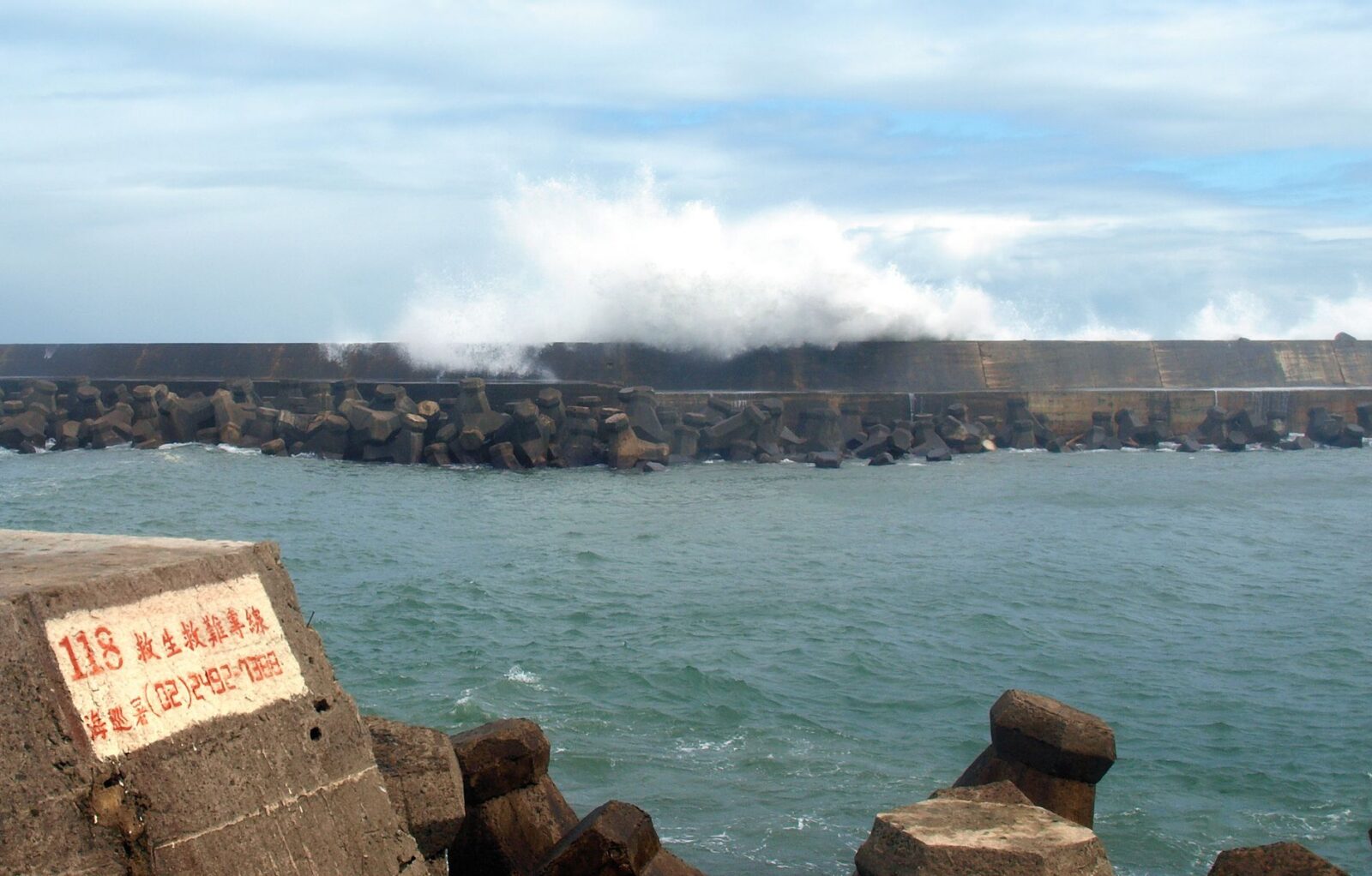
Typhoon Dujuan has struck Japan, leading to the urgent evacuation of approximately 1.6 million people as the storm unleashes heavy rains and powerful winds across the region. The Japan Meteorological Agency (JMA) has issued severe weather warnings, particularly for Tokyo and surrounding prefectures, where the impact of the typhoon is expected to be most severe.
The typhoon made landfall early on September 21, 2026, and has since been moving northeastward, causing significant disruptions in transportation and daily life. Authorities have activated emergency response protocols, urging residents in vulnerable areas to evacuate to designated shelters. The JMA has reported wind gusts exceeding 180 kilometers per hour (approximately 112 miles per hour) and rainfall amounts that could reach up to 300 millimeters (about 12 inches) in some areas.
The evacuation orders were issued as a precautionary measure, with local governments emphasizing the need for residents to prioritize their safety. In Tokyo, public transportation services, including trains and buses, have been suspended, and schools have closed in anticipation of the storm’s impact. The Tokyo Metropolitan Government has set up emergency shelters to accommodate those displaced by the evacuation orders.
This development follows a series of typhoons that have impacted Japan in recent years, raising concerns about climate change and its effects on weather patterns in the region. The increasing frequency and intensity of such storms have prompted discussions among policymakers regarding disaster preparedness and infrastructure resilience.
The significance of Typhoon Dujuan’s impact is underscored by the scale of the evacuation and the potential for widespread damage. The economic implications could be substantial, particularly in a city like Tokyo, which is a global financial hub. Businesses are bracing for disruptions, and the cost of recovery and rebuilding could strain local and national resources.
As the situation develops, authorities will continue to monitor the storm’s path and provide updates to the public. The JMA is expected to hold press briefings throughout the day to inform residents about ongoing weather conditions and safety measures. The immediate focus remains on ensuring the safety of those affected and minimizing the potential for loss of life and property.
Looking ahead, the trajectory of Typhoon Dujuan will be closely watched, with forecasts indicating that it may weaken as it moves further inland. However, the potential for heavy rainfall and flooding remains a critical concern. Emergency services are on high alert, ready to respond to any incidents that may arise as the storm progresses.
Source: streamlinefeed.co.ke









Hurricane Isaias Makes Landfall in Florida, Bringing Severe Weather to Gulf Coast
Hurricane Isaias has made landfall in Florida, causing significant public safety concerns...
 2 Mins read

Navi Pillay Awarded Nobel Peace Prize for War Crimes Investigations
Navi Pillay's Nobel Peace Prize recognition underscores the critical importance of accountability...
2 Mins read

Powerful Earthquakes Strike Southern Panama, Prompting Evacuations and Government Response
Two significant earthquakes measuring 7.7 and 6.6 magnitude have struck southern Panama,...
1 Mins read



NOAA Predicts Moderate Geomagnetic Storms on October 11, 2026
The National Oceanic and Atmospheric Administration forecasts moderate geomagnetic storms, which could...
1 Mins read
