
U.S. Military Strikes Alleged Drug Traffickers in the Pacific, Killing Three
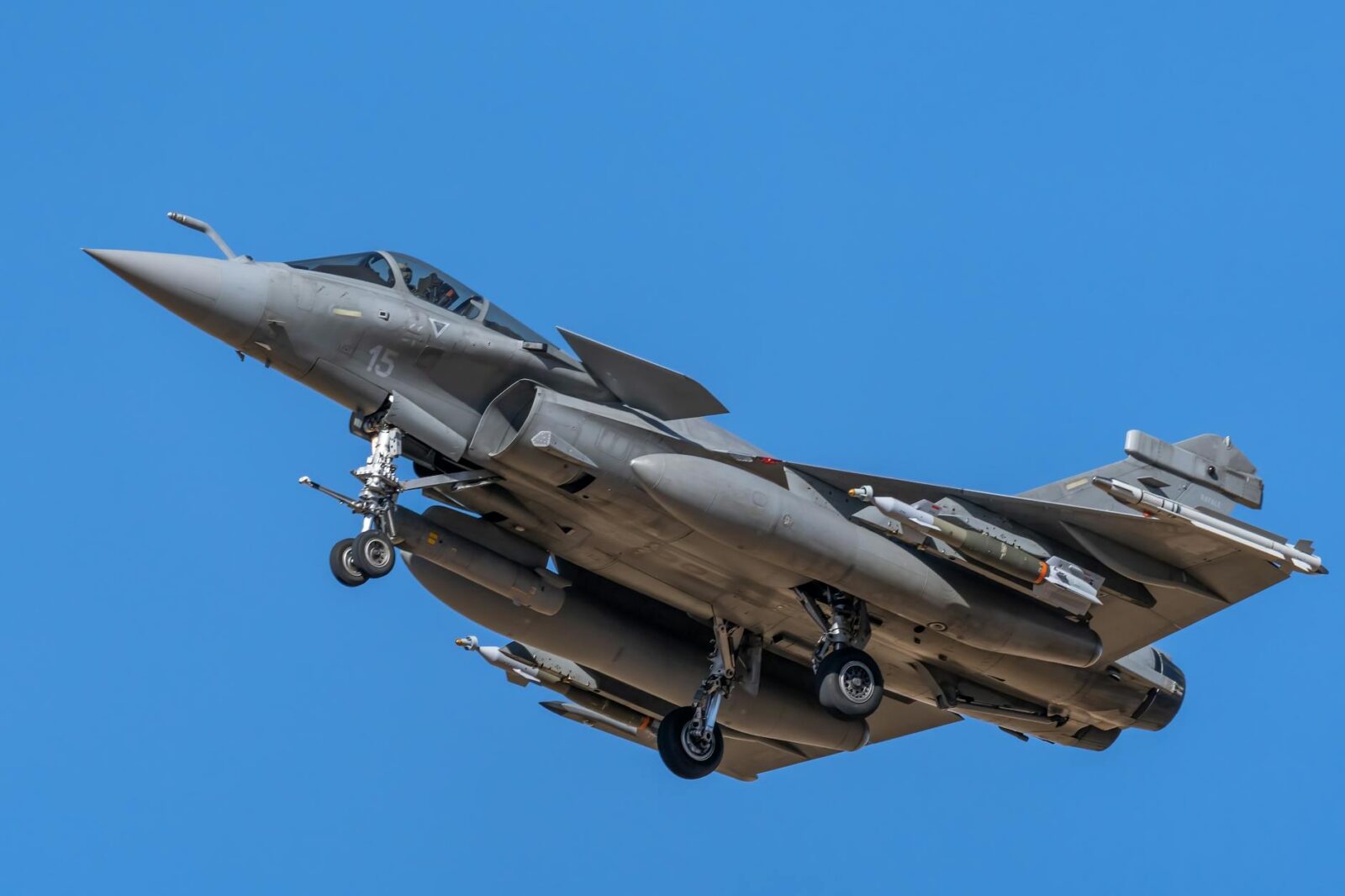
On May 31, 2026, a U.S. military strike targeting an alleged drug trafficking vessel in the Pacific Ocean resulted in the deaths of three individuals onboard. This incident marks the fourth such military engagement this week, reflecting a significant uptick in U.S. operations aimed at disrupting drug smuggling routes that have become increasingly active in these international waters.
The U.S. Southern Command confirmed the strike, emphasizing its commitment to combating drug trafficking networks that threaten both American security and the stability of regional nations. The vessel, reportedly linked to organized crime syndicates, was intercepted and engaged after intelligence indicated it was transporting a substantial cargo of illicit narcotics. The identities of the deceased have not been released, but the operation underscores the complexities involved in maritime law enforcement and the dangers posed by drug cartels.
This escalation is particularly significant as it reflects a proactive stance by the U.S. military, which has faced criticism over its engagement rules and the effectiveness of its anti-drug operations. The increased frequency of strikes could indicate a strategic pivot in U.S. policy, particularly as drug-related violence continues to escalate across Latin America, impacting not only the United States but also its neighbors in the region.
Looking ahead, this pattern of military intervention could lead to heightened tensions between the U.S. and nations whose waters are being patrolled, raising questions about sovereignty and international law. Furthermore, it may provoke retaliatory actions from drug cartels, potentially escalating violence on both sides. As the U.S. intensifies its counter-narcotics efforts, global leaders and policymakers must consider the broader implications of such military actions on international relations and regional stability.
Source: NPR










PAG Maintains Overweight Rating with Price Target Adjustment to $220
This adjustment signals confidence in PAG's growth potential, impacting investor sentiment and...
 1 Mins read

EchoPark Emerges as Beacon of Hope for Superspeedways Amid NASCAR’s Evolution
The transition to EchoPark signifies a pivotal moment for NASCAR's future and...
1 Mins read
New York Mets Mid-Season Player Evaluations Highlight Team’s Strategic Challenges
The New York Mets' mid-season evaluations underscore critical decisions facing the franchise...
1 Mins read



Lindsey Graham’s Sister Appointed to U.S. Senate Amid GOP Efforts to Solidify Majority
The appointment of Lindsey Graham's sister to the Senate underscores the GOP's...
1 Mins read
