
UAE Activates Air-Defense Systems Amid Escalating Missile Threats in the Gulf Region
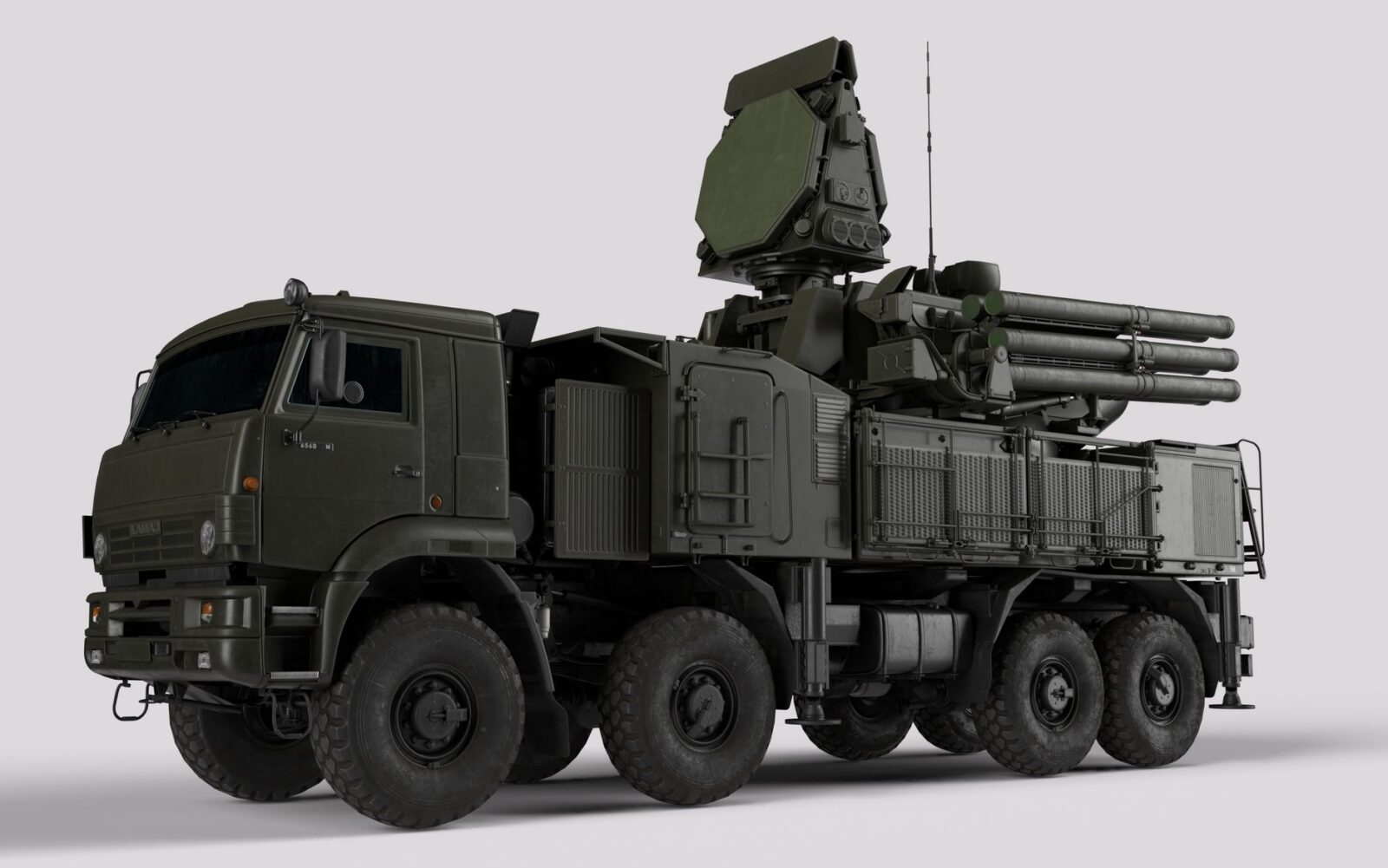
On July 12, 2026, the United Arab Emirates (UAE) announced the activation of its air-defense systems in response to increasing missile threats in the Gulf region. This development comes amid rising tensions attributed to geopolitical rivalries and ongoing conflicts involving various state and non-state actors in the area.
The UAE’s decision to bolster its air defenses is particularly significant given the strategic importance of the Gulf region, which serves as a critical artery for global oil shipments and trade. The UAE’s military actions are closely linked to the security dynamics involving Iran, which has been accused of supporting proxy groups that pose a threat to the UAE and its allies. This activation reflects the UAE’s commitment to safeguarding its national sovereignty and protecting its citizens in an increasingly volatile environment.
This situation matters not only for the UAE but also for international stakeholders, including global energy markets and allied nations. The Gulf region’s stability is vital for maintaining the flow of oil, with any disruptions potentially leading to significant economic repercussions worldwide. Furthermore, the activation of air-defense systems could prompt a recalibration of military strategies among Gulf Cooperation Council (GCC) states, potentially leading to an arms race or increased military collaboration among regional powers.
Looking ahead, the UAE’s actions may lead to heightened military readiness and increased cooperation with allies, particularly the United States, which has a significant military presence in the region. However, there is also the risk of escalation, as adversarial states may respond with their own military posturing or retaliatory measures. The situation remains fluid, and continued monitoring of diplomatic communications and military developments will be essential for understanding the evolving security landscape in the Gulf.
Source: Crypto Briefing










Labrador Appeals Ruling on Idaho Abortion Ban, Seeks Court Stay
The appeal by Idaho's Attorney General underscores the ongoing national debate over...
 1 Mins read

AI Innovations Transform Court Systems Worldwide
The integration of AI technologies in judicial processes is reshaping legal frameworks...
1 Mins read

Senate Democrats Challenge USDA on Beef Export Data Discrepancies
The USDA's revised beef export figures raise concerns about market transparency and...
1 Mins read



Michigan Senate Race Intensifies Post-Primary as Candidates Gear Up for November
The Michigan Senate race is pivotal, reflecting broader national trends in voter...
1 Mins read
