

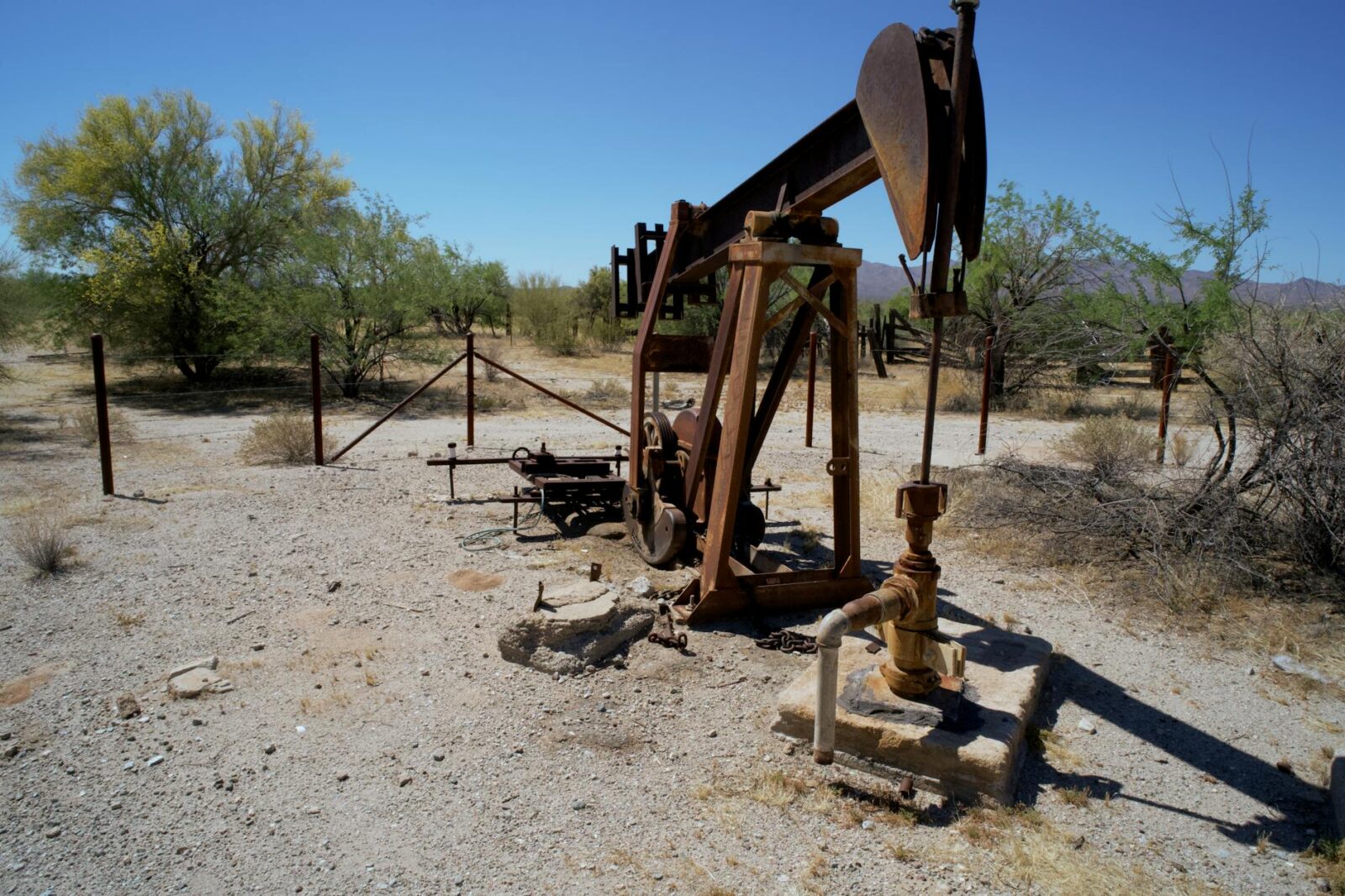
In a dramatic turn of events, the United Arab Emirates (UAE) has reported a reduction of more than 50% in its crude oil production, a consequence of the recent closure of the strategically vital Strait of Hormuz. This narrow waterway, through which approximately 20% of the world’s oil supply is transported, has become a focal point of geopolitical tension, leading to immediate operational shutdowns across UAE’s oil fields.
The UAE’s National Oil Company (ADNOC) confirmed that production has been curtailed significantly as a direct response to security concerns stemming from heightened military activities in the region. This decline marks one of the most substantial production cuts in recent history for the UAE, which is one of the leading members of the Organization of the Petroleum Exporting Countries (OPEC). As of the latest reports, the country’s output has fallen from around 3 million barrels per day to approximately 1.4 million barrels, severely impacting global oil markets.
This situation is critical not only for the UAE but also for global energy stability. The reduction in supply is likely to lead to an increase in oil prices, which could reverberate throughout the global economy. Investors and governments worldwide are keeping a close watch on this development, as continued disruptions could exacerbate inflationary pressures already affecting many economies. The energy sector, in particular, is poised for volatility, with analysts predicting potential spikes in crude prices if the situation escalates further.
Looking ahead, the international community must prepare for potential ramifications. Should the closure of the Strait of Hormuz persist, it could prompt a reevaluation of energy strategies among major oil-importing nations, including China and the United States. Furthermore, diplomatic efforts to de-escalate tensions in the region may intensify, as countries recognize the critical importance of maintaining unimpeded access to energy supplies. The coming days will be pivotal in determining both the immediate and long-term impacts of this significant disruption in the UAE’s oil production.
Source: EnergyNow









Devin Williams Discusses Overcoming Challenges from Toronto’s Lineup
Devin Williams' insights on navigating Toronto's tough roster highlight the strategic complexities...
 1 Mins read

Nancy Mace Positions Herself as Potential Successor to Lindsey Graham Amidst Political Shift
Mace's potential campaign could reshape the Republican landscape and influence national policy...
1 Mins read

Darline Graham Sworn into Senate, Marks Historic Transition for South Carolina Politics
Darline Graham's ascension to the Senate signifies a pivotal moment in U.S....
1 Mins read



Lindsey Graham’s Sister Sworn in as South Carolina’s First Female Senator
The appointment of Lindsey Graham's sister to the Senate marks a significant...
1 Mins read
