
Uber Reverses Policy on Disability Charges Amid Global Scrutiny

In a significant policy shift, Uber announced on July 17, 2026, that it will no longer impose additional charges for riders with disabilities. This decision comes in response to mounting pressure from advocacy groups and regulatory bodies globally, highlighting the need for equitable transportation options for all individuals, regardless of physical ability.
The announcement, made by Uber’s CEO Dara Khosrowshahi during a press conference in San Francisco, follows an extensive review of the company’s pricing structure and its impact on disabled riders. Advocacy organizations such as the American Association of People with Disabilities (AAPD) had previously criticized the company for its discriminatory pricing practices, which they argued violated principles of inclusivity and accessibility.
This development matters not only for Uber’s business model but also for the broader conversation around corporate accountability and social equity. By abolishing these charges, Uber is taking a decisive step towards aligning its practices with contemporary standards of social justice and inclusivity, setting a precedent for other ride-sharing services and industries at large.
Looking ahead, this decision may prompt similar actions from competitors, potentially reshaping the landscape of transportation services. Moreover, it could lead to increased scrutiny from regulatory authorities as they assess the implications of such policies on the rights of disabled individuals. If Uber’s actions resonate positively, they may inspire further reforms in other sectors, reinforcing the importance of accessibility in modern business practices.
Source: ABC News & Headlines – Australian Broadcasting Corporation







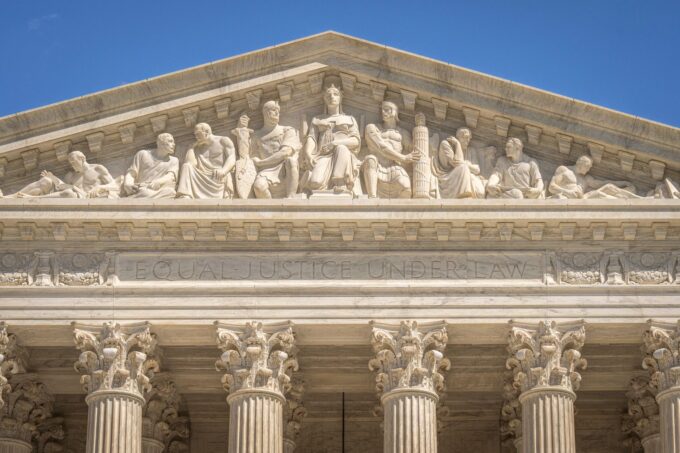
Trump Seeks Supreme Court Approval to Resume White House Ballroom Construction Amid Legal Appeal
This case highlights ongoing tensions between presidential authority and judicial oversight, impacting...
 1 Mins read

Flanagan Urged to Act Swiftly to Retain Native American Senator Title Amidst Concha’s Remarks
Political tensions rise as Joe Concha warns Flanagan about losing her Native...
1 Mins read
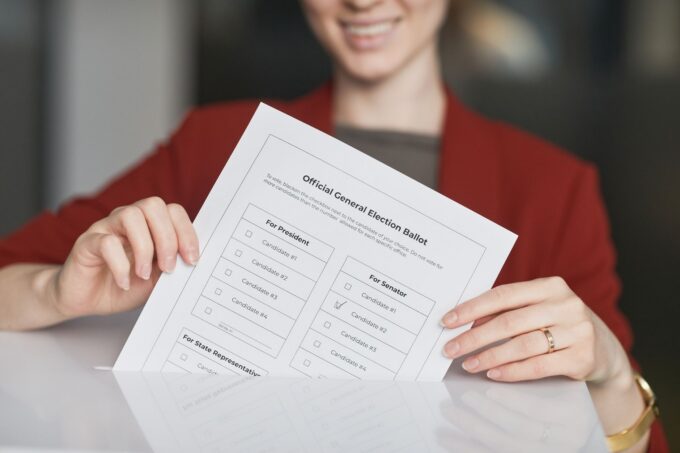
Michigan Senate Race Tightens Following El-Sayed Primary Victory
The competitive landscape of Michigan's Senate race shifts as new polling reveals...
1 Mins read



Andy Beshear Criticizes Senate Dysfunction Amid Mitch McConnell’s Prolonged Absence
The absence of Mitch McConnell raises concerns over Senate effectiveness and governance...
1 Mins read