
Ukraine’s Drone Offensive Intensifies Water Crisis in Crimea
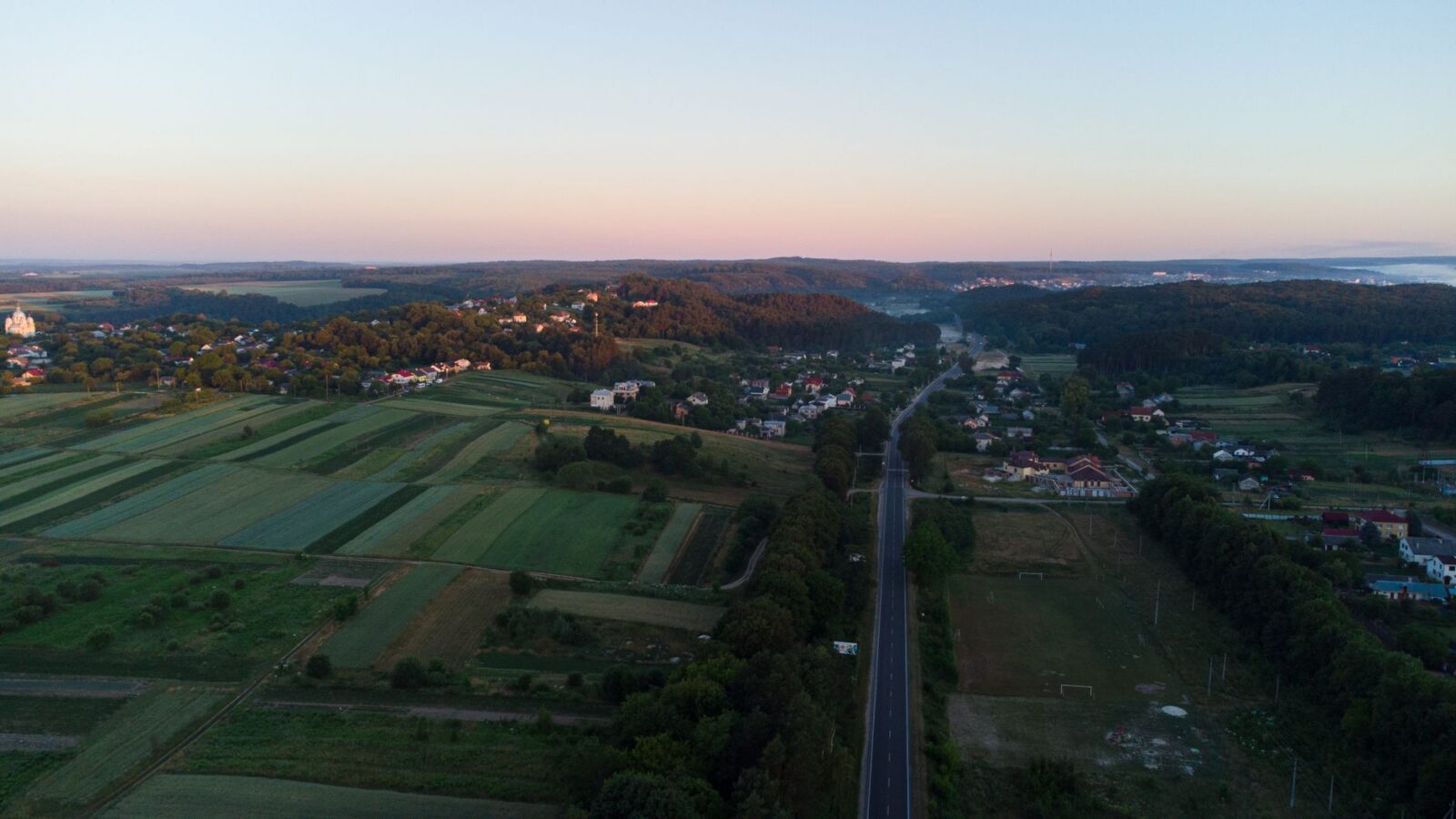
As of June 21, 2026, Crimea is facing a severe water crisis, exacerbated by Ukraine’s intensified drone operations targeting Russian military installations on the peninsula. The Ukrainian government has ramped up its drone warfare in response to the ongoing occupation of Crimea by Russia, which began in 2014. This strategy has not only aimed at military objectives but has inadvertently contributed to a critical shortage of water resources in the region, vital for both civilian and military needs.
The involvement of Ukraine in this conflict is marked by its use of advanced drone technology, which has been increasingly effective in striking Russian supply lines and infrastructure. Reports indicate that the drone strikes have led to significant disruptions in water supply systems, compounding the already precarious situation due to the peninsula’s reliance on a limited freshwater supply. As a result, many areas in Crimea are now facing severe restrictions on water usage, prompting an urgent humanitarian crisis.
This situation matters on a global scale as it highlights the broader implications of the Ukraine-Russia conflict, particularly in terms of regional stability and international security. The water crisis in Crimea could lead to increased tensions not only between Ukraine and Russia but also among global powers involved in the region. Furthermore, the humanitarian implications of water scarcity could provoke international responses, including potential sanctions or aid initiatives aimed at alleviating the suffering of the civilian population.
Looking ahead, the ongoing drone warfare and the resultant water crisis may prompt Russia to escalate its military operations in an attempt to secure water resources, further destabilizing the region. Alternatively, this crisis may galvanize international diplomatic efforts to address the humanitarian needs in Crimea, potentially leading to negotiations that could reshape the geopolitical landscape in Eastern Europe.
Source: London Business News








Devin Williams Discusses Overcoming Challenges from Toronto’s Lineup
Devin Williams' insights on navigating Toronto's tough roster highlight the strategic complexities...
 1 Mins read

Nancy Mace Positions Herself as Potential Successor to Lindsey Graham Amidst Political Shift
Mace's potential campaign could reshape the Republican landscape and influence national policy...
1 Mins read

Darline Graham Sworn into Senate, Marks Historic Transition for South Carolina Politics
Darline Graham's ascension to the Senate signifies a pivotal moment in U.S....
1 Mins read



Lindsey Graham’s Sister Sworn in as South Carolina’s First Female Senator
The appointment of Lindsey Graham's sister to the Senate marks a significant...
1 Mins read