
Unearthing History: The Colonial Relics of Lima’s Holy Spirit Hospital
A Journey Through Time
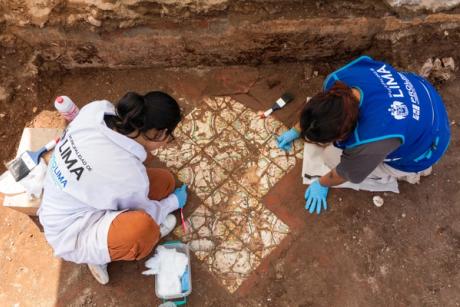
In the heart of Lima, Peru, a remarkable archaeological discovery has surfaced, revealing the remnants of the Hospital and Church of the Holy Spirit. This find not only captivates historians and archeologists but also enriches the tapestry of Lima’s colonial past. As excavators sift through layers of time, the walls, floors, and intricate tiles of the 18th century speak to an era of profound cultural significance.
The Architectural Echoes of the Past
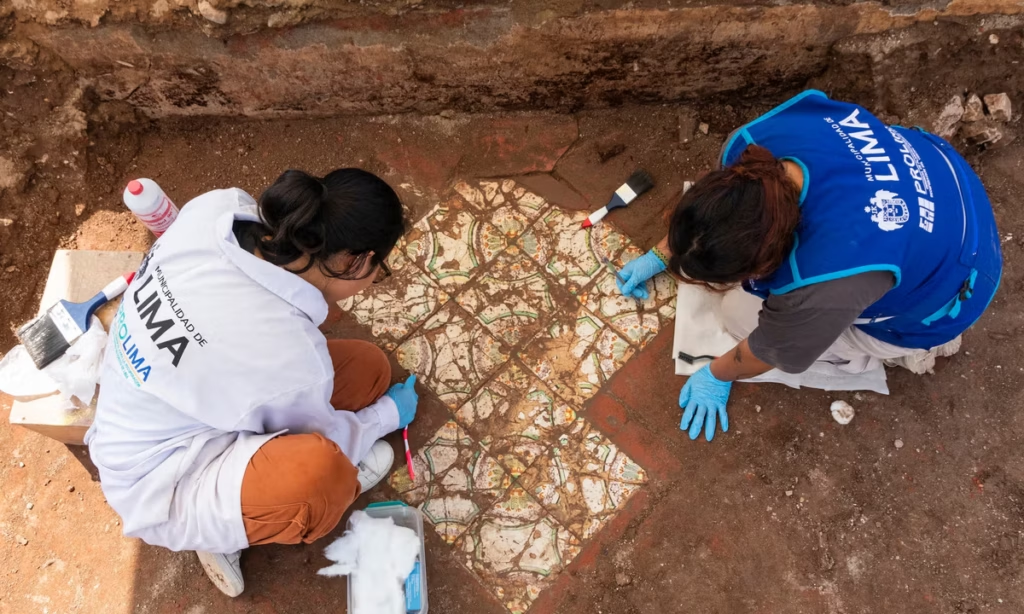
The unearthed structures are a testament to the architectural prowess of the colonial period, characterized by their robust designs and meticulous craftsmanship. The remains of the hospital and church illuminate the artistic choices of their time, showcasing a blend of European influences and local traditions. The 18th-century tiles, adorned with intricate patterns, not only serve as decorative elements but also as artifacts of the cultural exchanges that defined colonial life.
Human Narratives Embedded in the Earth
Among the most poignant discoveries are the human burials found within the site. These remains offer a glimpse into the lives of those who once sought solace and care within the hospital’s walls. The existence of these burials encourages a deeper reflection on the historical context of health and spirituality in colonial society. It invites questions about the social hierarchies and the roles individuals played in their communities, revealing the human stories interwoven with the fabric of Lima’s history.
Provenance and Market Significance
As with any significant archaeological find, the implications extend beyond mere historical interest. The remnants of the Hospital and Church of the Holy Spirit hold intrinsic value for collectors and investors alike. As the art market increasingly turns its gaze toward provenance and cultural heritage, such discoveries enhance the narrative surrounding the artifacts from this period. Collectors are increasingly keen on acquiring pieces that not only hold aesthetic appeal but also carry a rich history—transforming them into vessels of both investment and education.
Bridging Cultures: The Legacy of Colonial Artifacts
The relevance of these findings extends to Miami’s vibrant art scene, where the fusion of cultures is celebrated. The legacy of colonial artifacts resonates with local collectors and art enthusiasts who appreciate the intricacies of cultural narratives. As Miami continues to position itself as a global art hub, the stories told through these relics encourage dialogue about identity, heritage, and the shared human experience.
Reflecting on the Past to Shape the Future
The discovery of the Holy Spirit Hospital and Church remains is more than an archaeological triumph; it is a reminder of the stories that lie beneath our feet, waiting to be uncovered. As we honor the past, we also pave the way for future generations to understand the complexity of their heritage. This intersection of history, art, and investment is a powerful narrative that continues to evolve, inviting us all to engage with the cultural legacies that shape our world.
Editorial note: This article was created by A Bit Lavish Miami’s Magazine as an original editorial reinterpretation based on publicly available reporting. Original source: theartnewspaper.com. Read the original article here: https://www.theartnewspaper.com/2026/08/10/remains-colonial-hospital-discovered-luma.
Images are used for editorial reference with source credit. If an image requires correction or removal, please contact A Bit Lavish.




A Cultural Renaissance: The Gift Transforming South Asian Art at Phoenix Art Museum
Explore the profound impact of Sukumar Nagendran's generous gift to the Phoenix...
 2 Mins read
A New Beacon of Activism: The Puffin Foundation Center at the Museum of the City of New York
Explore the newly opened Puffin Foundation Center for Social Activism at the...
2 Mins read
The Tapestry of Time: Unraveling the Bayeux Tapestry’s Enduring Legacy
Explore the cultural significance and investment potential of the Bayeux Tapestry, a...
 ABL2 Mins read
Preserving Art for Tomorrow: The Sustainable Revolution in Conservation
Exploring the innovative approaches in art conservation through sustainability, featuring insights from...
ABL3 Mins read