
Unearthing the Past: The Aquiry Civilization’s Hidden Legacy in the Amazon
Revelations Beneath the Canopy
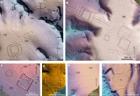
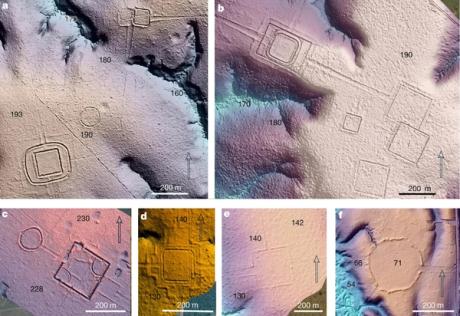
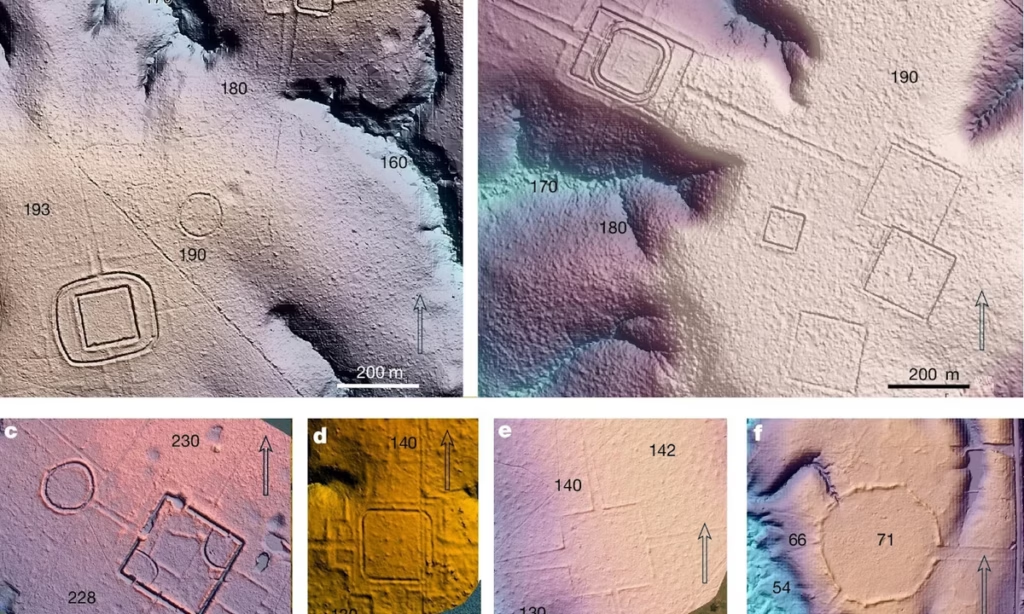
Recent advancements in aerial survey technology have unveiled a stunning revelation about the Aquiry civilization, an ancient society that thrived in the Amazon long before European colonization. Utilizing Lidar (Light Detection and Ranging), researchers have identified over 20,000 pre-colonial earthworks scattered throughout the rainforest. This groundbreaking study not only reshapes our understanding of the Aquiry but also invites us to reconsider the complexities of pre-Columbian life.
The Aquiry’s Architectural Ingenuity
These newly discovered earthworks showcase the architectural ingenuity and spatial planning of the Aquiry civilization. The structures, which include mounds, ditches, and geometric formations, suggest that this society possessed advanced engineering skills and a sophisticated understanding of their environment. By manipulating the land, the Aquiry people created an intricate network that facilitated their agricultural practices and communal living.
Rethinking Historical Narratives
For decades, the prevailing narrative surrounding Amazonian civilizations has painted a picture of small, isolated tribes living harmoniously with nature. However, the findings from this study challenge such simplistic views. The evidence of extensive earthworks indicates a much larger population with the capability for organized labor and communal projects. This new understanding invites scholars and enthusiasts alike to delve deeper into the histories of these ancient peoples.
Preservation and Cultural Significance
The implications of this research extend beyond academic curiosity; they carry significant weight in contemporary discussions about cultural heritage and conservation. As climate change and deforestation threaten the Amazon, the need to protect these archaeological sites becomes increasingly urgent. Each earthwork serves as a testament to the ingenuity and resilience of the Aquiry civilization, and their preservation is crucial for future generations to learn about this rich history.
Investment in Legacy
For collectors and investors in the realm of art and artifacts, the Aquiry civilization provides a compelling case for the value of provenance. As interest in indigenous cultures rises, so too does the significance of authentic artifacts. Owning a piece of this legacy is not just about possessing an object; it is about being part of a narrative that has endured through centuries. Collectors must consider the ethical implications of such acquisitions, ensuring that they support the preservation and respectful representation of these cultures.
Miami’s Connection to Ancient Cultures
In the vibrant cultural landscape of Miami, where art and history converge, the story of the Aquiry civilization resonates. As a city that celebrates diversity and global heritage, Miami serves as a hub for dialogues surrounding ancient cultures and their modern-day implications. Exhibitions that highlight the findings from the Amazon could foster a greater appreciation for indigenous histories, encouraging local collectors to invest in works that honor these legacies.
A Call to Action
As we uncover the layers of history embedded within the Amazon rainforest, it is essential to approach this knowledge with a sense of responsibility. The story of the Aquiry civilization is not merely an academic exercise; it is a call to action for preservation, cultural understanding, and ethical stewardship of the past. By recognizing the depth of these ancient societies, we empower ourselves to protect their legacies for the future.
Editorial note: This article was created by A Bit Lavish Miami’s Magazine as an original editorial reinterpretation based on publicly available reporting. Original source: theartnewspaper.com. Read the original article here: https://www.theartnewspaper.com/2026/08/06/ancient-earthworks-amazonian-earthworks-aquiry-civilisation-lidar-brazil.
Images are used for editorial reference with source credit. If an image requires correction or removal, please contact A Bit Lavish.









Hollywood Celebrates the Opening of the Lucas Museum of Narrative Art
The Lucas Museum of Narrative Art officially opened its doors, marking a...
 1 Mins read
Archaeologists Race Against Time to Save Centuries-Old Artifacts in Alaska After Typhoon Halong
Urgent efforts are underway to recover invaluable historical artifacts scattered by Typhoon...
1 Mins read

High School Teacher Uncovers Rare T. Rex Tracks in Pivotal Paleontological Discovery
A high school science teacher's remarkable find of rare T. Rex tracks...
2 Mins read


Remembering Peter Max: The Psychedelic Pop Art Icon Who Defined a Generation
Explore the life and legacy of Peter Max, the artist who fused...
 ABL2 Mins read
