
Unmasking Deception: The Dark Side of Art Forgery and Its Implications
 ABLUpdated 3 months Ago2 Mins read96

The Intricate Web of Art Forgery
In a shocking revelation that has sent ripples through the art world, a father and daughter from New Jersey, Erwin and Karolina Bankowski, recently pleaded guilty to their roles in a sophisticated counterfeit art operation. This scheme, which involved the fabrication of artworks purportedly by renowned artists such as Andy Warhol, Pablo Picasso, Banksy, and Richard Mayhew, has raised significant questions about authenticity, provenance, and the ethical responsibilities of collectors and galleries alike.
Art as Investment: Navigating the Risks
The case of the Bankowskis serves as a stark reminder of the art market’s inherent vulnerabilities. As art increasingly becomes a preferred asset class for investors, the lines between value and deception blur. The allure of owning a piece by a celebrated artist can sometimes overshadow due diligence. Collectors must remain vigilant, recognizing that the thrill of acquisition must be tempered with rigorous research and verification processes.
The Psychology Behind Collecting
Why do collectors fall prey to forgeries? The psychology of collecting is complex and multifaceted. Many collectors are driven by the desire for status and prestige, often seeking pieces that symbolize wealth and cultural capital. This quest can lead to impulsive purchases, particularly when artworks are presented with convincing provenance. The Bankowskis’ operation highlights how easily the narrative surrounding an artwork can manipulate perception, underscoring the critical need for transparency in the art market.

Rarity and Market Significance: What’s at Stake
Authenticity is not just a matter of legal integrity; it is fundamental to the value of art. When forgeries infiltrate the market, they threaten the entire ecosystem of collectors, galleries, and artists. The financial implications can be staggering, as seen in this case where the counterfeit works were valued at $2 million. For both seasoned collectors and newcomers, understanding the rarity and significance of a piece is essential in safeguarding investments. This emphasizes the importance of provenance—a documented history of an artwork’s ownership that can validate its authenticity.
Impacts on Art Institutions and Collectors
Art institutions and galleries play a critical role in maintaining the integrity of the market. As custodians of culture, they must implement stringent measures to authenticate works before they are presented to potential buyers. This incident serves as an urgent call for enhanced protocols and collaboration within the art community to combat forgery. For collectors, building relationships with reputable galleries and experts can provide an invaluable safety net against fraud.
Lessons Learned: A Path Forward
The Bankowski case is not merely a cautionary tale; it is a catalyst for change within the art market. As the community reflects on the implications of this forgery scheme, it is crucial to advocate for education and awareness among collectors. Workshops on art authentication, provenance research, and the art market’s intricacies can empower collectors to make informed decisions. Moreover, fostering a culture of transparency and trust will be essential in rebuilding confidence in art as a legitimate investment.
As Miami continues to solidify its status as a vibrant art hub, the lessons from this forgery case resonate strongly. The city’s art scene thrives on innovation and creativity, but it must also prioritize the integrity of its market. Collectors in Miami can take proactive steps to ensure their acquisitions reflect true value and authenticity, thereby enriching both their personal collections and the broader art community.
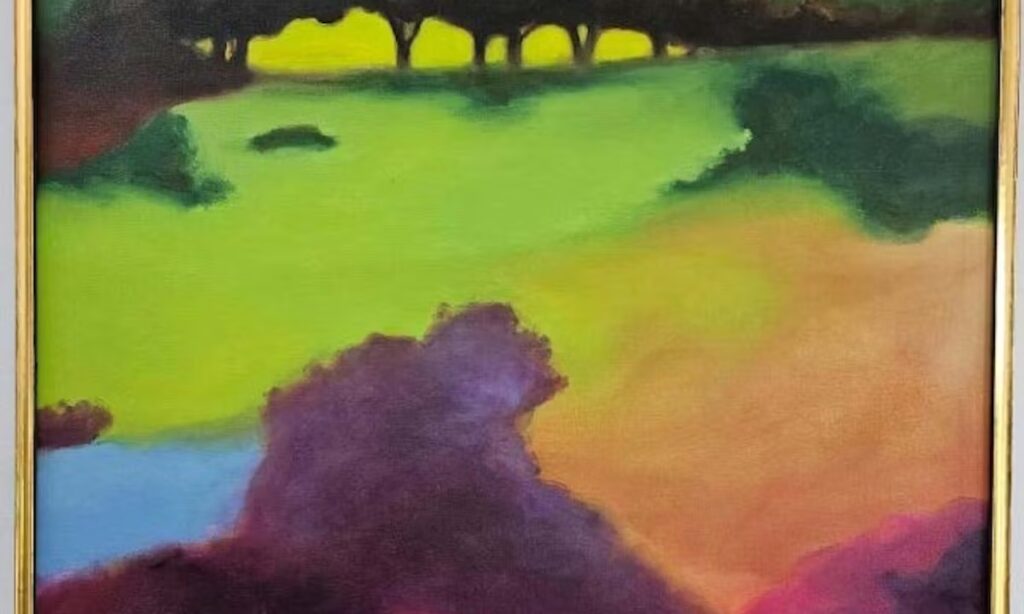
Editorial note: This article was created by A Bit Lavish Miami’s Magazine as an original editorial reinterpretation based on publicly available reporting. Original source: theartnewspaper.com. Read the original article here: https://www.theartnewspaper.com/2026/05/06/father-daughter-forgery-scheme-new-jersey.
Images are used for editorial reference with source credit. If an image requires correction or removal, please contact A Bit Lavish.







Exploring the Digital Renaissance: Venice Biennale’s Bold Embrace of Digital Art
Uncover the transformative power of digital art showcased at the Venice Biennale,...
 2 Mins read
A Tribute to the Guardians of Culture: Standing Firm in the Face of Adversity
Exploring the importance of institutional integrity in art, the role of international...
2 Mins read

Controversy in the Hamptons: The Legal Battle Over a Monumental Sculpture
Explore the intriguing legal dispute surrounding a towering sculpture in East Hampton,...
2 Mins read



Elvira Dyangani Ose: A New Vision for Cape Town’s Zeitz MoCAA
Elvira Dyangani Ose is set to bring her unique artistic vision to...
2 Mins read
