
Unraveling the Tragedy: The Surfside Condo Collapse and Its Underlying Factors
A Deep Dive into Structural Integrity
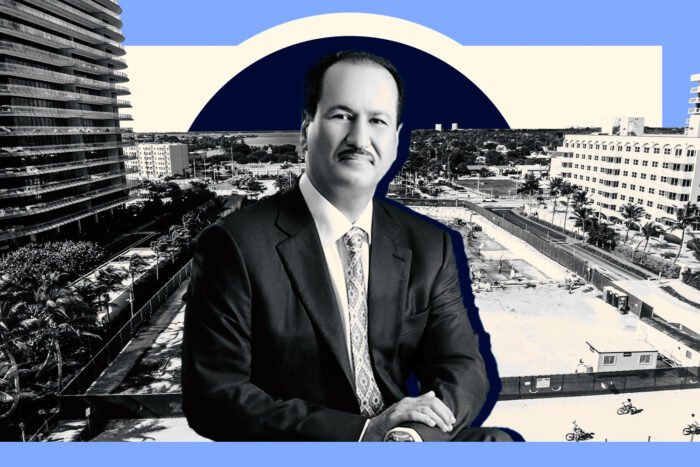
The catastrophic collapse of the Champlain Towers South in Surfside, which shocked the nation and claimed 98 lives, has prompted a thorough investigation into the structural integrity of high-rise condominiums in the Miami area. Recent findings from the National Institute of Standards and Technology (NIST) reveal that the initial signs of structural failure began weeks prior to the tragic event, raising critical questions about safety standards in residential developments.
Chronology of Failure
According to federal investigators, the early indications of structural compromise were observed in early June 2021. Specifically, the failure originated at two key garage column connections located beneath the pool deck. This unnoticed deterioration initiated a slow-motion chain reaction, ultimately leading to the building’s collapse. The report highlights the importance of vigilant maintenance and regular inspections to prevent such tragedies in the future.
Lessons from the Past
The implications of this incident extend far beyond Surfside. As Miami continues to attract high-net-worth individuals and luxury developments, understanding the vulnerabilities in older structures becomes paramount. The findings of the NIST report serve as a wake-up call for developers, homeowners, and regulatory bodies alike, emphasizing the need for rigorous scrutiny and adherence to safety protocols.
Architectural Considerations for Future Developments
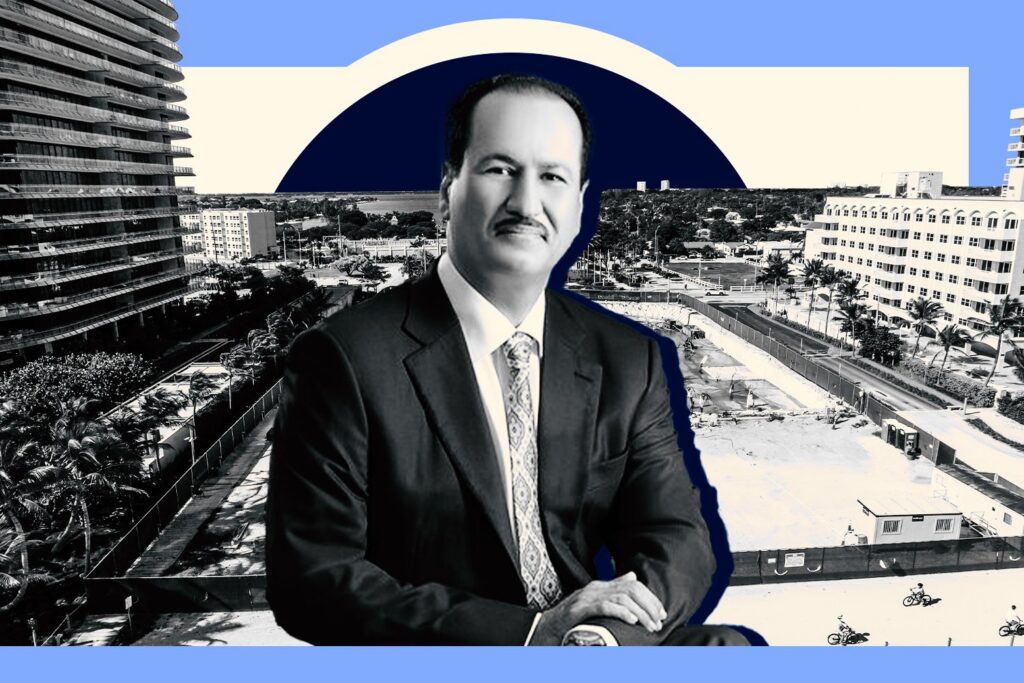
In the wake of the Surfside tragedy, architects and developers are reevaluating design principles to incorporate safety features that mitigate risks associated with structural failure. Attention is shifting towards materials and construction techniques that enhance durability and longevity. Innovations in engineering could pave the way for safer residential towers that not only meet aesthetic expectations but also prioritize occupant safety.
Regulatory Implications and Market Repercussions
The Surfside collapse has sparked discussions about regulatory changes in building codes and inspection processes across Miami-Dade County. As the local government considers tightening regulations, potential implications for the real estate market loom large. A shift in focus towards stringent safety measures may lead to increased costs for developers, which could ultimately affect pricing structures in luxury real estate.
Community Impact and Future Outlook
The emotional toll of the Surfside disaster has left an indelible mark on the community. As families mourn their losses, there is a collective desire for change—both in terms of regulatory policies and community resilience. The real estate landscape is poised for transformation as buyers become more discerning about safety features and the structural integrity of prospective homes.
As Miami’s waterfront lifestyle continues to attract affluent residents, the lessons learned from the Surfside tragedy will likely shape the future of high-rise living in the area. Balancing luxurious living with unwavering safety standards will be the new mantra for developers seeking to establish trust in a shaken market.
Editorial note: This article was created by A Bit Lavish Miami’s Magazine as an original editorial reinterpretation based on publicly available reporting. Original source: therealdeal.com. Read the original article here: https://therealdeal.com/miami/2026/06/23/surfside-condo-collapse-started-three-weeks-before-tragedy/.
Images are used for editorial reference with source credit. If an image requires correction or removal, please contact A Bit Lavish.









A New Approach to Housing: PTM Partners and Peacock Capital’s Vision for Affordable Living
Explore how PTM Partners and Peacock Capital are redefining affordable housing in...
 2 Mins read
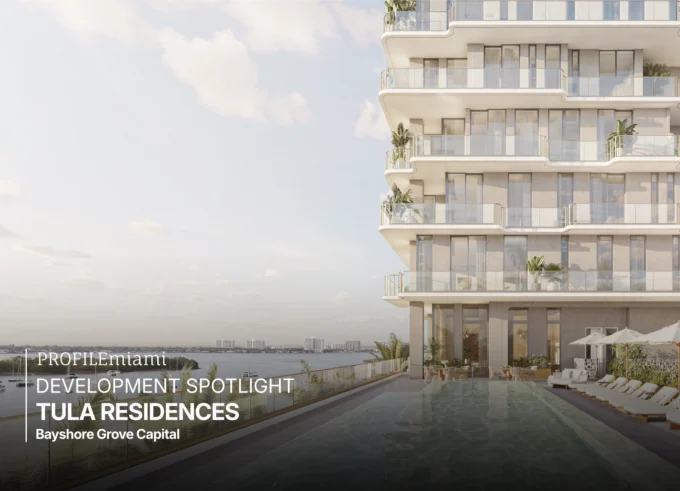
Tula Residences: Defining Luxury Living in North Bay Village
Explore Tula Residences, an exquisite addition to North Bay Village's luxury real...
3 Mins read

Transforming Coral Gables: The Rise of Ponce Park
Explore the luxury and architectural elegance of Ponce Park, an upcoming ultra-luxury...
2 Mins read
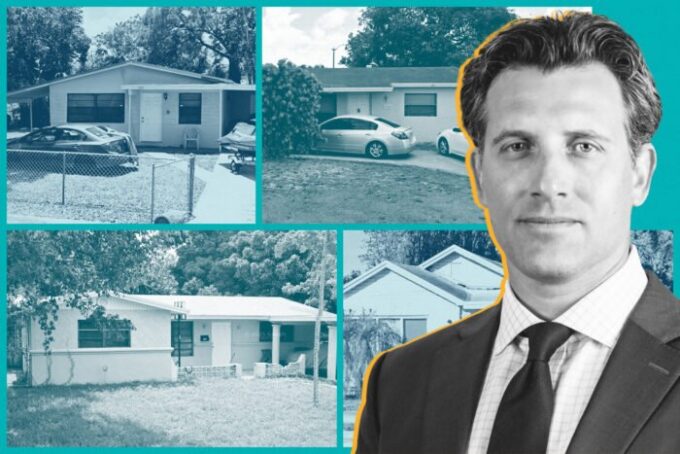


Progress Residential Secures $385 Million Refinancing for Expansive Florida Portfolio
Progress Residential has successfully secured a $385 million refinancing deal for its...
 ABL2 Mins read
