

A Wake-Up Call from the Elements
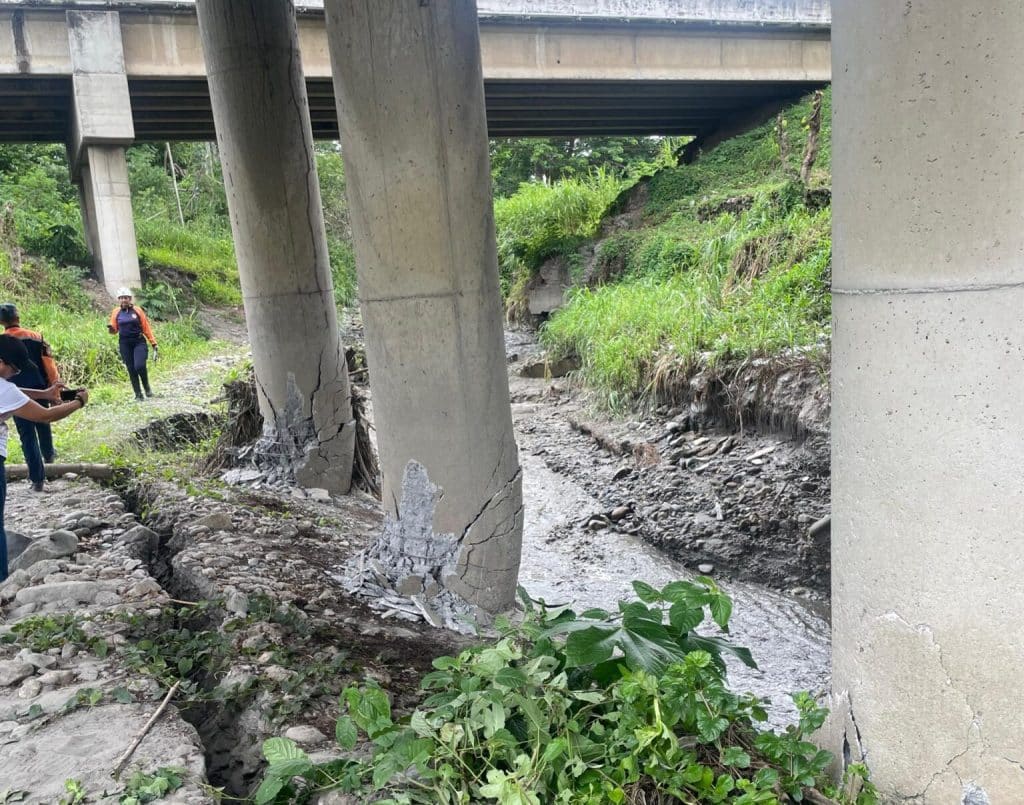
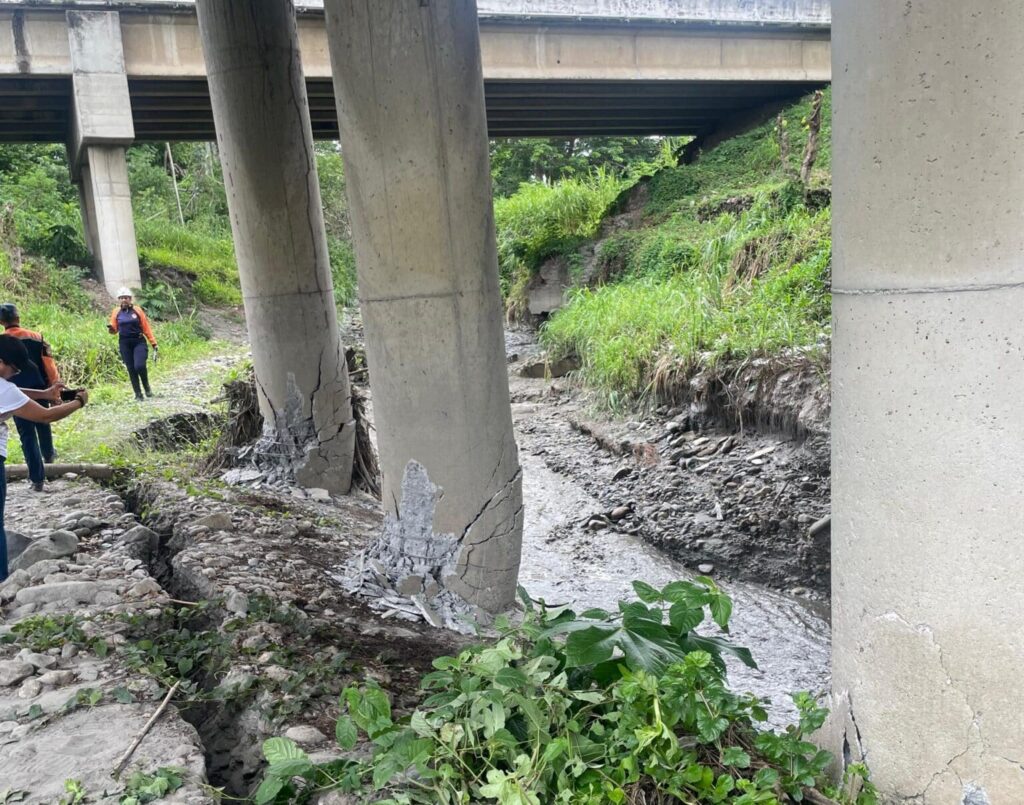
The picturesque state of Yaracuy, Venezuela, has recently found itself at the mercy of nature’s wrath, as heavy rains and seismic tremors wreak havoc across the region. The Autopista Cimarrón Andresote, a vital artery for local transit, has been rendered impassable near the municipality of Sucre due to significant damage sustained by the La Galletera bridge. This bridge, once a reliable passage for vehicles, now stands as a stark reminder of the vulnerabilities inherent in our infrastructure.
The Unfolding Crisis
Recent reports detail a disturbing scene: a 15-centimeter crack has appeared in the ground beneath the bridge, undermining its structural integrity. Experts are investigating the extent of the damage, noting that this is not the first time La Galletera has faced scrutiny following seismic activity. Back in June 2026, after a series of tremors, the bridge was assessed without significant findings. However, the recent combination of aftershocks and torrential rains has exacerbated the situation, leading authorities to take immediate action.
Community Response and Resilience
In the wake of this crisis, local officials have mobilized swiftly to address the aftermath of the natural disasters. Key figures, including Beatriz Uzcátegui, the Secretary of Infrastructure, and Jesús Hoyos, Director of the Regional Ministry of Transport, conducted on-site inspections to evaluate the damage and begin the process of recovery. Their efforts include compiling reports to secure national resources necessary for corrective measures.
Widespread Impact Across Municipalities
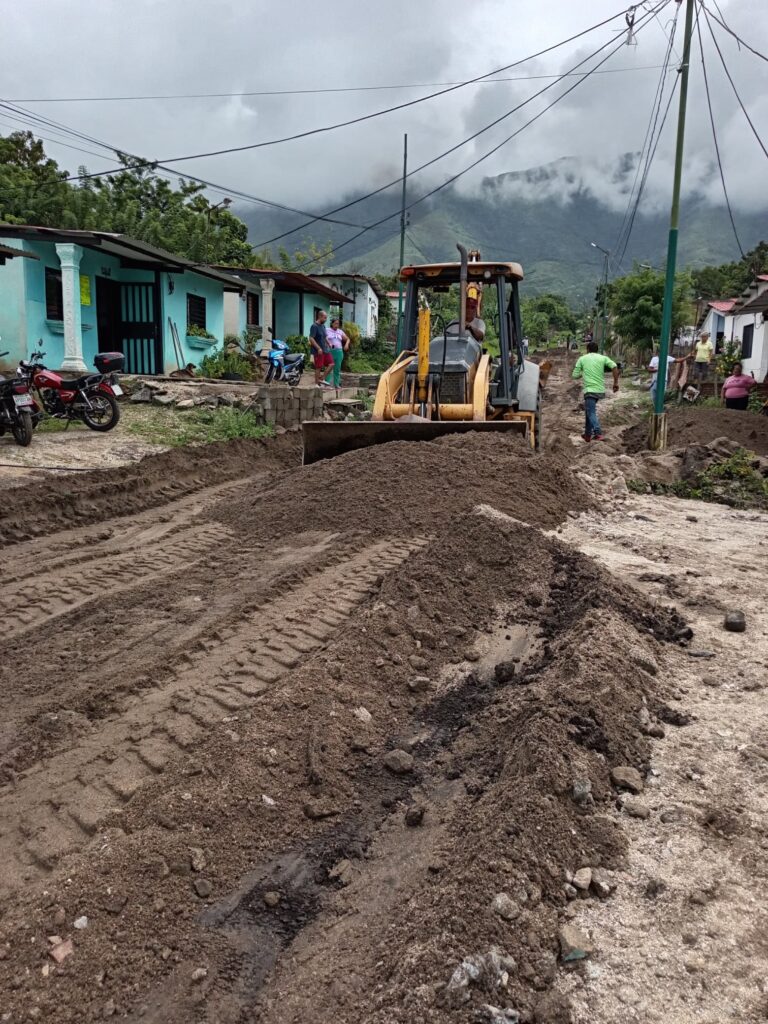
Beyond the La Galletera bridge, the effects of the downpours have been felt far and wide, particularly in the Bolívar municipality. Areas such as La Luz, Kilometer 58, and Barlovento have experienced severe flooding, leading to the inundation of homes and agricultural lands. Fortunately, while material losses are significant, there have been no reported injuries or fatalities, a testament to the community’s preparedness.
Restoration Efforts Take Shape
Local leadership has quickly initiated clean-up operations, with teams dispatched to clear debris and restore accessibility to affected areas. The mayor of Aroa, Sol Colmenárez, has emphasized the importance of rapid response, stating, “We have activated cleanup crews in the center of Aroa and along the main road to ensure that our communities can recover as swiftly as possible.” Moreover, collaborations with organizations like Yaracuy Bonito have enhanced these restoration efforts, showcasing a unified front in the face of adversity.
A Lesson in Preparedness
This recent chain of events underscores the critical importance of infrastructure resilience and community preparedness in the face of natural disasters. As Miamians, familiar with the challenges posed by tropical storms and hurricanes, it serves as a poignant reminder of the need for proactive measures. Just as Yaracuy is rallying to rebuild and restore, so too must communities like ours continuously bolster our defenses against the unpredictable forces of nature.
As the dust settles on this crisis, the resilience demonstrated by Yaracuy’s citizens stands as a shining example of hope and determination. The path to recovery may be long, but with collective effort and support, the spirit of the community is sure to prevail.
Editorial note: This article was created by A Bit Lavish Miami’s Magazine as an original editorial reinterpretation based on publicly available reporting. Original source: efectococuyo.com. Read the original article here: https://efectococuyo.com/destacado-4/terremoto-y-lluvias-dejan-intransitable-el-puente-la-galletera-en-yaracuy/.
Images are used for editorial reference with source credit. If an image requires correction or removal, please contact A Bit Lavish.








A Glimmer of Hope: The Partial Unblocking of Media Domains in Venezuela
In a recent move, Venezuela's government has unblocked a small percentage of...
 2 Mins read
A Call for Justice: The Tragic Case of Wilber Rafael Garcés
The harrowing incident involving Venezuelan migrant Wilber Rafael Garcés raises urgent questions...
2 Mins read

Trump Meets Venezuela’s Delcy Rodríguez to Finalize Historic Oil Deal
The meeting between Trump and Rodríguez marks a pivotal moment in U.S.-Venezuela...
2 Mins read


Trump Engages in Diplomatic Talks with Venezuela’s Delcy Rodríguez at UN General Assembly
The meeting between former President Donald Trump and Venezuela's Acting President Delcy...
2 Mins read
