
Urban Canvas: The Flourishing Landscape of Public Art in New York
 ABLUpdated 2 months Ago2 Mins read80
The Vibrant Transformation of Urban Spaces
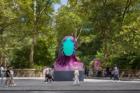
In the heart of New York City, a renaissance of public art is taking shape, turning the urban landscape into a vibrant tapestry of creativity. From the iconic High Line to the picturesque pathways of Brooklyn Bridge Park, artists are reimagining public spaces, inviting both locals and visitors to engage with their environment in profound and meaningful ways.
Artists as Urban Visionaries
The contemporary artist is no longer confined to the white walls of a gallery. Instead, they are stepping into the streets, breathing life into forgotten corners and overlooked structures. This quest for visibility and engagement is leading to a proliferation of large-scale installations that challenge perceptions and provoke dialogue. Each piece serves as a testament to the artist’s vision, transforming mundane urban settings into extraordinary experiences.
A Cultural Mosaic: The Role of Neighborhoods
New York City’s diverse neighborhoods are a rich canvas for public art, reflecting the cultural tapestry of the city itself. In places like Harlem and the Lower East Side, murals and installations speak to the histories and narratives of the communities they inhabit. These works are not just decorations; they are historical markers that celebrate local culture, often commissioned or created by artists with deep ties to the area.

Investment in Public Art: A Growing Trend
As the significance of public art becomes increasingly recognized, investment in such projects is on the rise. Municipalities and private entities are allocating funds to commission works that not only beautify public spaces but also enhance community engagement. This investment is driven by a growing understanding of public art’s ability to elevate property values, attract tourism, and foster a sense of pride among residents.
Rarity and Market Significance
The rarity of certain public art pieces adds to their allure and market significance. Unlike traditional art, which can be commodified and traded, public art often exists in a unique context that ties it to its environment. This connection enhances its value, both culturally and financially, as collectors and investors seek to acquire works that resonate with the collective memory of a city. Moreover, the ephemeral nature of some installations adds layers of significance, as their temporary existence invites a sense of urgency and appreciation from viewers.
Global Influence and Local Impact
New York’s public art scene is not an isolated phenomenon; it is part of a global movement that recognizes the importance of art in public spaces. Cities worldwide are looking to New York as a model for integrating art into urban planning, fostering community, and revitalizing neighborhoods. The dialogue between local artists and global trends creates a rich ecosystem where ideas flourish, and cultural exchange thrives.
The Legacy of Public Art
As we witness this blossoming of public art in New York, it is vital to consider the legacy it leaves behind. Each installation becomes a part of the city’s history, a marker of time that reflects societal values and artistic trends. For collectors and enthusiasts, understanding this legacy is crucial; it shapes their perspective on the works they admire and invest in. As public art continues to evolve, it promises to remain a dynamic aspect of New York’s identity, a vibrant reminder of the transformative power of creativity.

Editorial note: This article was created by A Bit Lavish Miami’s Magazine as an original editorial reinterpretation based on publicly available reporting. Original source: theartnewspaper.com. Read the original article here: https://www.theartnewspaper.com/2026/05/12/public-art-blossoms-around-new-york.
Images are used for editorial reference with source credit. If an image requires correction or removal, please contact A Bit Lavish.










The Wiener Werkstätte: A Celebration of Handcrafted Elegance
Explore the enduring legacy of the Wiener Werkstätte and its commitment to...
 2 Mins read

A New Dawn for Artistic Resilience: Jacolby Satterwhite and the Artists Living with Cancer Grant
Explore the significance of the Artists Living with Cancer Grant, awarded to...
2 Mins read
A New Chapter: Norr Cohan Gallery Takes Center Stage in Contemporary Art
Explore the evolution of Norr Cohan Gallery, formerly James Cohan Gallery, marking...
2 Mins read


Elevated Perspectives: The Resplendent Revival of Manhattan’s Municipal Building
Explore the remarkable restoration of the Municipal Building's observation deck, a testament...
2 Mins read
