

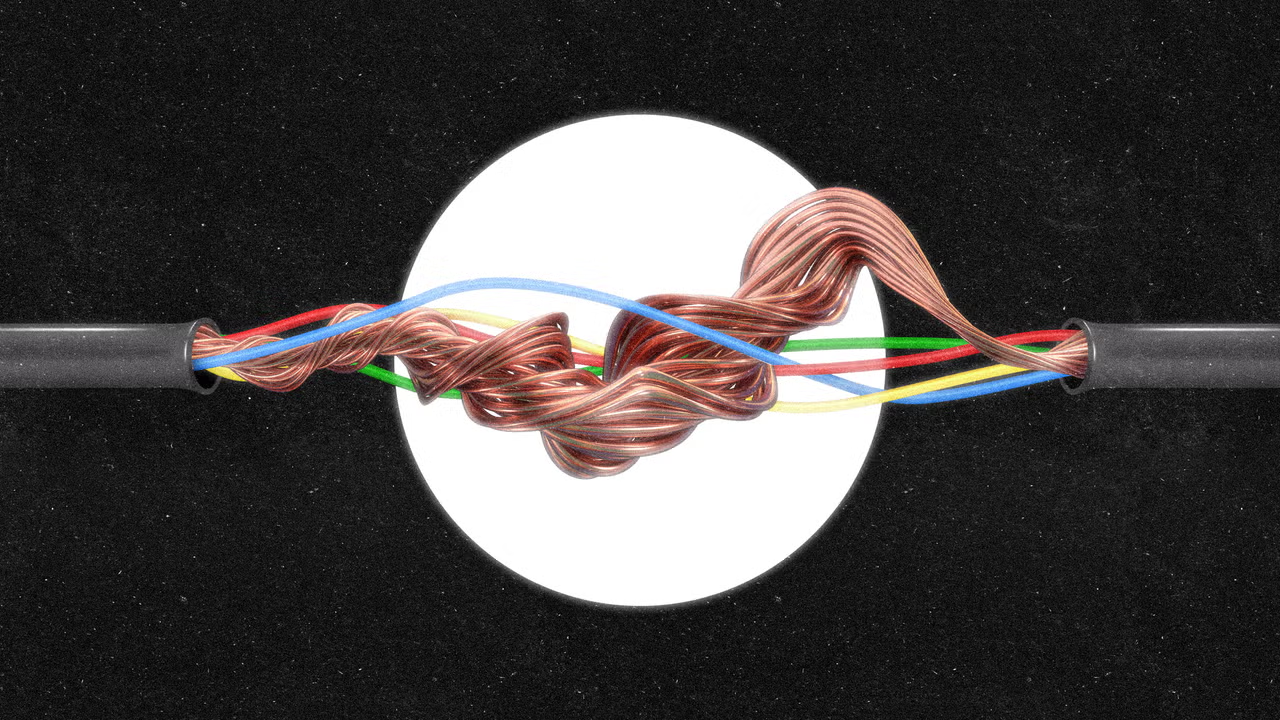
The Copper Conundrum: A Looming Crisis
As we venture further into the 21st century, the world faces a critical juncture regarding its copper supply. Projections indicate that demand for copper could surge by 50% by 2040, driven by burgeoning sectors like electric vehicles and expanding data centers. Despite this rising demand, supply is anticipated to dwindle, potentially leading to a staggering shortfall of 10 million metric tons, according to a recent analysis by S&P Global.
This confluence of increasing demand and diminishing supply has already manifested in record-high copper prices, igniting a race among innovators to secure sustainable sources of this essential metal.
Red Metals: A Vision for Urban Mining
In the heart of Charleston, South Carolina, a startup named Red Metals is poised to revolutionize the approach to copper sourcing through urban mining. By extracting copper from obsolete products and scrap rather than depleting natural mines, Red Metals aims to create a more sustainable and efficient supply chain. Currently, only about half of the copper in existing products is reclaimed at their end of life, and much of the recycled scrap is exported for processing before being imported back into the U.S.
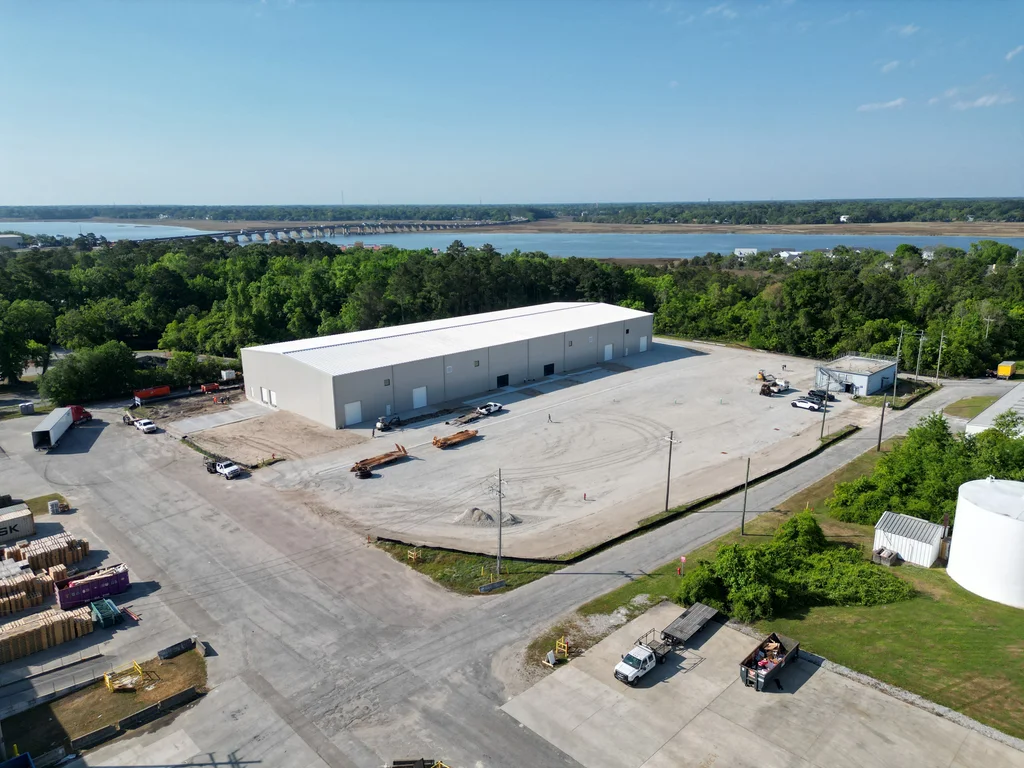
Jackson Switzer, founder and CEO of Red Metals, envisions a transformation in how we manage copper resources. Drawing from his experience at Redwood Materials, a leader in lithium-ion battery recycling, Switzer is acutely aware of the vast quantities of copper embedded in discarded electronics and appliances. He notes that the existing supply chain is archaic, having been designed for a different era.
Market Dynamics: The Demand-Supply Imbalance
The copper market today is beset by challenges. A significant mine in Indonesia is grappling with the aftermath of a tragic accident, with full production not expected until 2028. Meanwhile, labor strikes and natural disasters are wreaking havoc on operations in Chile and the Democratic Republic of the Congo. Concurrently, the demand continues to escalate, propelled by the electrification of transportation, the rise in household electrical consumption, and the burgeoning need for data centers—which, by some estimates, can use up to 50,000 tons of copper in their infrastructure.
As society increasingly relies on technology, the demand for copper is projected to rise from 28 million metric tons today to 42 million by 2040, while supply is expected to peak at 33 million metric tons by 2030. This imbalance lays bare the urgent necessity for innovative solutions.
Innovative Solutions: Mining the Future
In response to the looming crisis, various companies are exploring alternative methods of copper extraction. Some are revisiting abandoned mines with new technologies, such as microbial mining, which utilizes bacteria to extract metals from rock without the environmental toll of traditional mining methods. Others are pioneering techniques that minimize waste and enhance efficiency.
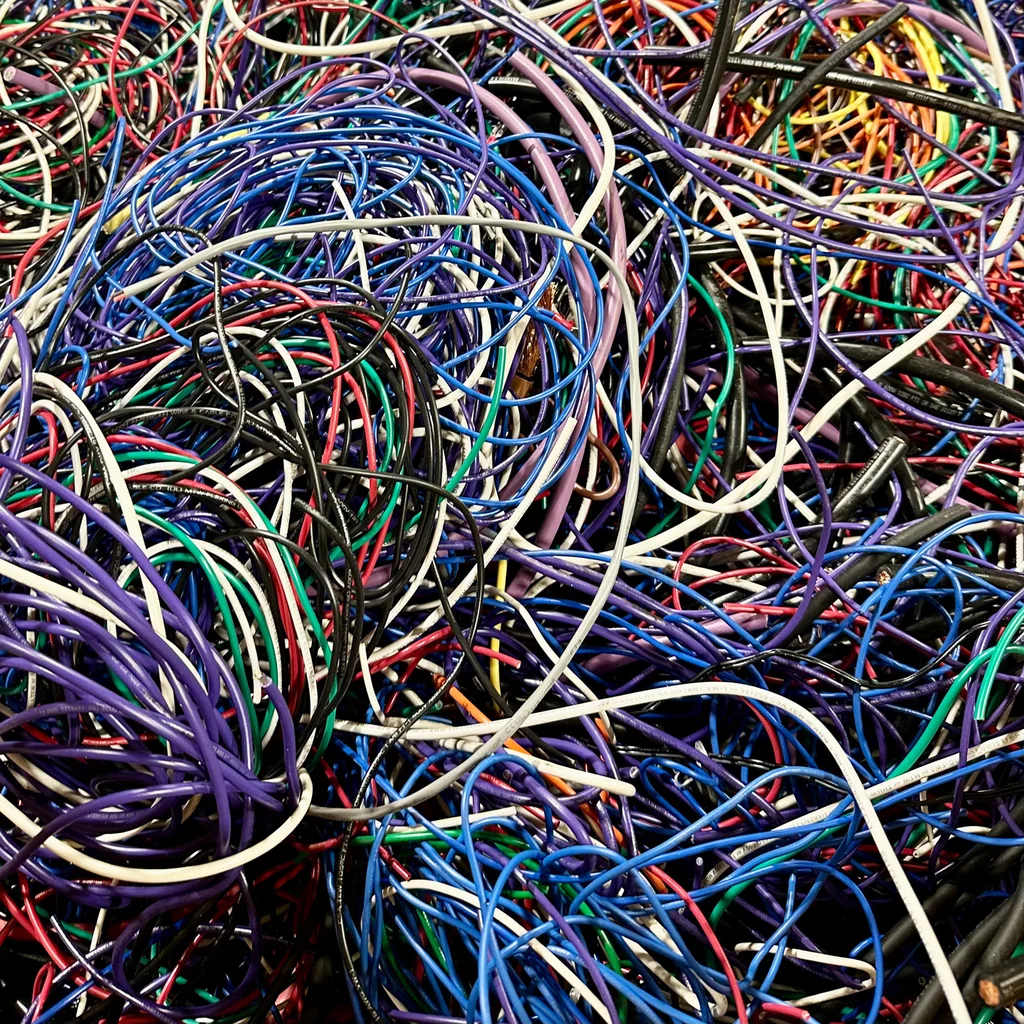
However, the cornerstone of a sustainable copper future lies in recycling. Current estimates suggest that approximately 4 million tons of copper are recycled annually in the U.S., but this figure could double by 2040. The potential for recycling is immense, especially as the U.S. generates around 1.6 million metric tons of scrap copper each year, with demand for new copper projected to reach approximately 3 million tons.
Redefining Recycling: The Role of Technology
At the forefront of this recycling revolution is Red Metals, which is constructing a state-of-the-art facility set to employ artificial intelligence to streamline the sorting of copper from discarded items. By processing materials directly into copper rod—bypassing multiple steps in the traditional supply chain—Red Metals is not only enhancing efficiency but also making American recycled copper competitively priced.
Switzer likens Red Metals’ approach to that of Nucor, a steel manufacturer that disrupted the industry by streamlining scrap processing. Just as Nucor emerged as a leader in steel production, Red Metals aims to establish itself as a formidable player in the copper market.
A Collaborative Future: Building a Sustainable Supply Chain
Recently, Red Metals secured $10 million in seed funding from Gigascale Capital to advance its mission. This funding will support the company in demonstrating its innovative process and establishing a robust supply chain for copper scrap. Collaborating with large enterprises—such as automotive manufacturers and data centers—Red Metals is creating a mutually beneficial ecosystem where these companies can source necessary recycled copper while contributing to a sustainable future.
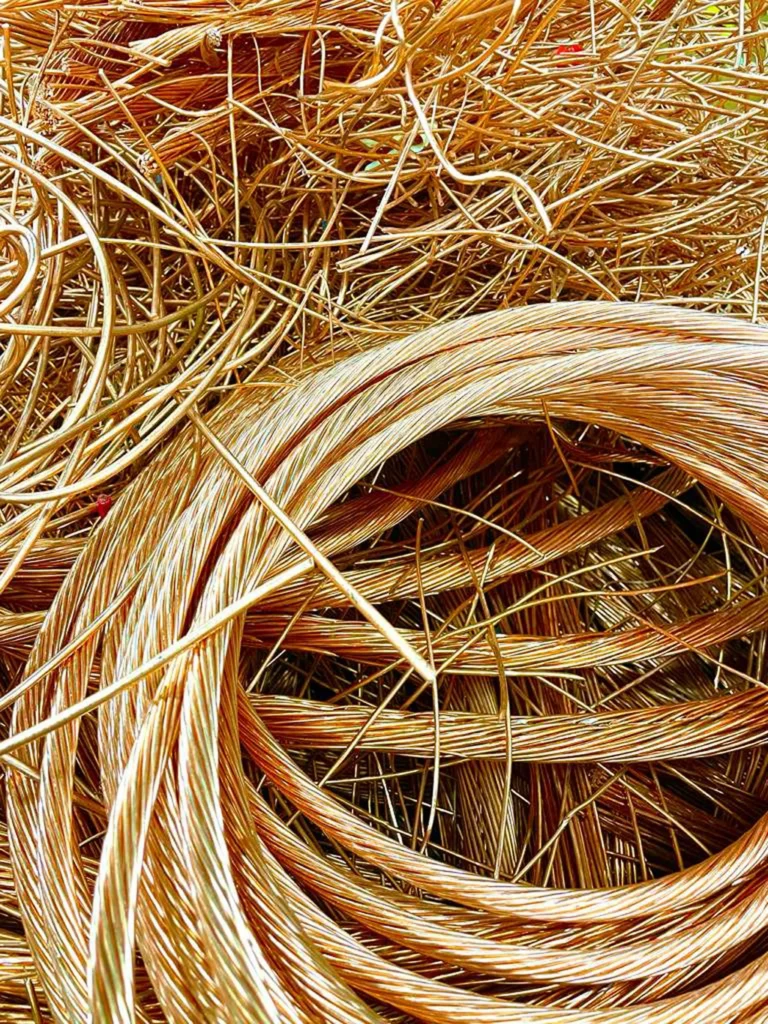
With the potential to meet a significant portion of the U.S. copper demand through urban mining, Red Metals embodies the spirit of innovation that is vital for addressing the challenges of our time. As Miami continues to embrace technology and sustainability, the success of such initiatives underscores the city’s role as a leader in the future of resource management.
Editorial note: This article was created by A Bit Lavish Miami’s Magazine as an original editorial reinterpretation based on publicly available reporting. Original source: fastcompany.com. Read the original article here: https://www.fastcompany.com/91553084/red-metals-copper-shortage-waste-mining.
Images are used for editorial reference with source credit. If an image requires correction or removal, please contact A Bit Lavish.










Navigating the New Frontier: Leadership in the Age of Agentic AI
Explore how leaders can reclaim agency in a world increasingly driven by...
 3 Mins read

From Layoffs to Rehires: The Unfolding Narrative of AI in the Workforce
Explore how the AI narrative is reshaping employment strategies, revealing the importance...
2 Mins read

Limited-Time Kamaʻāina Discounts Announced at Hyatt Buffet
Hyatt's discount initiative highlights the importance of local tourism recovery amidst ongoing...
1 Mins read



Freddy Krueger Returns to Pop Culture Spotlight Amidst Global Nostalgia
The resurgence of Freddy Krueger reflects a significant cultural moment, highlighting evolving...
1 Mins read
