
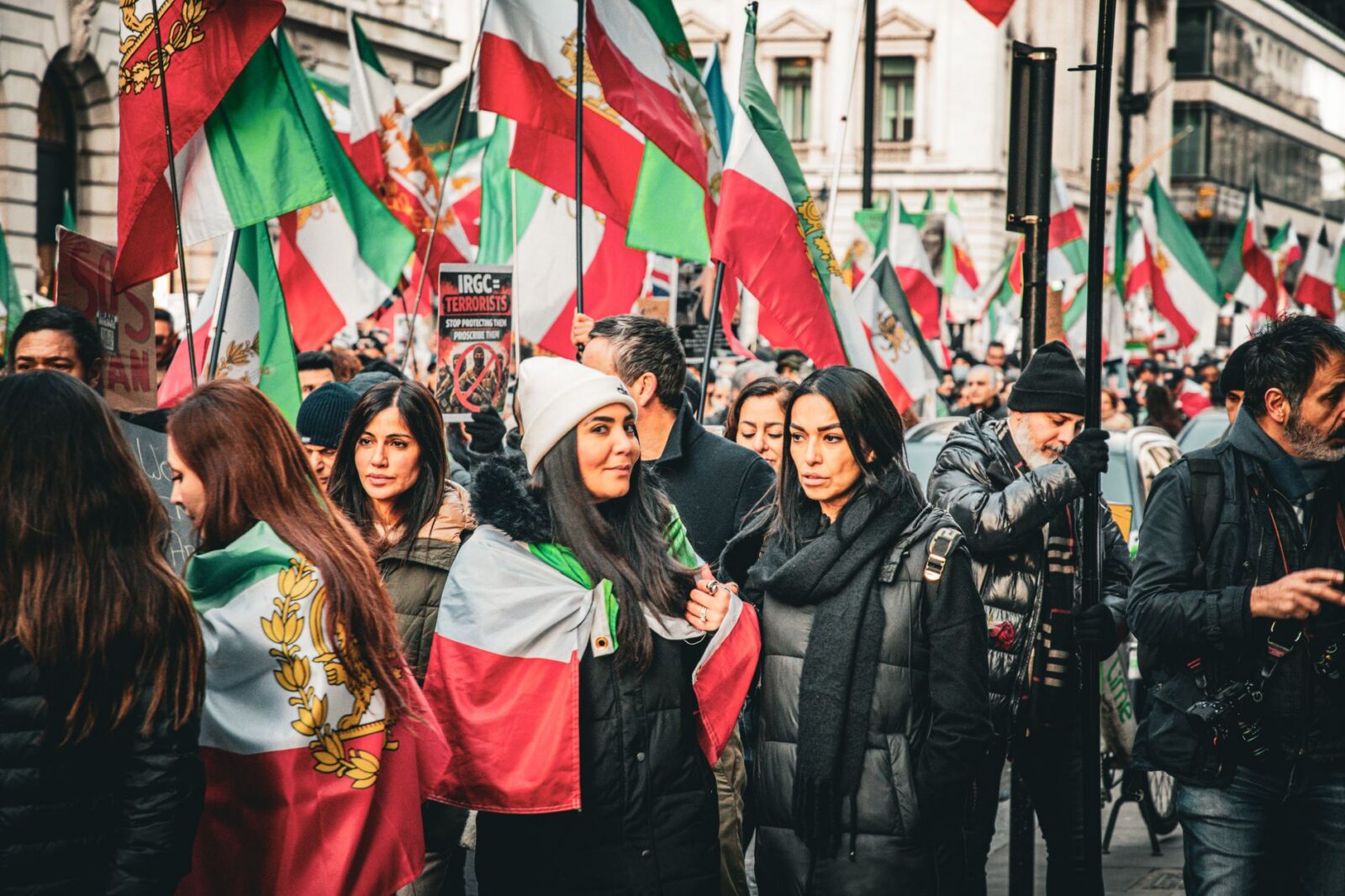
On June 30, 2026, high-level discussions between the United States and Iran are taking place in Doha, Qatar. This meeting, facilitated by Qatari officials, marks a significant diplomatic engagement aimed at easing longstanding tensions between the two nations. Former President Donald Trump, who has been vocal about the need for renewed dialogue, is reportedly advocating for a diplomatic resolution that could pave the way for improved relations.
The talks involve senior diplomats from both countries, including representatives from the US State Department and Iranian foreign ministry officials. The agenda is expected to focus on critical issues such as Iran’s nuclear program, regional security, and the potential lifting of economic sanctions that have heavily impacted Iran’s economy. The outcome of these discussions is particularly significant given the backdrop of escalating tensions in the region, including Iran’s influence in Iraq and Syria, and its relationships with various non-state actors.
This dialogue is crucial at a time when global energy markets are sensitive to Middle Eastern stability. A constructive outcome could lead to a reduction in oil prices and provide a much-needed economic boost to both nations. Conversely, failure to reach an agreement could exacerbate tensions, potentially leading to further conflicts in the region and affecting global markets. The stakes are high, not only for the US and Iran but also for their allies and adversaries around the world.
Looking ahead, the implications of these talks could extend beyond immediate diplomatic relations. Should the US and Iran find common ground, it may open avenues for broader negotiations involving other regional players, potentially reshaping the geopolitical landscape in the Middle East. However, if talks falter, both nations may revert to a more adversarial stance, heightening the risk of military confrontations and destabilizing the region further.
Source: Kashmir Reader









Russell Fry Positions Himself as Key Contender for Graham’s Senate Seat
Fry's candidacy could reshape the political landscape in South Carolina amid ongoing...
 1 Mins read

Republican Nominee Odds for 2028 Presidential Election Shift Significantly
The evolving dynamics of the 2028 Republican nomination process highlight the strategic...
1 Mins read
Mike Pence Advocates for U.S. Military Engagement in Ongoing Conflicts
Pence's call for military action underscores the shifting dynamics of U.S. foreign...
1 Mins read



CFL Player Jayden Dalke Dies at 30 Following Tragic Car Accident
The untimely death of Jayden Dalke underscores the urgent need for road...
1 Mins read
