
US Senate Farm Bill Sparks Momentum for Increased Ethanol Blend
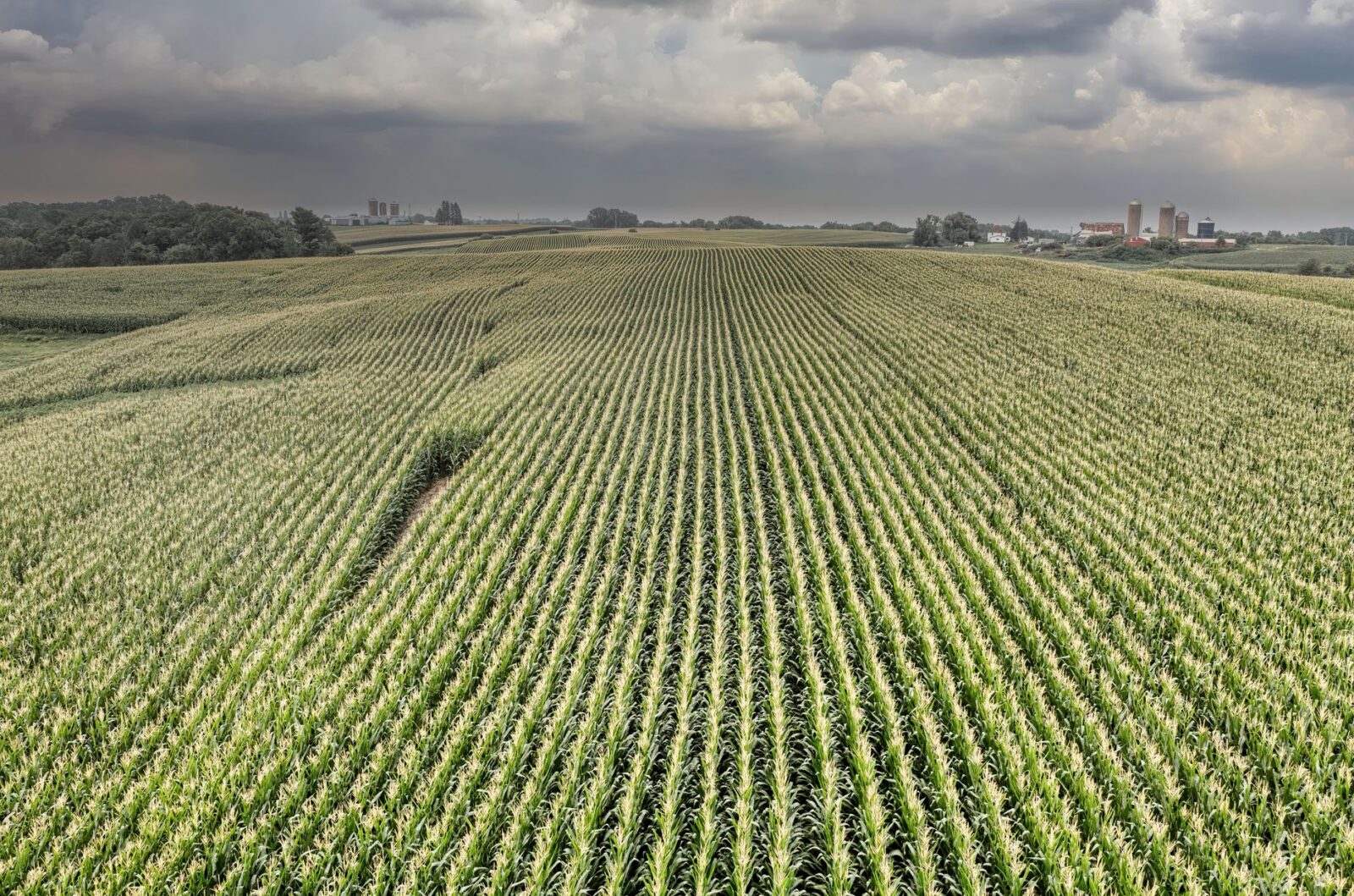
On August 9, 2026, discussions surrounding the US Senate’s farm bill have intensified, with advocates expressing optimism for a proposed increase in the ethanol blend. This potential amendment, if passed, could significantly alter the landscape of renewable energy usage within the United States, aligning with broader efforts to reduce carbon emissions and enhance energy independence.
The key players in this development include Senate Agriculture Committee members, prominent agricultural lobbyists, and major biofuel producers, all of whom are actively pushing for a higher ethanol blend mandate. The bill’s progression through the Senate could be pivotal, as it reflects a growing bipartisan acknowledgment of the need for sustainable energy solutions amidst rising global energy demands.
This matter is gaining traction now due to escalating concerns over energy security and climate change, coupled with recent shifts in public sentiment favoring renewable energy sources. The proposed changes would not only impact domestic agricultural practices but could also influence international markets, particularly those reliant on US agricultural exports.
Looking ahead, if the Senate farm bill successfully incorporates the higher ethanol blend, it could lead to increased investment in biofuel production facilities and related infrastructure. Stakeholders are closely monitoring the legislative calendar, with critical votes expected in the coming weeks, which could set the stage for a transformative shift in both energy policy and agricultural economics.
Source: Mitchell Daily Republic









President Tinubu Stands Firm Against Release of FBI and DEA Records
The refusal to release sensitive records underscores Nigeria's complex relationship with international...
 1 Mins read
Colorado Suspends AI Discrimination Law with Justice Department’s Support
The suspension of Colorado's AI discrimination law raises critical questions about technology...
1 Mins read

DOJ Faces Crucial Decision on Protections for Individuals with Disabilities
The future of disability protections in the U.S. hinges on the DOJ's...
1 Mins read



Former Councilmen Sentenced to Federal Prison Following FBI Discovery of Stolen Cash
The sentencing of former councilmen highlights corruption in local governance, raising questions...
1 Mins read