
Venezuelan Bureaucratic Delays Hinder U.S. Earthquake Rescue Efforts
 ABLUpdated 3 months Ago1 Mins read121
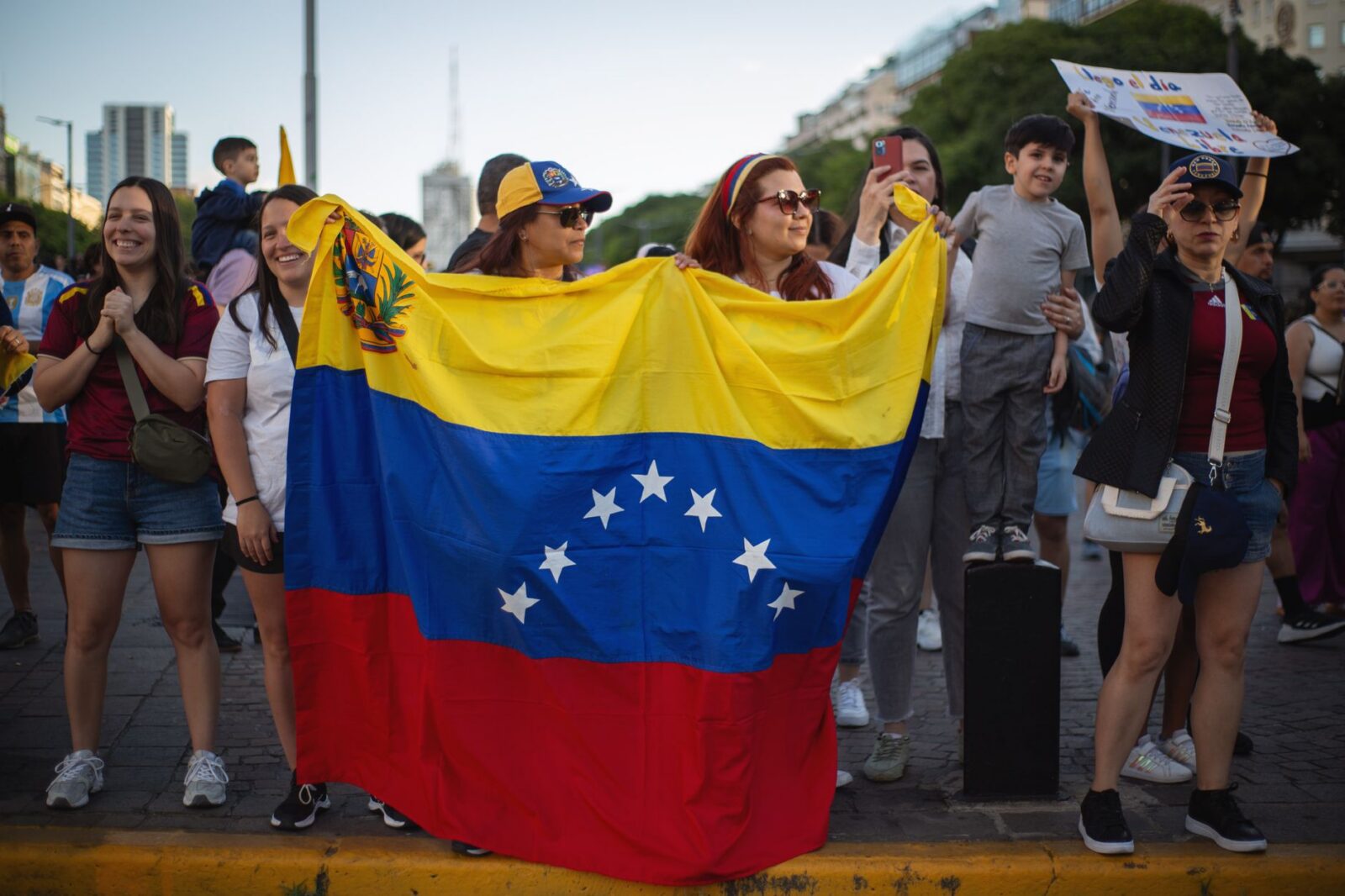
On July 11, 2026, an American rescue team specializing in earthquake recovery efforts encountered significant bureaucratic hurdles upon their arrival in Venezuela, following a devastating earthquake that struck the country just days prior. The team, dispatched by the U.S. Agency for International Development (USAID), aimed to provide immediate assistance and support to the affected regions, particularly in the capital city of Caracas and surrounding areas.
The involvement of the U.S. team underscores a critical moment in Venezuelan-American relations, particularly as the Venezuelan government, led by President Nicolás Maduro, has historically been skeptical of foreign intervention. The Maduro administration’s recent decision to impose stringent regulations on foreign aid and rescue operations has led to delays and confusion, as the team awaited the necessary permits to commence their life-saving work.
This development is significant not only for the immediate humanitarian implications but also for the broader geopolitical landscape. Venezuela, grappling with severe economic turmoil and a humanitarian crisis, has seen its governance challenged by inefficiencies that undermine its ability to respond to disasters effectively. The U.S. team’s inability to operate freely raises questions about the Venezuelan government’s commitment to ensuring public safety and its capacity to manage international partnerships, especially during crises.
Looking ahead, the situation could escalate if bureaucratic impediments persist, leading to heightened tensions between the U.S. and Venezuela. The necessity for swift action is paramount, as further delays could exacerbate the humanitarian disaster, prompting international calls for reforms within the Venezuelan bureaucratic system. As the international community watches closely, the actions taken—or not taken—by both governments will significantly shape future diplomatic relations and humanitarian responses.
Source: WSJ



Potential Tropical Disturbance Threatens Gulf Coast with Heavy Rain
A brewing tropical disturbance poses a significant public safety risk to the...
 1 Mins read
Hurricane Center Warns of Potential Tropical Depression Formation in the Gulf
The National Hurricane Center has issued a warning about the possible formation...
1 Mins read
Andrew Mountbatten-Windsor Challenges Police Over Search Warrants in Landmark Legal Action
The legal action taken by Andrew Mountbatten-Windsor against the police raises critical...
2 Mins read
US and German Scientists Awarded Nobel Prize in Medicine for Optogenetics Breakthrough
The Nobel Prize in Medicine has been awarded to US and German...
2 Mins read