
War in Ukraine Surpasses 1,569 Days, Exceeding Duration of World War I
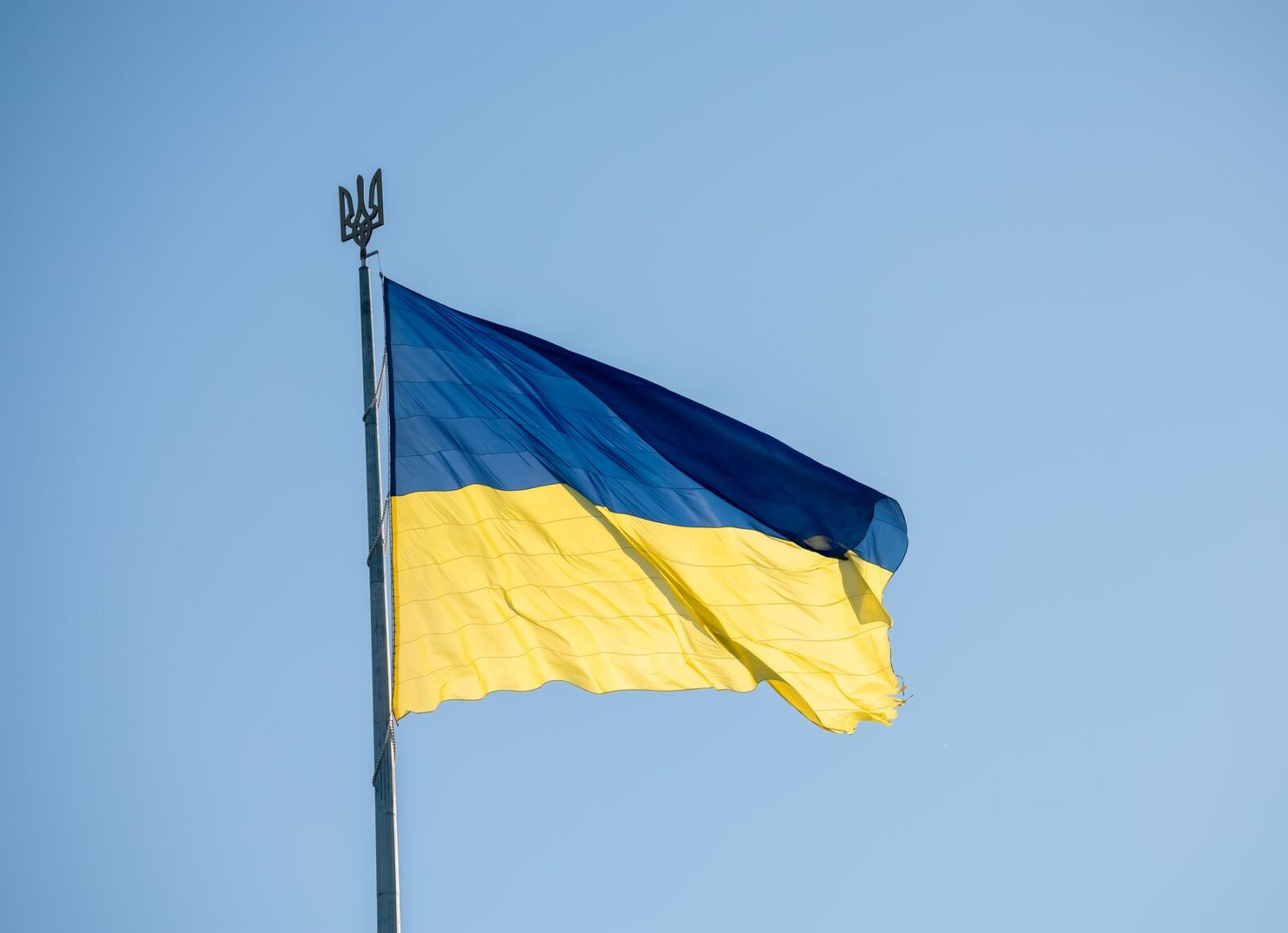
As of June 11, 2026, the war in Ukraine has officially surpassed 1,569 days, marking a significant historical milestone as it now exceeds the duration of World War I. Initiated in February 2022, this ongoing conflict has drawn in various global powers, fundamentally altering the geopolitical landscape of Europe and beyond. The Ukrainian government, led by President Volodymyr Zelenskyy, continues to face the aggressive military actions of Russia, which has been supported by various paramilitary groups and mercenaries, complicating the situation further.
The implications of this extended conflict are profound. The war has not only resulted in immense human suffering, with millions displaced and thousands of civilian casualties, but it has also triggered significant shifts in global energy markets. European nations are grappling with energy shortages and inflationary pressures as they seek to reduce reliance on Russian oil and gas. The ramifications of these energy crises are felt worldwide, affecting economic stability and international trade.
Moreover, the prolonged nature of this conflict has led to a realignment of international alliances. NATO has strengthened its eastern flank, with increased military support for Ukraine, while countries like China and India have navigated a complex diplomatic path, balancing economic ties with Russia and their strategic interests in the West. This evolving geopolitical landscape necessitates close monitoring, as alliances and enmities shift in response to the war’s developments.
Looking ahead, the potential for escalation remains high. As both Ukraine and Russia dig in for a protracted engagement, the international community must prepare for a range of scenarios, from increased military aid to Ukraine, to potential negotiations that may emerge as both sides seek a resolution. The global implications of this conflict continue to unfold, making it imperative for world leaders and policymakers to remain vigilant and responsive to the evolving situation.
Source: France 24










FIFA Overturns Red Card Ban for US Star Following Controversial Trump Call
The decision to overturn the ban raises questions about governance in sports...
 1 Mins read
White House Launches Effort to Overturn World Cup Red Card Decision
The U.S. government's intervention in a World Cup red card appeal reflects...
1 Mins read

White House Report Criticizes Smithsonian Leadership as Untrustworthy Activists
The White House's recent critique of Smithsonian leadership underscores deepening political divides...
1 Mins read


Trump’s White House Undergoes Significant Makeover Amidst Political Landscape Changes
The transformation of Trump's White House reflects ongoing political shifts and may...
1 Mins read
