
White House AI Policy Adviser Krishnan Resigns Amid Growing Global AI Concerns

In a significant development for the U.S. administration’s approach to artificial intelligence, White House AI policy adviser Krishnan has announced his resignation, effective immediately. This decision comes at a time when AI technology is rapidly evolving, raising concerns about ethical implications, regulatory frameworks, and international competitiveness. Krishnan’s tenure has been marked by efforts to shape a comprehensive AI policy that balances innovation with safety, an endeavor that has gained urgency as other nations accelerate their own AI initiatives.
In his role, Krishnan has been pivotal in formulating strategies that address the multifaceted challenges posed by AI, including algorithmic bias, data privacy, and the potential for job displacement. His departure raises questions about the continuity of these policies, particularly as the United States faces increasing pressure to establish itself as a leader in AI governance amidst global competition. Countries like China and the European Union are advancing their AI regulations, which could set the stage for a fragmented international landscape.
The implications of Krishnan’s exit extend beyond the immediate political sphere; they resonate across industries that are increasingly reliant on AI technologies. Investors and corporate leaders are particularly attuned to shifts in policy that could affect funding, innovation trajectories, and compliance obligations. As the U.S. grapples with these challenges, the potential for a recalibration of its AI strategy becomes more pronounced.
Looking ahead, the Biden administration will need to appoint a successor who can navigate the complexities of AI governance and maintain momentum in U.S. leadership in this critical technological frontier. The coming weeks will be telling as stakeholders await further clarity on the administration’s priorities in AI policy and how they will respond to the evolving global landscape.
Source: Reuters










David Malukas Hospitalized After Serious Crash During IndyCar Practice in Nashville
The incident raises concerns over driver safety in motorsports amid ongoing discussions...
 1 Mins read
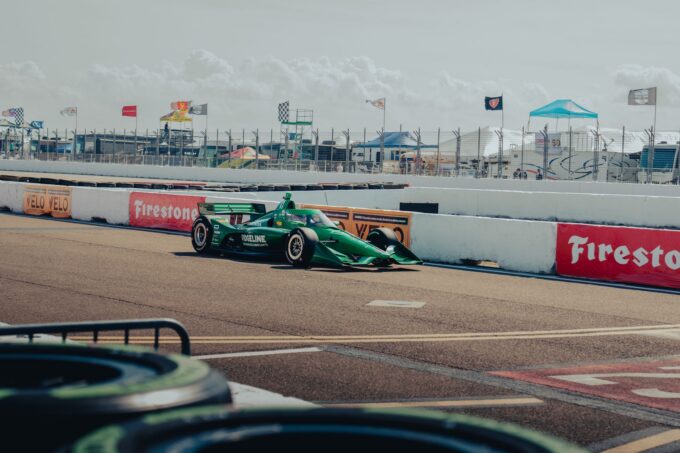
IndyCar Music City Grand Prix Commences Amidst Global Sporting Enthusiasm
The 2026 IndyCar Music City Grand Prix highlights Nashville's prominence in international...
1 Mins read

Toronto Blue Jays Consider Francisco Lindor Acquisition Amidst Trade Speculations
The potential trade for Francisco Lindor could reshape the competitive landscape of...
1 Mins read


Trump Secures Balogun’s Clearance as Yankees Face Downfall
Trump's intervention in Balogun's case highlights the intertwining of sports and politics,...
1 Mins read