
White House Requests OpenAI to Delay Next Model Release
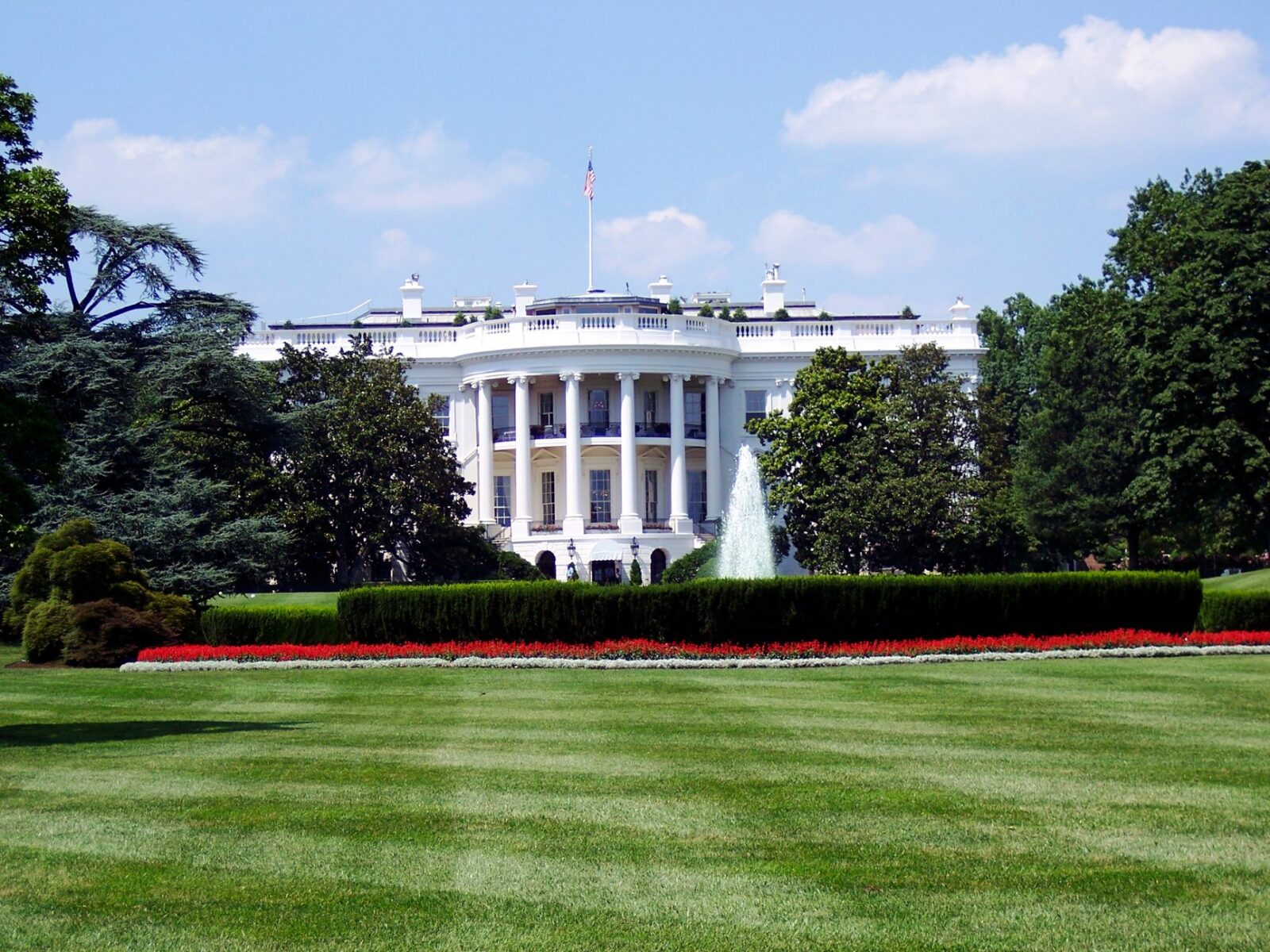
On June 25, 2026, the White House formally requested that OpenAI limit the release of its next artificial intelligence model. This unprecedented move underscores the increasing scrutiny surrounding AI technologies and their potential implications for society, economy, and national security.
The request comes amid a backdrop of rising global anxiety regarding the rapid advancement of AI systems and their capacity for both innovation and disruption. OpenAI, a key player in the AI landscape, has been at the forefront of developing cutting-edge technologies, including generative models that have shown remarkable capabilities in natural language processing and machine learning.
This request from the White House is significant not only because it highlights the U.S. government’s proactive stance on AI regulation but also because it reflects a broader international dialogue about the governance of emerging technologies. As countries grapple with the ethical implications of AI, the U.S. administration’s intervention may signal a shift towards stricter oversight, potentially influencing global regulatory frameworks. The move is particularly relevant given the recent discussions at international forums regarding AI safety, where leaders are increasingly recognizing the need for a collaborative approach to mitigate risks associated with AI.
Looking ahead, the implications of this request could be profound. OpenAI may need to reassess its development timelines and strategies, potentially delaying innovations that could have far-reaching effects on various sectors. Furthermore, this could set a precedent for future interactions between tech companies and governmental bodies, possibly leading to more stringent regulations that shape the landscape of AI development worldwide. As stakeholders await OpenAI’s response, the global community will be watching closely to see how this scenario unfolds and what it means for the future of artificial intelligence.
Source: CNN










‘Little House on the Prairie’ Sparks Family Reunification Across Generations
The enduring legacy of ‘Little House on the Prairie’ fosters familial bonds,...
 1 Mins read
Call for Unity in Political Discourse Amidst Rising Polarization
The call for unity underscores the global imperative to address division in...
1 Mins read

Bayern Munich Legends Reunite as MLS Match Cancellation Sparks Conversations
The reunion of Bayern Munich legends highlights the global impact of sports...
1 Mins read



Kelli Potter Faces Potential Seizure of Bank Accounts Amidst Substantial Debt
The financial troubles of reality TV star Kelli Potter highlight the broader...
1 Mins read