
White House’s UFC Freedom 250 Event Faces Uncertainty
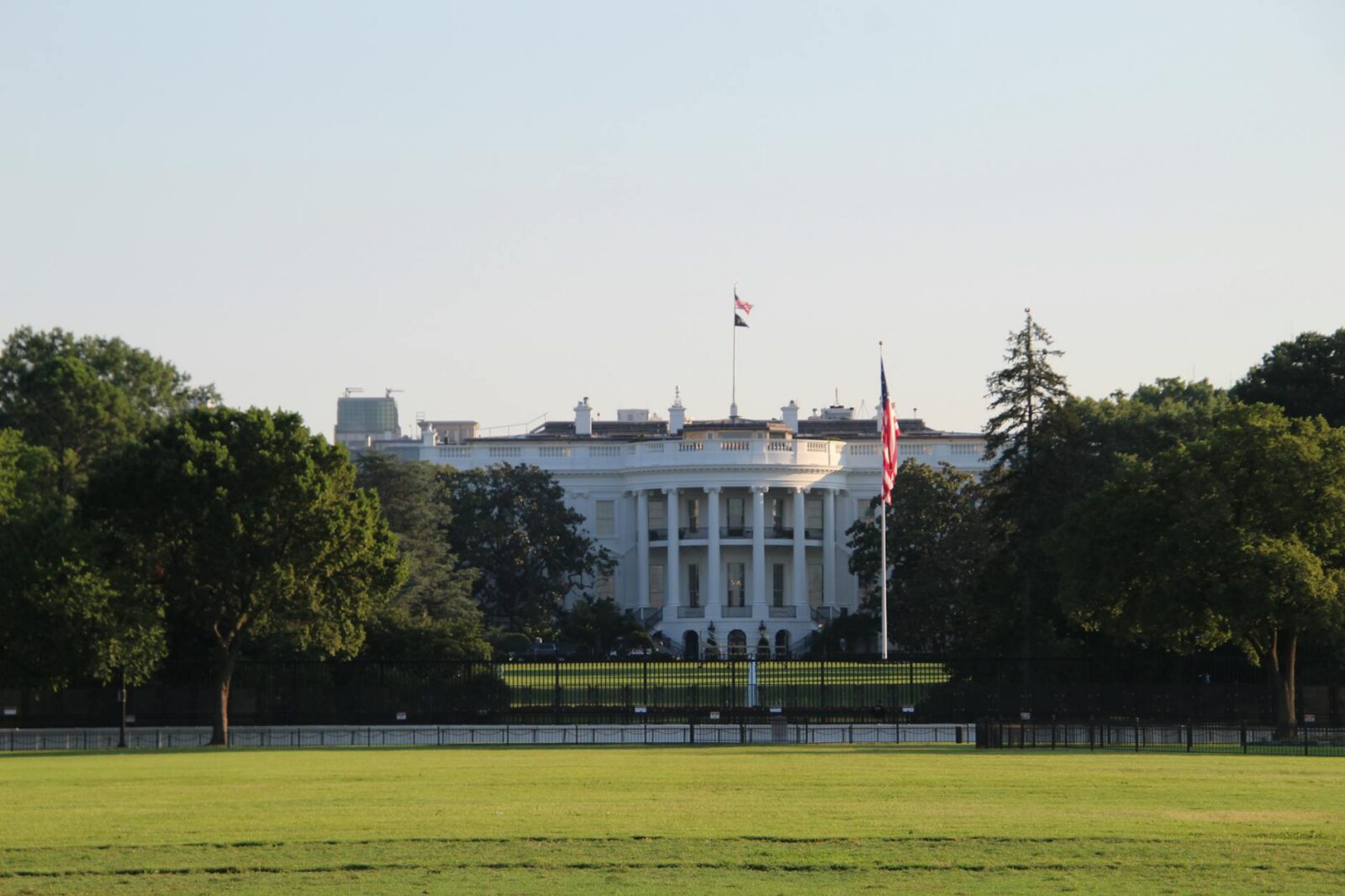
In a developing situation, the highly anticipated UFC Freedom 250 event, scheduled to be hosted by the White House, faces uncertainty as logistical and political challenges mount. The event, which aims to celebrate freedom and international unity through sports, has garnered attention not only for its athletic significance but also for its potential impact on diplomatic relations.
Organized by the White House in collaboration with the Ultimate Fighting Championship (UFC), the event is expected to draw global leaders and a diverse audience of sports enthusiasts. However, reports have emerged indicating that key sponsors are reconsidering their participation due to rising tensions in international relations, particularly between the United States and several of its allies. This has raised concerns about the viability of the event, which is set to take place on June 15, 2026.
The implications of this situation extend beyond the realm of sports. The UFC Freedom 250 was envisioned as a platform for fostering dialogue and cooperation among nations, and its potential cancellation could signal a retreat from using sports as a diplomatic tool. As nations grapple with complex geopolitical dynamics, the event’s fate may reflect broader trends in international cooperation and the role of cultural diplomacy.
Looking ahead, stakeholders, including the White House and UFC officials, are under pressure to navigate these challenges swiftly. Should the event proceed as planned, it could serve as a critical opportunity for diplomatic engagement. Conversely, a cancellation may prompt a reevaluation of how sports events are leveraged in the context of global politics, potentially affecting future initiatives aimed at promoting unity and understanding among nations.
Source: Northeastern Global News








White House Celebrates Hillary Clinton’s Birthday with Provocative Social Media Post
The White House's birthday message to Hillary Clinton underscores ongoing political tensions...
 1 Mins read
President Trump Reports $2.2 Billion Windfall in First Year of Second Term
Trump's substantial earnings from cryptocurrency raise significant questions about the intersection of...
1 Mins read
Trump Reports Over $1 Billion Earnings from Crypto Ventures Following White House Return
Trump's substantial crypto earnings raise questions about regulatory implications and market stability...
1 Mins read


Trump Intensifies Focus on Construction Projects Amid Political Landscape Shift
Trump's renewed emphasis on construction projects signals a significant shift in his...
1 Mins read
